DR’s political briefing Magtens Morgenbrief reported on August 13 that the Danish government has returned from summer recess facing two issues at once: migration pressure in North Africa and a loose wolf in West Jutland.
According to DR, both matters landed on the government’s desk within the first two weeks after the summer break. The public broadcaster’s briefing assesses how ministers and the opposition handled them.
DR reports that the wolf issue became politically acute after a wolf passed a bouncy castle at Restaurant Den Gyldne Pande. Minister Christian Rabjerg Madsen of the Social Democrats responded by deploying drones and cameras to catch the animal in Jutland.

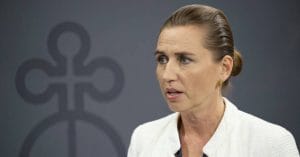
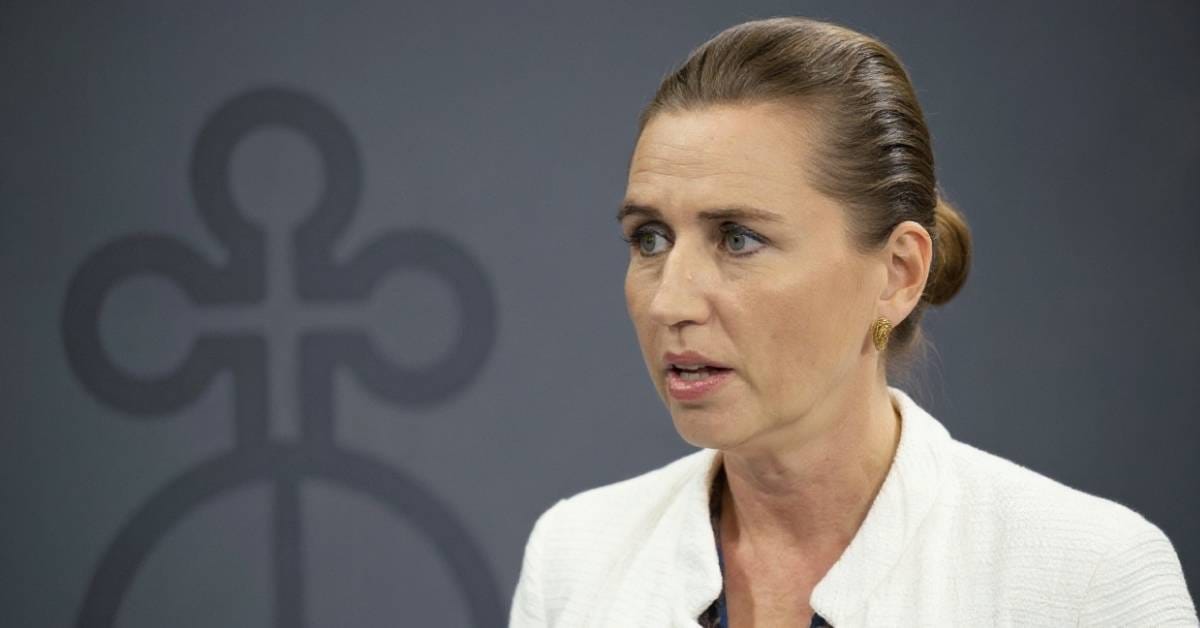
On migration, DR writes that tens of thousands of migrants swam into the EU, coming ashore in the Spanish enclave of Ceuta. Danish People’s Party leader Morten Messerschmidt turned the situation into a domestic political matter directed at Prime Minister Mette Frederiksen.
Per DR, Messerschmidt gathered the other opposition parties and called an urgent questioning session in the Folketinget for Wednesday of this week. That happened even though parliament remains closed for the summer. DR notes that most of the migrants have since been sent back by Spain.
Advisers assess the government’s response
Thomas Juul-Dam, a former adviser to Helle Thorning-Schmidt of the Social Democrats, told DR that a government meeting both a potential migration crisis and a loose wolf in its first two weeks back would rather have gone without. Jacob Bruun, a former adviser to Lars Løkke Rasmussen of the Moderates, disagreed that the wolf is a major problem, saying there are bigger issues to deal with.
As reported by DR, Juul-Dam considers it irrelevant whether the wolf is an actual problem. In his assessment, politicians react to the feelings surrounding the animal, which gives an experienced politician room to work.

Juul-Dam also said he was surprised the opposition did not press harder on the wolf case. He singled out Danmarksdemokraterne and Inger Støjberg, given how strongly the party defines itself as a voice for rural Denmark. In his view, the government can conclude that the first 14 days after the summer break went reasonably well.
DR writes that Danish People’s Party continues to rise in the polls. The briefing notes that Messerschmidt has repeatedly written the phrase “if I were prime minister,” and that Frederiksen has noticed.

Both Bruun and Juul-Dam are convinced Messerschmidt will not become prime minister after the next election, according to DR. They agree, however, that he functions as a useful opponent for Frederiksen, with Juul-Dam describing it as a dream situation for her. DR expects the two party leaders to clash through the coming political season, which will keep immigration high on the agenda.