Denmark’s powerful metalworkers’ union is urging municipalities to demand European technology in newly designated energy parks, warning that the green transition must not make Denmark dependent on authoritarian regimes for critical infrastructure control.
The Danish government just designated nine energy parks across six municipalities in Jutland. It’s a milestone for the country’s green transition and energy security. But for Dansk Metal, the union representing skilled industrial workers, the bigger question is who builds and controls the technology that will power Denmark’s future.
Emil Drevsfeldt Nielsen, the union’s business policy chief, told reporters this week that municipalities should require European produced technology in these new parks wherever possible. His reasoning is blunt. Denmark cannot replace dependence on Russian gas with dependence on technology and software controlled outside Europe.
The Strategic Autonomy Question
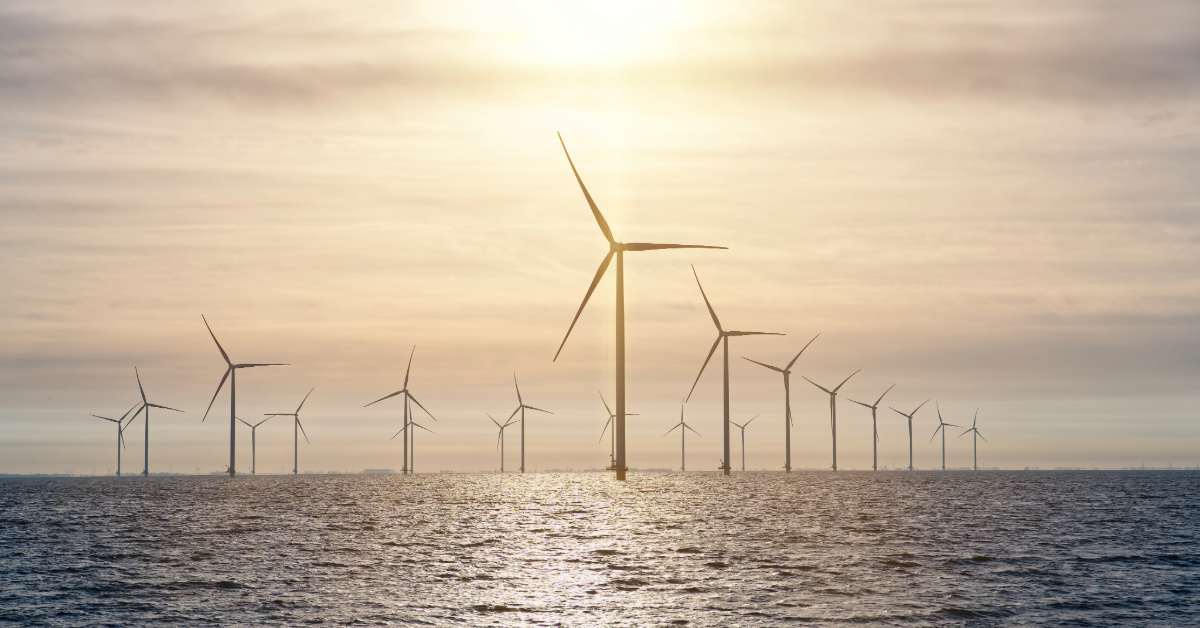
The nine parks will house wind turbines, solar arrays and Power to X facilities. Together they’re meant to boost Denmark’s renewable electricity output. Nielsen supports the parks but sees a strategic risk. When Denmark invests in critical energy infrastructure, he argues, authorities must think about who holds the digital on off switch.
It’s not paranoia. Europe learned the hard way with natural gas pipelines. Now the same lesson applies to wind turbines, inverters, control systems and maintenance contracts. If the software and components come from outside Europe, Denmark risks handing control of its energy supply to actors it cannot influence.

I’ve watched this debate evolve over the years I’ve lived here. Denmark talks a lot about green leadership. But leadership means more than installing capacity. It means asking who profits, who controls and who can shut things down if geopolitics turn ugly.
Local Jobs and Local Value
Dansk Metal also wants these investments to benefit Danish workers. The union is calling for the parks to create good jobs and apprenticeships. That means training the people who will build and maintain the energy system of the future.
It’s a fair demand. These projects receive significant public support through planning shortcuts and sometimes land access. A recent legislative framework makes it easier to realize large renewable projects by lowering barriers. The law requires each park to produce at least 100 GWh annually. That’s big scale energy infrastructure, not backyard solar.
But the legislative push for speed also creates friction. Environmental groups and local residents worry that protected nature gets trampled. Municipalities worry about losing influence. And unions like Dansk Metal worry that all the heavy lifting gets done by foreign contractors while Denmark just provides the land.

European Energy, a major developer, has argued that municipalities contributing land and support should be rewarded financially. Dansk Metal’s position is different but complementary. If communities give up land and accept disruption, they should at least see jobs and economic activity stay local or regional.
Can Municipalities Actually Demand European Tech?
Here’s the catch. Denmark is bound by EU internal market rules and procurement law. Municipalities cannot simply write “only European suppliers” into contracts without risking legal challenge. Public tenders must be open, competitive and justified by objective criteria.
That doesn’t mean Nielsen’s demand is pointless. It means the ask has to be reframed. Municipalities can set requirements around cybersecurity, data sovereignty, service response times and supply chain resilience. Those criteria can favor European suppliers without explicitly discriminating by origin.
The question is whether Danish municipalities have the legal expertise and political will to write those requirements into energy park agreements. My sense, after years here, is that most don’t. They lack the bandwidth and the legal firepower to go up against large international developers.

The Dansk Metal statement is therefore partly a political signal. It’s aimed at the national government, at industry and at the municipalities themselves. It says: don’t just green wash this. Think about who profits and who controls.
Energy Parks as Conflict Zones
Energy parks are not just technical projects. They are battlegrounds for competing interests. Nature protection versus climate action. Local autonomy versus national targets. Danish jobs versus global supply chains.
The government wants speed. EU targets demand that more than 80 percent of electricity come from renewables by 2050. Denmark is already ahead of most countries, but electrification of transport and industry will push demand much higher. That’s why the state is using its planning power to push projects through faster than normal.

But speed without strategy creates resentment. If energy parks become symbols of foreign profit and local disruption, political support for the green transition weakens. Dansk Metal understands this. That’s why it frames European technology as both a security issue and a jobs issue.
Whether municipalities listen remains to be seen. But the union has put the question on the table. And in a country that prides itself on stakeholder dialogue, that question won’t go away quietly.
Sources and References
Ritzau: Dansk Metal: Kommunerne bør stille krav om europæisk teknologi i nye energiparker
The Danish Dream: Danish W4 Reports Novo Nordisk and Vestas Surge
The Danish Dream: Hans Christian Ørsted Danish Scientist
The Danish Dream: Ørstedsparken A Historic Oasis of Tranquility and Culture in Copenhagen’s Heart