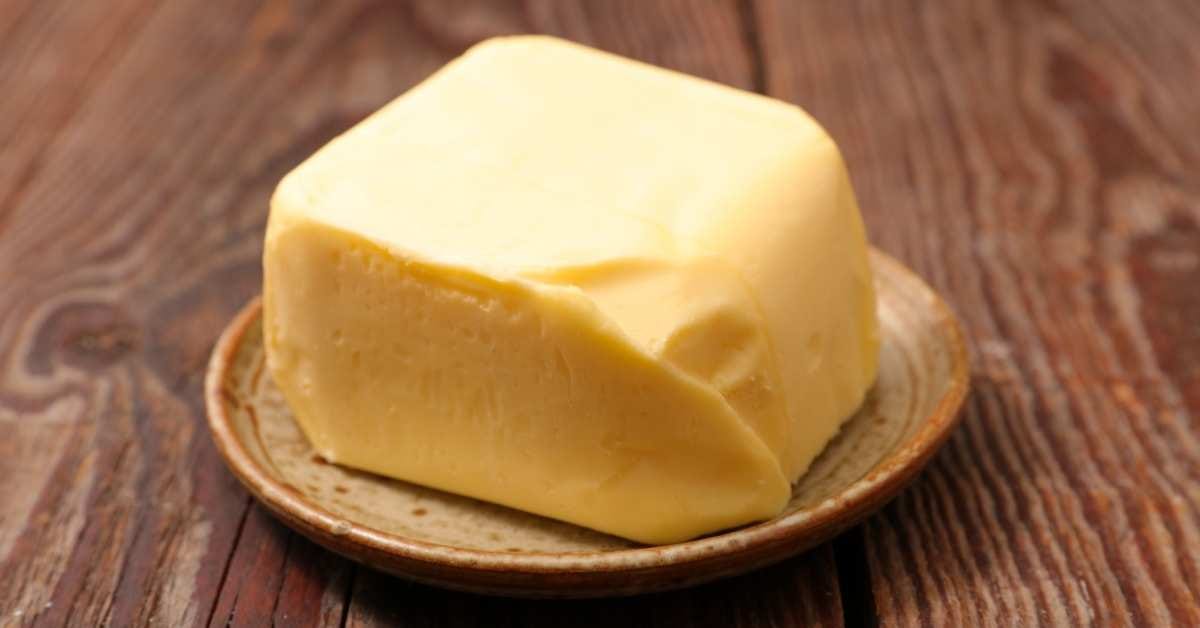
Butter sales are booming in Denmark this holiday season as falling prices send demand soaring and production into overdrive at Arla’s Holstebro dairy plant.
Butter Demand Surges Ahead of Christmas
Christmas time is usually about family traditions and cozy food, but this year it is also turning out to be the season of butter. Prices have dropped sharply across Danish supermarkets, which has made consumers eager to stock up. Normally a 200-gram pack of butter costs around 30 kroner, but right now prices are as low as six kroner.
That steep discount has created a buying rush, leaving supermarket shelves empty almost as quickly as they are refilled. Major Danish stores, including those found in the list of best grocery stores in Denmark for foreigners, have reported a sharp rise in butter sales over the past few weeks.
Meanwhile, Arla Foods, Denmark’s largest dairy company, is running its Holstebro plant at maximum capacity to meet this spike in demand.

Production Doubles to Keep Up With Shoppers
At Arla’s Holstebro butter plant, production lines are working nonstop. The company now produces roughly double its usual volume. Workers are packaging and shipping what amounts to one full pallet of butter every minute, which equals about 4,000 packs of 200 grams each.
This seasonal rush is nothing new for the dairy giant, but the scale this year stands out. Because of the lower prices, both retailers and customers are ordering more, making it a key production period for Arla.
Behind the Surge in Butter Supply
Several factors explain how Arla can keep up. The cooperative is currently receiving more milk than normal from its farmers, giving it extra raw material to process. At the same time, company management decided to use those raw materials differently. In previous years, surplus butter often went to professional kitchens and bulk buyers. This winter, more of that butter is being rerouted to standard retail packaging, the kind found in everyday households.
This strategic adjustment ensures that more consumers can take advantage of the falling prices during the holiday season, keeping up with their baking and cooking needs.
Why Butter Prices Dropped
Butter is one of Denmark’s most consumed dairy products, but its price can fluctuate with global milk and energy markets. Over the past few months, raw milk prices dropped, and many European producers increased supply. That combination brought down retail prices across Danish stores.
In some ways, the timing could not be better. As families prepare for traditional Christmas dishes and cookies, butter use rises noticeably. Lower prices have made it easier for households to stock up without overspending.
Even though Arla is experiencing intense pressure on production, its strong position in the market gives it flexibility. The company has invested in efficient packaging lines and logistics at its Holstebro facility, allowing it to handle short-term surges like this one.

What This Means for Consumers and Farmers
For shoppers, the fall in butter prices feels like a small holiday bonus. Many Danish families are turning back to their preferred brands instead of cheaper alternatives. For dairy farmers, the story is more complex. Although high production volumes help keep supply chains busy, lower retail prices can pressure the value of milk deliveries in the long run.
Because of that, the situation is being closely watched within the dairy sector. So far, the increased sales volume seems to balance out the lower margins, helping companies like Arla Foods maintain profitability through the busy end-of-year period.
Sources and References
The Danish Dream: Arla Foods Report Strong Profits Amid Price Surge
The Danish Dream: Best Grocery Stores in Denmark for Foreigners
DR: Smørproduktion på højtryk: Arla mærker stigende efterspørgsel