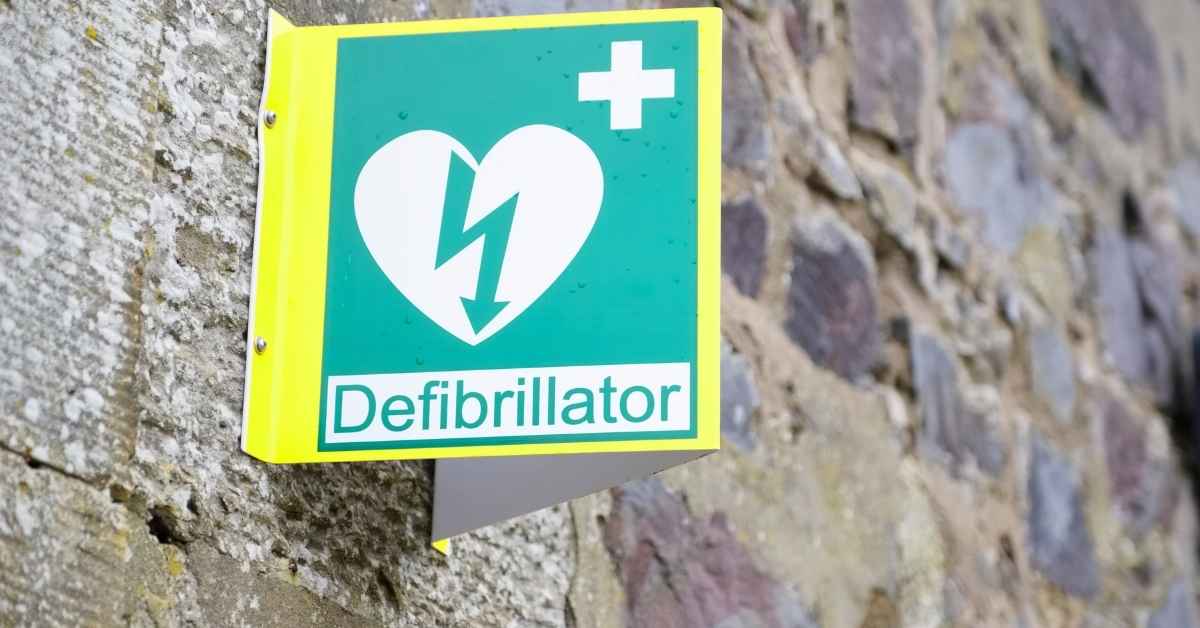
Researchers in Denmark have developed a new algorithm that identifies optimal locations for defibrillators, revealing that many residential areas lack life-saving equipment. The tool could help improve survival rates from cardiac arrests, which affect over 5,000 Danes outside hospitals each year.
New Technology Pinpoints Gaps in Defibrillator Coverage
A new algorithm is helping Danish researchers and authorities identify where more publicly accessible defibrillators are needed across the country. Developed as part of the Danish Heart Foundation’s research project NordStart, the technology analyzes past cardiac arrest data, population density, and the distance to existing defibrillators.
The goal is to maximize coverage and save lives during cardiac arrests, which can strike suddenly and often happen at home. Researchers from Aalborg University Hospital used the algorithm to determine three key locations in each of Denmark’s 98 municipalities where an additional defibrillator could make a significant difference.
According to the analysis, many residential neighborhoods – especially suburban streets – lack sufficient access to defibrillators, even when situated near hospitals or commercial districts. For instance, Buderupvej in Herlev, located only a short walk from Herlev Hospital, was identified as a site with a critical need for a defibrillator, despite several already existing nearby.
Coverage Deficit in Homes and Suburban Neighborhoods
Every year, more than 5,000 people in Denmark experience sudden cardiac arrest outside of hospitals, which equates to about 14 people per day. Alarmingly, nearly 75% of these incidents occur in private homes. This poses a major challenge since response time is critical in such situations. Medical experts emphasize that if a defibrillator is not used within 10 minutes, the chances of survival drop dramatically.
Data suggest that defibrillators are currently concentrated in central urban areas, workplaces, and public squares, but not necessarily where people live. The algorithm flags neighborhoods like Gyngemosevej in Gladsaxe, the area surrounding Amager Theater in Tårnby, and Merianhaven in Hvalsø, Lejre as high-priority zones for installing new units.
Greater Public Awareness and Infrastructure Needed
The new findings reveal a mismatch between defibrillator locations and actual need, suggesting that local governments and health agencies should rethink placement strategies. While there are already over 25,000 defibrillators installed across Denmark and many of them are registered on national platforms like hjertestarter.dk, their effectiveness largely depends on accessibility and proximity.
The Danish Council for Resuscitation has welcomed the findings, noting that residential areas remain under-prioritized despite accounting for the majority of cardiac incidents. Installing more defibrillators in family housing areas and suburban streets, where elderly residents are more prevalent, could substantially raise the chance of survival.
A Call for Targeted Action
The algorithm’s core strength lies in its data-driven approach, which enables more precise resource allocation than earlier blanket policies. Instead of relying on assumptions or placing units in high-profile locations, the tool aligns deployment with actual historical data and community risk levels.
Public health organizations are now urging municipalities to act on the recommendations and involve local communities in implementation. Setting up new defibrillators on quiet residential streets and increasing public education on how to use them could vastly improve emergency responses across Denmark.
Efforts are also underway to secure funding, encourage local business sponsorships, and integrate the algorithm into regional health strategies. The hope is that similar models can be adopted internationally to improve outcomes in cases of sudden cardiac arrest. With each additional defibrillator strategically placed, more lives can potentially be saved in those critical first few minutes.