Denmark releases the equivalent of 113 tanker trucks full of untreated sewage into its waters every hour, new national figures show, challenging the country’s carefully cultivated green image and raising health concerns for residents who swim, fish or live near the coast.
The numbers are stark. Over the course of a year, roughly one million fully loaded tanker trucks worth of raw sewage flows into Danish rivers, fjords and coastal waters. That discharge carries 339 tonnes of nitrogen along with a cocktail of pharmaceuticals, hormones, heavy metals and microplastics. For anyone who moved here expecting Scandinavian environmental standards to be bulletproof, these figures land hard.
I have watched Denmark present itself internationally as a climate leader while its aging sewer systems routinely dump untreated wastewater into the same beaches where families swim in summer. The disconnect is real and it is growing.
Why Denmark Still Spills Sewage
Most Danish cities inherited combined sewer systems from the late 19th and early 20th centuries. Rainwater and household sewage share the same pipes. When heavy rain hits, the system overflows to prevent sewage backing up into homes and hospitals. The wastewater goes straight into nature instead.
Utilities and municipalities argue these overflows are unavoidable without massive infrastructure overhauls. Separating rainwater from sewage across entire cities costs billions of kroner and takes decades. Water bills would spike immediately if regulators demanded an overnight fix.
What Actually Flows Into the Water
This is not just dirty water. According to Danmarks Naturfredningsforening, 98 percent of Danish water bodies are contaminated with at least one harmful substance above official safety limits. Sewage brings organic matter, pathogens, nitrogen and phosphorus that fuel algal blooms and choke marine life.
It also introduces substances agriculture does not. Medicines, antibiotics, hormone disruptors and PFAS flow daily into lakes and fjords through wastewater systems. As noted by the environmental initiative Rent Hav, these pollutants represent a daily environmental catastrophe that contradicts everything Denmark claims about itself abroad.
For expats, the practical risk is immediate. Temporary bathing bans pop up after cloudbursts in Copenhagen, Aarhus, Odense and Aalborg. Warnings are often issued first in Danish, leaving international residents scrambling to check municipal websites for updates on water quality. Families with small children face uncertainty about when it is safe to swim.
Climate Change Makes It Worse
Denmark now faces more extreme rainfall due to climate change. That means more overflow events and more frequent contamination of coastal waters. Municipalities are under pressure to publish real time data on sewage spills and accelerate upgrades, but many warn that full fixes will take years they do not have.
Danish Regions has publicly stated that clean drinking water is no longer a given. Groundwater sources face contamination from pesticides, solvents and PFAS, some linked to wastewater pathways. The infrastructure built for a different climate is failing under current conditions.
What You Can Do
Check your municipality’s website before heading to the beach. Look for the Danish terms badevandskvalitet and badeforbud to find bathing quality reports and temporary bans. Most municipal sites update this information but rarely in English.
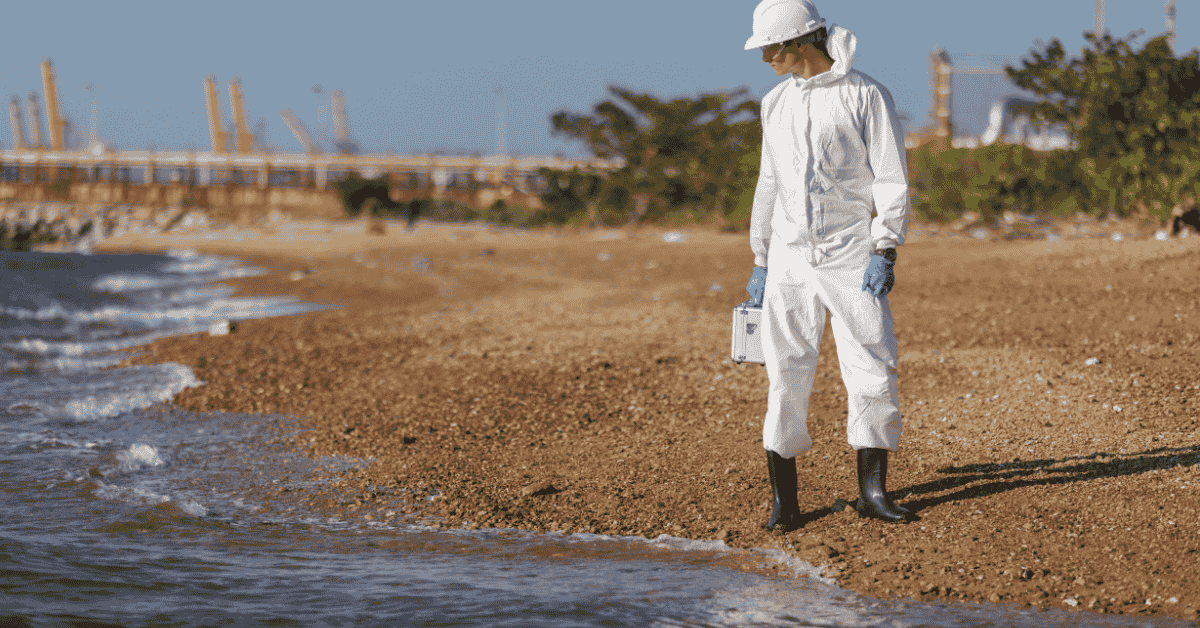
If floodwater or sewage contamination reaches your home or garden, Danish health authorities are clear. Do not let it touch your skin, eyes or mouth. Use rubber boots, long gloves, masks and goggles during cleanup. Wash clothes at 80 degrees Celsius or discard them. Throw away any vegetables or herbs that contacted sewage.
Attend local climate adaptation hearings where municipalities discuss sewer upgrades and spildevandsplan investments. Expat voices are legally equal here but almost never heard. That absence shapes decisions that affect everyone who lives near water in Denmark.
Environmental groups are demanding stricter legal caps on overflows, better monitoring and faster infrastructure investment. They argue the current level of discharge is systemic, not exceptional. I agree. After years here, I have learned that Denmark’s green reputation often relies on what is not discussed rather than what is achieved.