Denmark’s Ministry for Societal Security and Preparedness will deliver an updated printed crisis-advice leaflet to 3.2 million households in December, with a new section aimed at vulnerable people.
The ministry announced the plan in a press release on Saturday, November 28. As Kristeligt Dagblad reports, citing the Ritzau news agency, printed copies will reach 3.2 million Danish households before New Year.
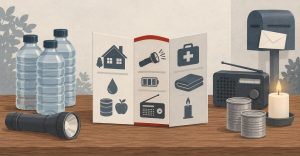
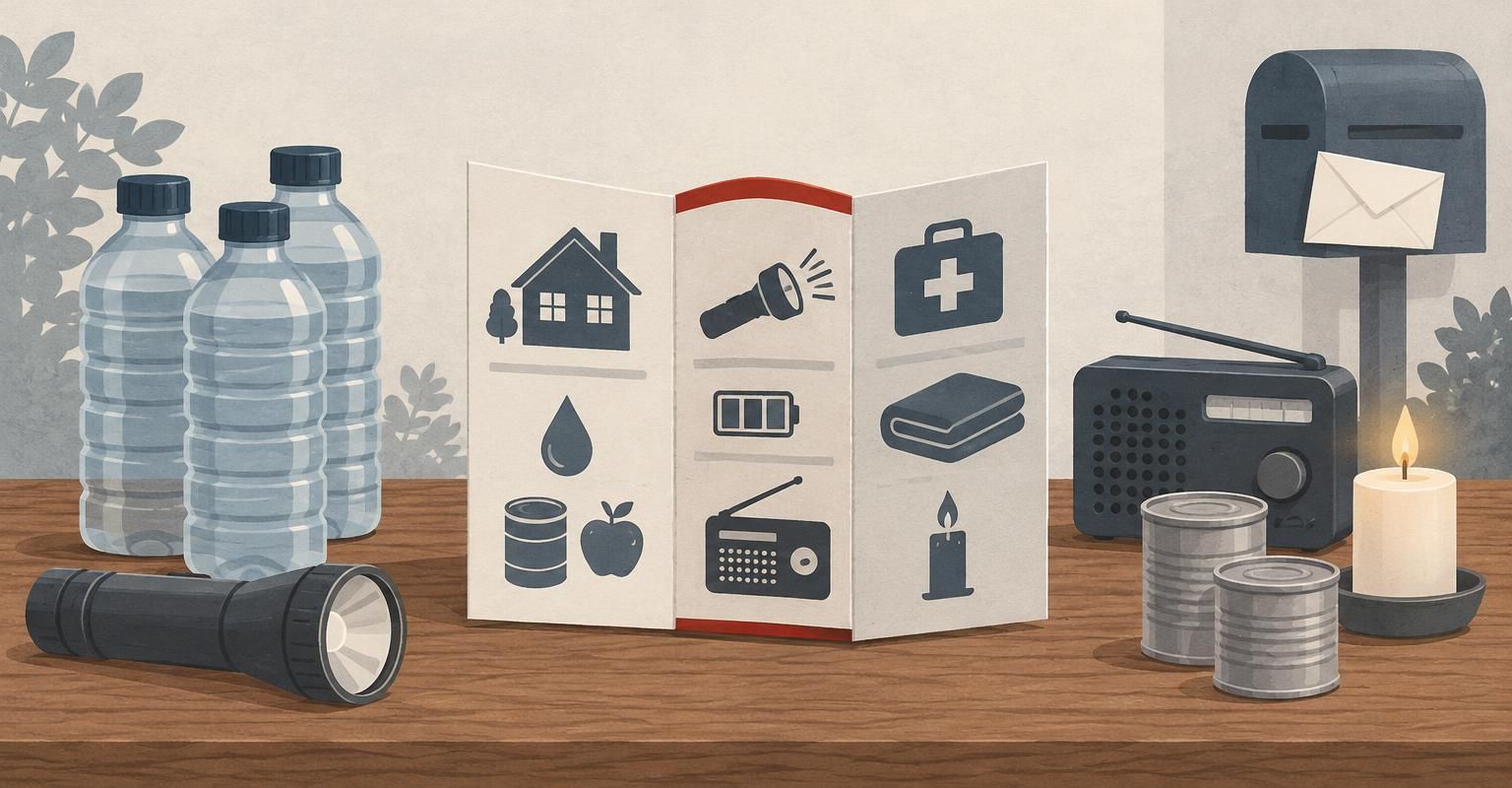
The leaflet first appeared in 2024. It advises households to keep enough food, water and medicine to manage for three days. The stated aim is to cover crisis situations triggered by storms or cyberattacks.
What the updated leaflet adds
The ministry declined on Saturday to say what the full updated leaflet will look like. It did confirm that the new edition contains a section directed at the most vulnerable in society, per Kristeligt Dagblad.
That section recommends preparing a list with contact details for relatives and helpers. It also recommends an updated list of medication and information about any assistive devices. The same detail is repeated in the wire reprint published by Beloud.
Minister for Societal Security and Preparedness Lisbeth Bech-Nielsen of the Socialist People’s Party, SF, said in the press release that the recommendations are adjusted when the threat level rises. She said the advice should reach as many people as possible, and not least vulnerable groups in society. That, she said, is why the leaflet is being delivered to households in December.
Why the leaflet is printed this time
According to the ministry, the recommendations are being updated at a time when Danish and European authorities have seen the cyber threat grow. The 2024 edition was sent digitally instead of on paper. Beredskabsstyrelsen director Laila Reenberg said at the time that digital post had been judged the best and cheapest option.
That choice drew criticism from the organization Ældre Sagen, which called the ordinary letterbox a lifeline for thousands of Danes. To reach that group, 300,000 leaflets were distributed to Danish libraries. Reporting from 2024 carried by Sn.dk confirmed that figure. Ritzau asked the ministry what household delivery of the printed leaflet will cost, and the ministry did not answer.
What the printed leaflet means for internationals in Denmark
Most official mail in Denmark arrives in Digital Post, reached through borger.dk or e-Boks with MitID. This leaflet works differently, because it is delivered as physical mail to the home address. That means it should arrive regardless of your Digital Post status, as long as your address is registered in the CPR system.
The leaflet is a national information campaign, not a legal obligation, and the ministry has not said whether any version will be issued in languages other than Danish. The practical advice it contains, three days of food, water and medicine, applies to every household in the country. If a storm or a cyberattack disrupts supply, the same three-day buffer is what the authorities recommend for people who have lived here for decades and for people who arrived last month. Readers planning a stock of medicine should note that prescription rules in Denmark are handled through your GP and pharmacies.
The new vulnerable-groups section is relevant to anyone whose support network in Denmark is thin. The recommended contact list covers relatives and helpers, which for many internationals means neighbors, colleagues or employers rather than family in the country. The ministry has published the existing household checklist on samsik.dk, and has not confirmed how the updated version will be made available online alongside the printed mailing.