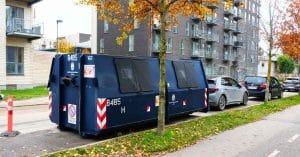
Poor waste sorting in Denmark is creating dangerous situations. Lithium batteries often end up in the wrong bins, leading to fires, costly cleanups, and safety risks across recycling stations.
Improper Sorting Causes Fire Hazards
Recycling centers across Denmark are raising alarms after a string of dangerous incidents involving lithium batteries. These batteries, used in everything from electric bikes to toothbrushes, are often thrown away incorrectly. When they end up in regular metal waste or mixed recyclables, the results can be explosive—literally.
Workers at AffaldPlus, one of Denmark’s major recycling companies, have seen the problem firsthand. The issue stems from batteries being mixed with other waste materials, where they can spark or overheat unnoticed. Because of the huge amount of scrap metal received each day, employees often have no chance to identify a hidden battery before it causes trouble.

Costly Mistakes at Recycling Centers
The company’s containers are sent to Stena Recycling for fine sorting. There, misplaced batteries are frequently discovered. Each mis-sorted shipment is rejected, costing AffaldPlus significant sums. A single rejected load can cost around a thousand kroner, and multiple incidents per month add up quickly.
While some mistakes may come from carelessness, others seem tied to misunderstanding. Some Danes toss their used batteries into the metal section simply because it seems convenient. Others just do not realize the safety risks this creates. Either way, the result is the same—added danger and extra expenses for recycling operators.
Despite the challenges, the majority of citizens are doing their best to sort correctly. Staff at AffaldPlus note that most people are genuinely trying to follow guidelines. Still, even a few errors can have serious consequences.

When Batteries Spark Disaster
One of the most striking examples occurred in 2024, when a cargo ship named Rix Munte caught fire while being loaded with metal and plastic scrap at Køge Harbor. Investigators later discovered that a single lithium battery thrown into the metal pile had triggered the blaze. The incident brought national attention to the hazards of improper disposal.
Lithium batteries are known for their high energy density. When damaged or short-circuited, they can overheat rapidly, causing fires that spread within seconds. The problem is not isolated. Garbage workers and recycling staff across the country have reported smaller fires caused by hidden batteries mixed among other waste. Similar concerns have been raised by garbage collectors struggling with fire risks in household trash processing.
Campaigns to Improve Recycling Habits
Following the harbor fire, AffaldPlus launched a dedicated campaign to remind the public to remove batteries from devices before disposal. For three months, the company used local media, including social media, to spread awareness. The campaign focused on practical steps like separating batteries before dropping off electronics and using marked battery containers at recycling stations.
The results were encouraging. Reports from the company show a drop in the number of rejected shipments at Stena Recycling. Staff believe that the combination of increased awareness and guidance from on-site recycling advisors is making a difference.
Still, experts warn that the underlying problem remains. As the use of rechargeable products increases, so does the amount of battery waste. Keeping pace with that growth will require continued education, clear labeling, and better collection methods. Denmark’s success in sustainable waste management depends on improving sorting habits, not only for environmental reasons but also for public safety.

Looking Ahead
In the end, small decisions by individuals can have big impacts. A single forgotten battery can spark a costly accident. As Danish waste authorities emphasize, responsible disposal is not just about recycling efficiency. It is about preventing fires, protecting workers, and maintaining public trust in the country’s waste management system.
Efforts from organizations like AffaldPlus show progress, but the fight against poor sorting is far from over. With the right habits and continued education, Denmark can avoid dangerous consequences and keep recycling centers safe for everyone.
Sources and References
The Danish Dream: Danish Garbage Collectors Under Pressure
The Danish Dream: Energy Electricity in Denmark for Foreigners
TV2: Advarer om farlige konsekvenser ved danskeres dårlige affaldssortering