One of Denmark’s largest transport companies faces serious accusations of dumping construction waste and polluted soil on farmland in northern Zealand. The company denies the allegations, saying it has nothing to gain from illegal dumping.
Dumping Waste on Agricultural Land
A major Danish transport operator, SCT Transport, has been accused of unloading truckloads of contaminated soil and construction debris on fields near Esromgaard Estate in Gribskov Municipality. The claims surfaced through anonymous testimonies from former employees, who spoke to the investigative program *Operation X*.
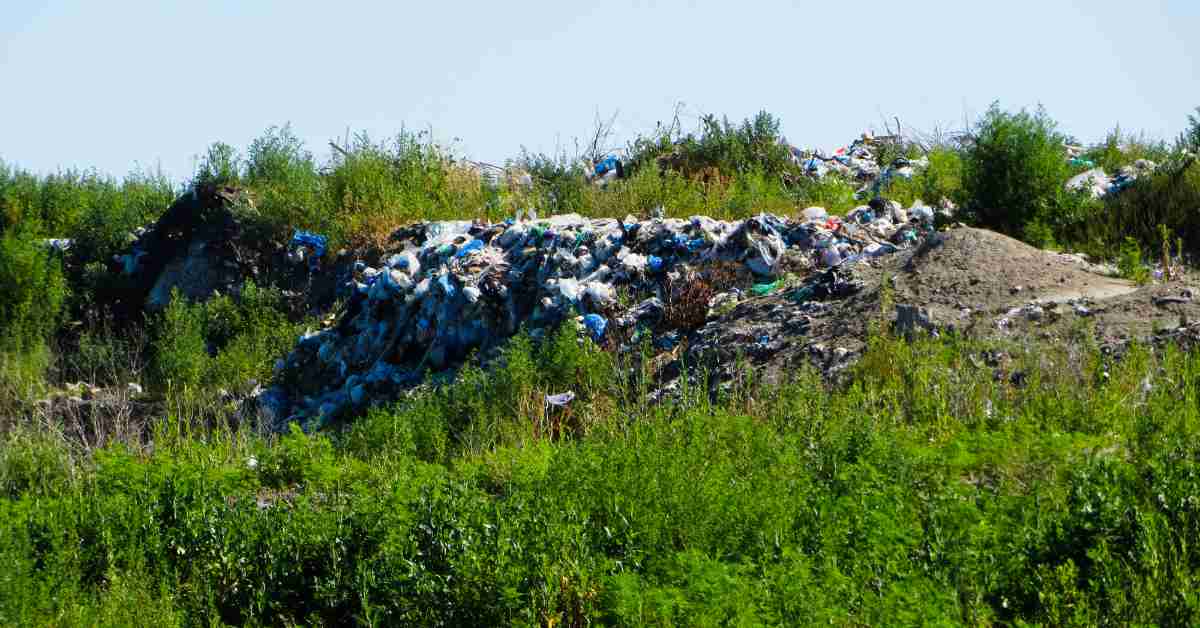
TV 2’s investigation found visible construction waste on the farmland, including bricks, pipes, and ceramic materials. Engineering experts confirmed that such materials should never be present in agricultural soil. According to one expert, construction waste could indicate that what appears as farmland soil might be polluted or originate from urban areas.
Municipal Reaction and Environmental Concerns
Gribskov Municipality has since launched an official investigation into the site to determine the extent of contamination. Only clean soil, known as “class 0 soil,” is legally allowed for use in leveling or agricultural projects. The municipality took action after a previous episode of *Operation X* revealed similar cases involving the illegal movement of polluted soil across Denmark.
Such cases raise growing public concerns about pollution, groundwater safety, and compliance with environmental protection laws, including those related to groundwater preservation.
Environmental specialists warn that exposure to contaminated soil can pose health risks. Pollutants like metals and tar residues, often found in urban or construction waste, can be harmful if ingested or absorbed through long-term exposure. Crops grown in polluted soil could also carry potential toxins if not properly cleaned before consumption.
Previous Conviction for Environmental Violations
SCT is not new to controversy. In 2021, the company was convicted for illegally dumping 788 tons of contaminated soil and construction waste in the protected nature area Hellebæk Kohave near Helsingør. The court stated that SCT repeatedly broke environmental rules and gained financial advantage through its actions. The firm’s director admitted that some of the soil had been toxic, but argued that it was the result of a single worker’s mistake rather than deliberate wrongdoing.
Despite a fine imposed at the time, experts note that such penalties are small compared to the economic gains these illegal practices can create. The case has reignited debate over whether penalties in Denmark effectively deter violations of environmental law.
Company Denies Wrongdoing
SCT maintains that all its operations comply with regulations. Company leaders insist that if any contaminated materials were deposited in the Esromgaard fields, they were unaware of it and that quality checks ensure visible debris is rejected before any soil is delivered. They stress that “dumping” polluted soil would make no financial sense since payment depends on proof of proper delivery.
Several former drivers, however, have contradicted this account, claiming that oversight was minimal and that they occasionally transported soil emitting strong chemical odors. One former dispatcher alleged that the company profited by redirecting soil away from licensed treatment facilities to cheaper or uncontrolled sites.
The company’s environmental director rejected all such claims, calling them false and harmful to SCT’s reputation. He also stated that internal policies enforce zero tolerance for unethical behavior and that employees who breach environmental or company rules face dismissal.
Landowner and Legal Dispute
The land at Esromgaard belongs to estate owner Carl Frederik Bruun, who said he was unaware of any contaminated soil being deposited. The municipality has ordered him to pay for a more detailed environmental analysis of the land, but he has appealed that decision to Denmark’s Environmental and Food Appeals Board. The board is expected to make a ruling in mid-2026.
Until that time, farming at the site is still permitted, and rapeseed grown for biodiesel production continues to be cultivated on the field.
Broader Context
These revelations come after multiple Danish media investigations uncovered illegal handling of contaminated waste by several construction and transport firms. Public authorities have struggled to keep pace with the problem due to limited inspection capacity. Environmental advocates warn that unless stricter enforcement and higher fines are imposed, illegal dumping may continue to threaten ecosystems and public health across Denmark.
The same environmental concerns that drive policy shifts—such as Denmark’s recent ban on PFAS pesticides—are now being tested by the reality of industrial waste management.
Sources and References
The Danish Dream: Denmark bans PFAS pesticides to protect groundwater
TV2: Transportgigant beskyldes for at læsse byggeaffald af på marker