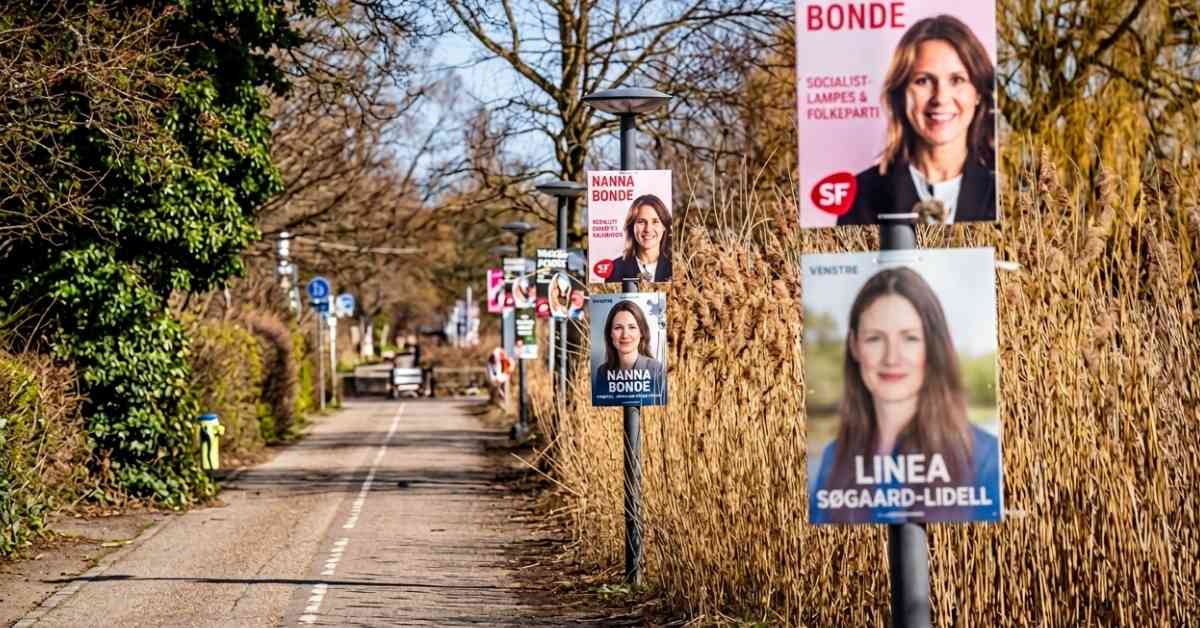
Denmark’s new parliament has dropped to an average age of 43.9 years, the lowest in the country’s history, after a wave of young candidates won seats in this week’s election. Among women in the Folketing, the average age is just 41.5 years, as several veteran politicians lost their mandates to candidates in their twenties.
The numbers tell a story of generational change. Sofie Therese Svendsen, a 23-year-old Conservative from North Jutland, became the youngest member of parliament after defeating 60-year-old party veteran Per Larsen. Liberal Alliance’s Ole Birk Olesen, a senior figure in his party, was outpolled by 26-year-old Mads Strange in Copenhagen, though both secured seats. More than 100 candidates under 30 ran in the election across all parties and constituencies, according to Dansk Ungdoms Fællesråd.
I have covered enough Danish elections to know that youth engagement usually peaks in rhetoric and fades in results. This time feels different. The traditional gatekeepers lost control.
Social Media Rewrote the Rules
Younger candidates dominated platforms like Instagram and TikTok in ways their older competitors could not match. Søren Schultz Hansen, a business researcher and lecturer at CBS who followed first and second-time voters through the campaign, said the difference was obvious. Older politicians tried to act young on social media and failed. Younger candidates simply were young, speaking at eye level with voters their own age.
The ban on paid political advertising on Facebook and Instagram shifted the playing field. Parties could no longer buy visibility. They had to earn it through authentic engagement. That gave a home advantage to candidates who grew up with these platforms. Mathilde Hjort Bressum, a newly elected Venstre MP, told TV2 she used Instagram heavily throughout her campaign alongside traditional Facebook posts. It was a way to spread her message without the constraints of paid promotion.
Karina Kosiara-Pedersen, a lecturer at the University of Copenhagen’s political science department, pointed to another factor. Young candidates often championed issues that resonated with younger voters. Even in parties not known for strong climate positions, younger faces offered fresher profiles than their older colleagues. This mattered in an election where Denmark’s political landscape underwent a historic realignment.
Fresh Blood, Old Institutions
Bressum said she wants to push Venstre in a more progressive direction on gender equality and climate. She described her party as weighed down by strong traditions and perhaps too much responsibility. Young members like her could shake things up. Whether Venstre’s leadership will welcome that disruption remains to be seen. Parties that just suffered catastrophic losses tend to resist change as much as they demand it.
Svendsen admitted she has big shoes to fill after ousting Larsen, who she said had done outstanding work. But she used social media differently, and it paid off. The question now is whether these new MPs can translate digital fluency into legislative effectiveness. Knowing how to craft a viral post is not the same as negotiating budget compromises or building coalition support.
More Women, Younger Women
The election also delivered a record for gender representation. Women now hold 48 percent of seats in parliament, the closest Denmark has ever come to parity. The average age among female MPs dropped to 41.5 years, pulling the overall parliamentary average down with it.
Kosiara-Pedersen noted that voters often prefer candidates who reflect their own identity. Women frequently vote for women. Younger voters likely gravitate toward younger candidates. This is not just about policy positions. It is about seeing yourself represented in the system. When parliaments skew older and male, entire demographics feel disconnected from the political process. This shift may narrow that gap, at least temporarily.
What Happens Next
The challenge for these young MPs will be converting momentum into influence. Danish politics rewards seniority and coalition-building skills. Committees and negotiations are where real power lives, and those spaces tend to favor experience over energy. Some of these new members will adapt quickly. Others will struggle against institutional inertia.
The youth surge also raises questions about what comes after. Will this generation stay engaged in politics, or will they burn out after one term? Denmark has seen waves of renewal before, only to watch the system revert to type. The difference this time may be structural. Social media is not going away. The ban on paid ads remains in place. That keeps the advantage with candidates who understand these platforms natively.
Svendsen said she has butterflies in her stomach about her first day in parliament. She should. The job is harder than the campaign, and the scrutiny is relentless. But if she and her peers can hold their ground, they may shift Danish politics in ways that outlast their individual tenures.
Sources and References
The Danish Dream: Denmark’s Political Earthquake: Historic Coalition Collapses Overnight
The Danish Dream: Messerschmidt Crushes Frederiksen in Stunning Vote Landslide
The Danish Dream: Venstre’s Catastrophic Collapse: Worst Result in 40 Years
TV2: Unge stormer ind i Folketinget
DUF: Her er de unge kandidater til folketingsvalget 2026