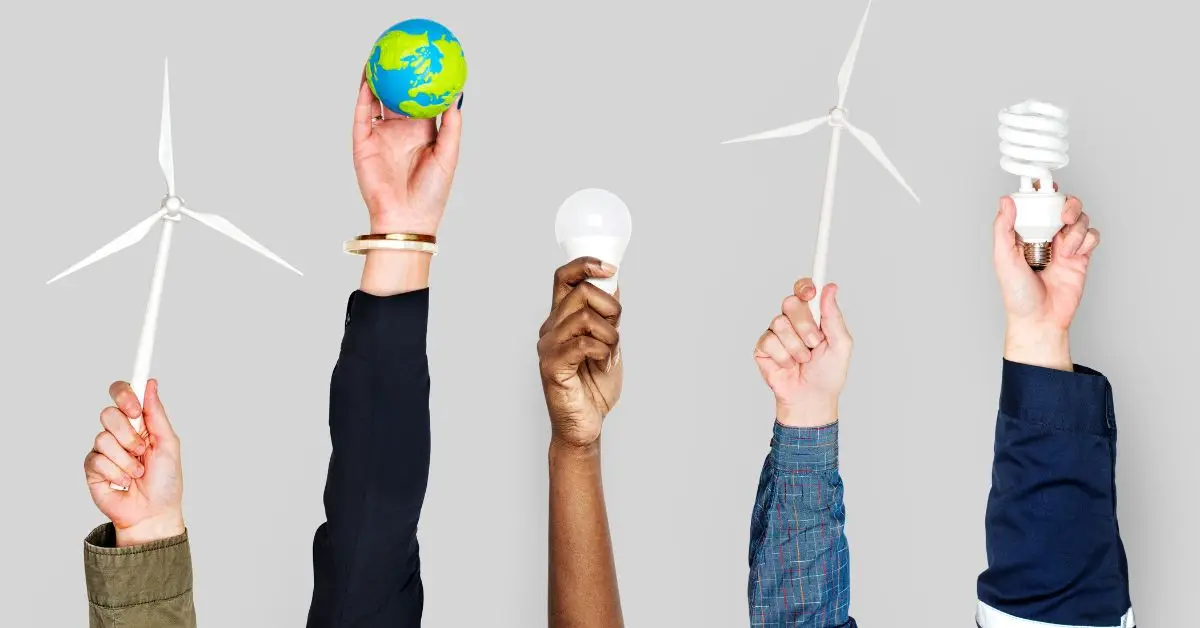
Denmark is on the verge of achieving its ambitious climate targets, aiming for a 70% reduction in greenhouse gas emissions by 2030, despite ongoing challenges and uncertainties.
Denmark to Become Climate Neutral by 2050
The latest status report from the Climate Council highlights a renewed optimism for Denmark to reach its ambitious climate targets. “The government and the Parliament have collectively adopted policies that potentially meet the 2030 target, which is good news,” said Peter Møllgaard, Chairman of the Climate Council, referring to the situation as a “frigid auditor’s assessment.”
The fundamental aim of Denmark’s climate legislation is to cut greenhouse gas emissions by 70% by 2030 relative to 1990 levels and to reach a climate-neutral society by 2050. This ambitious plan aligns with the Paris Agreement’s objectives to limit global temperature rise to 1.5 degrees Celsius.
A Comprehensive Climate Agreement
In a significant move towards achieving its goals, last year, Danish politicians reached a consensus on ‘The Green Tripartite’ – an extensive climate agreement for the agricultural sector. This landmark deal specifies that large agricultural areas will be converted into forests and natural habitats, alongside the introduction of a carbon tax on emissions from livestock. These initiatives contributed positively to the Climate Council’s latest assessment.
Yet, Møllgaard cautions that this progress does not guarantee that Denmark will actually reach its climate goals. “This is only a good news story similar to a cyclist achieving a solid interim time in a time trial. We still need to pedal hard, and in fact, much harder, and it remains uncertain whether the target can be achieved,” he stated.
Implementation is Key
The Climate Council stresses the necessity of focusing on implementing climate initiatives effectively to ensure that Denmark fulfills its obligations under the Paris Agreement. “Implement, implement, implement,” should be the mantra, according to Møllgaard. As with any significant construction project, such as a hospital, unforeseen issues can easily arise with suppliers or unanticipated expenses can occur. However, according to the Climate Council, there is no margin for error in Danish climate policy: We will barely reach the 70% goal if all the agreed-upon policies are fully enforced.
Aiming Higher and Creating Buffer
To enhance the likelihood of success, politicians should consider aiming even higher than the current objective. Møllgaard suggests, “It is crucial that we don’t just barely scrape by in 2030, but rather lay down a buffer so that there’s room to accommodate potential setbacks.”
Denmark’s current trajectory leaves little-to-no room for error. If the nation is to meet its climate goals, it is imperative that policymakers act decisively and with a comprehensive strategy rather than a collection of fragmented initiatives.
Challenges and Future Directions
Denmark’s path forward will not be without challenges. The effective execution of climate policies requires dedication, coordination among different sectors, and active engagement with stakeholders. Møllgaard believes that if the political climate remains committed, significant strides toward ambitious climate goals are within reach, and he calls for urgency in transforming climate ambitions into reality.