India walks a diplomatic tightrope as oil supplies from Iran face disruption, balancing pressure from the United States and Israel against energy security needs while China pushes for stronger coordination within the BRICS bloc. New Delhi maintains studied neutrality to protect its vulnerable economy amid surging crude prices and supply chain chaos.
India finds itself in a precarious position as escalating tensions in the Middle East threaten its oil lifelines and test decades of careful diplomatic balancing. The crisis exposes the nation’s acute energy vulnerability while forcing difficult choices between competing geopolitical pressures.
The situation has intensified as China calls for stronger cooperation among BRICS nations. Chinese Foreign Minister Wang Yi urged the bloc to support each other’s presidencies and bring new hope to the Global South. India has not responded to Beijing’s statement, maintaining silence as it navigates between traditional partners and emerging alliances.
Energy Crisis Threatens Economic Stability
India’s energy dependence creates fundamental economic risks as Middle East supply routes face disruption. The nation imports nearly 90 percent of its crude oil, with roughly half passing through the Strait of Hormuz. This chokepoint handles about 20 percent of global oil trade and has become a flashpoint as Iran threatens to close the passage.
Strategic Waterway Under Threat
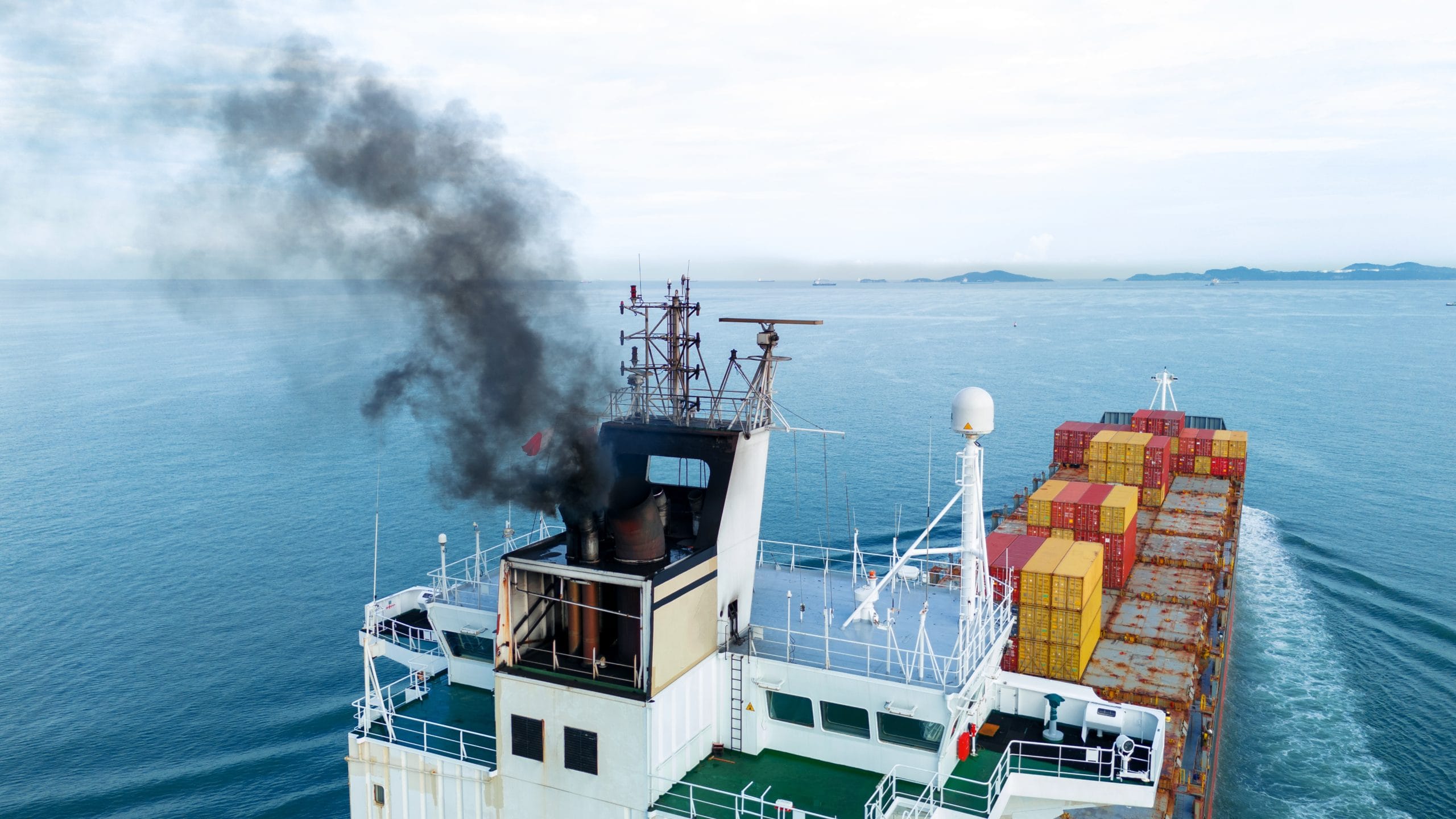
The Strait of Hormuz disruption directly threatens India’s energy security in ways that dwarf challenges faced by more resource-secure nations. Nearly 50 percent of India’s crude imports pass through this narrow waterway. Over 150 oil and liquefied natural gas tankers have anchored in nearby waters to avoid the dangerous route.
India imports between 2.5 and 2.7 million barrels per day through Hormuz. Pakistan faces even more severe exposure, with 99 percent of its LNG from Qatar transiting the strait. Meanwhile, China maintains months-long reserves of critical minerals and oil, while India holds only about 25 days of crude and gas inventory.
Price Surge Hits Markets
Oil prices have surged dramatically as supply concerns mount. Brent crude jumped 9 percent to around 80 dollars per barrel in early March. Analysts warn prices could exceed 100 dollars or even approach 150 dollars if disruptions persist.
LNG prices have risen approximately 50 percent amid the crisis. India’s crude basket climbed to 85.4 dollars per barrel in March from 69.01 dollars in February. The finance ministry warns that sustained prices above 100 dollars could significantly strain macroeconomic indicators including inflation and fiscal deficits.
Emergency Measures Activated
The Indian government has invoked emergency powers as the crisis deepens. Authorities directed refiners to maximize LPG production to meet domestic demand. State-owned companies have issued force majeure notices on LNG supplies after vessels could not reach terminals in Qatar.
Petronet LNG, India’s largest importer, declared force majeure after failing to reach the Ras Laffan terminal. GAIL and Indian Oil Corporation have begun curtailing gas deliveries to industrial consumers. The government has also hiked liquefied petroleum gas prices while rationing liquefied natural gas supplies.
Diplomatic Balancing Act Grows Complex
Recent events strain India’s traditional approach of non-alignment as the nation appears to lean toward the United States and Israel coalition. This shift creates tension with longstanding relationships while drawing scrutiny from BRICS partners. Prime Minister Narendra Modi’s visit to Israel just before that nation attacked Iran raised questions about tacit approval.
Silent Stance Sparks Questions
India remains the only founding BRICS member that has not condemned the attack on Iran. New Delhi has called for dialogue and de-escalation rather than outright condemnation. This pragmatic approach differs sharply from positions taken by Brazil, Russia, China and South Africa.
India maintained notable silence when a United States submarine sank an Iranian warship. The vessel was returning after participating in military exercises hosted by India. Shortly afterward, Indian Foreign Minister S. Jaishankar deflected a question about whether India serves as the net security provider in the Indian Ocean.
Historical Ties Face Pressure
Until around 2018, Iran ranked among India’s top oil suppliers. The relationship carried strategic importance, highlighted by New Delhi’s investment in Iran’s Chabahar Port. This facility gives India access to Afghanistan and Central Asia without passing through Pakistan.
United States sanctions in recent years have sharply reduced bilateral trade and energy flows between India and Iran. The economic relationship has weakened considerably even as strategic interests remain. India’s foreign secretary visited the Iranian embassy in New Delhi to sign the book of condolences after Iran’s supreme leader was killed, signaling continued diplomatic engagement despite tensions.
Trade Pressures Shape Policy Choices
India faces competing economic pressures as it recalibrates relationships with major powers. The United States previously imposed a 25 percent penalty tariff on India for buying Russian crude, though this was revoked last month. A temporary waiver now allows Indian refiners to purchase Russian oil, creating breathing room amid supply disruptions.
Russian Oil Flows Shift
India’s crude import mix has undergone significant changes over the past year. Russian imports fell 19 percent during the April to January period compared to the previous year. Meanwhile, imports from the United States surged 64 percent during the same timeframe.
Russian crude currently represents roughly 20 percent of India’s total oil imports. The Russian share declined from 36.4 percent to 30.4 percent during the April to January period. Approximately 145 million barrels of Russian crude remain stranded on tankers at sea, creating additional market uncertainty.
Temporary Relief Granted
United States Treasury Secretary Scott Bessent issued a 30-day waiver allowing Indian refiners to purchase Russian oil. The waiver applies only to shipments loaded before March 5 and remains valid until April 3. Bessent framed India as an essential partner in stabilizing global oil markets during the Iran-Israel conflict.
The waiver came just two days after the attack on the Iranian vessel. India was also hosting United States Deputy Secretary of State Chris Landau at the time. Efforts to firm up a trade deal had been derailed by the Supreme Court striking down Trump’s tariff agenda, adding complexity to negotiations.
Economic Vulnerability Creates Constraints
India’s disproportionate economic vulnerability drives its cautious diplomatic stance. Experts note this vulnerability arguably exceeds that of China given the stark difference in strategic reserves. The nation must protect against supply volatility, pressure on the rupee and renewed fiscal strain from energy subsidies.
Market Indicators Show Stress
Financial markets reflect mounting pressure on the Indian economy. The rupee hovers around record lows against major currencies. Benchmark stock indexes logged their worst week in over a year as investors assess energy security risks.
The government has not yet revised retail fuel prices despite wholesale cost increases. Authorities actively monitor the situation as pressure builds. LPG and fertilizer prices also face upward pressure since these products transit through the Strait of Hormuz.
Strategic Reserve Limitations
India sources 88.6 percent of crude oil from overseas markets. During the April to January period, 46.9 percent came from West Asia. This structural import dependency creates acute vulnerability to Middle East instability that policy measures cannot quickly resolve.
India holds only about 25 days of crude and gas inventory compared to months-long reserves maintained by China. Recent developments send signals that India under Modi may have departed from traditional equi-balancing policies. This shift has created confusion among major countries in the Global South, leading some to believe India has tilted toward Israel and the United States.
Competing Perspectives on Strategic Direction
Analysts offer diverging views on whether India’s apparent shift serves national interests. Some argue the pragmatic approach protects vital economic relationships. Others warn that abandoning multi-alignment risks long-term strategic flexibility.
Arguments for Western Alignment
Some experts contend India’s national interests lie more with the United States, Israel and their allies compared to Iran. They note that India has every right to pursue its interests based on economic and security calculations. This view emphasizes the importance of Western technology, investment and market access for India’s development goals.
The United States reversed its penalty tariff and granted a temporary waiver, demonstrating willingness to accommodate Indian energy needs. A February trade understanding lowered Indian tariffs to 18 percent, signaling partial progress before the current crisis. These gestures suggest alignment with Western powers offers tangible economic benefits.
Risks of Abandoning Neutrality
Other analysts warn that taking clear sides could backfire. Political economist Zakir Husain said recent developments suggest New India under Modi may have departed from traditional equi-balancing. This creates confusion among major countries in the Global South about India’s true strategic orientation.
Director Eerishika Pankaj noted that abandoning multi-alignment could risk supply volatility and fiscal strain. If India were to take a clear side, it might face renewed pressure from nations it has alienated. The pragmatic approach of calling for dialogue preserves flexibility even as it draws criticism from both camps.
Looking Ahead as Pressures Mount
The crisis shows no signs of quick resolution as competing pressures intensify. India must navigate between energy security imperatives and geopolitical calculations. The nation’s limited strategic reserves leave little margin for error as prices surge and supply chains face disruption.
Short Term Challenges
India faces immediate challenges managing energy supplies and economic stability. The 30-day waiver on Russian oil purchases provides temporary relief but expires in early April. Efforts to secure alternative supplies from the United States and other sources continue, though at higher prices and with political strings attached.
The government must also manage domestic political pressures as fuel and cooking gas prices rise. Rationing measures and force majeure declarations signal the severity of supply constraints. Financial markets remain volatile as investors assess both immediate disruptions and longer-term strategic implications.
Strategic Calculations
Longer-term decisions about diplomatic alignment carry profound consequences. India’s traditional non-alignment policy served the nation well for decades by preserving flexibility and avoiding entanglement in great power conflicts. Recent moves suggest a reassessment of this approach amid changing global dynamics.
China’s push for stronger BRICS cooperation represents an alternative framework that India cannot easily dismiss. The bloc includes major energy producers and consumers with shared interests in resisting Western dominance. At the same time, India’s democratic values and border tensions with China complicate deeper alignment within BRICS. The choices India makes in coming weeks will shape its strategic position for years to come.
Sources and References