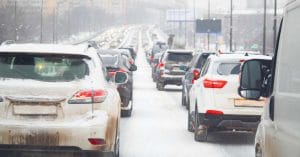
Two teenagers died in a traffic accident in Denmark, police confirmed on April 12, 2026. Details remain scarce as the investigation continues, with authorities following standard procedures for fatal crashes involving minors. The incident adds to a traffic safety landscape that saw 2,519 killed and injured in 2024, down from 2,778 the previous year.
Danish police reported the fatal crash involving two teenagers, but the investigation remains in its early stages. No names, exact location, or cause have been released. This is standard. When minors die on Danish roads, privacy laws and investigative protocols mean families hear first, the public hears later.
I have covered enough of these stories to know the pattern. Police secure the scene, document skid marks, check for speed or substance factors, interview witnesses if there are any. Then comes the waiting. For families, it is unbearable. For the rest of us, it is a headline that fades before we learn what actually happened.
What We Know About Danish Traffic Deaths
Denmark has made progress on road safety. In 2024, police registered 2,519 people killed or injured in traffic accidents, according to Danmarks Statistik. That is down from 2,778 in 2023. The numbers matter because they represent a long effort to make roads safer through stricter licensing, better infrastructure, and public campaigns.
Young drivers remain vulnerable. Inexperience, risk-taking, and overconfidence mix badly at high speeds. Denmark’s roads are generally safe compared to much of Europe, but motorways and high-speed stretches still claim lives. Vejdirektoratet tracks accident locations to guide safety improvements, but no system prevents every crash.
The question is always whether this one could have been avoided. Was it driver error? Road conditions? Mechanical failure? We do not know yet. The police do not rush these conclusions, and they should not.
When Families Are Left in the Dark
Transparency in accident investigations varies across Scandinavia. In Norway, between 2005 and 2012, the road authority investigated 1,548 fatal crashes but withheld detailed reports from families, police, and even courts. A 2014 exposé by VG revealed that road conditions were decisive in 166 cases, including 14 deemed critical. Fifteen lives were lost due to verifiable road faults, and no one was told.
Denmark does not have the same documented problem, but the Norwegian case is a reminder. Families deserve answers. So does the public, especially when infrastructure might be at fault. Vejdirektoratet publishes accident statistics and works with police on safety audits, which suggests stronger transparency than Norway’s past secrecy. But I wonder how quickly families in cases like this one get full reports.
The procedures are clear enough. FDM outlines what happens after serious accidents: police must be contacted for non-trivial injuries or material damage over 50,000 kroner. Insurers handle compensation for survivors, covering funeral costs and transitional support for relatives. These are practical steps, but they do not fill the void for parents who have lost children.
The Gaps in Real-Time Data
No updates on this specific crash have emerged since the initial report. That is typical at this stage, but it also reflects a broader challenge. Comprehensive 2025 and 2026 traffic data are not yet available from public sources. Danmarks Statistik releases annual figures with a lag, and Vejdirektoratet focuses on ongoing monitoring rather than real-time breakdowns.
Other accidents have made headlines recently. On April 10, a serious crash on Motorring 4 near Vestskovvej prompted prolonged road closures. Another incident blocked Vestmotorvejen between Slagelse and Sorø that same evening. These are unrelated to the teenage fatalities, but they show how quickly Danish roads can turn deadly.
I live here. I drive these roads. The statistics tell me Denmark is safer than it was, but that provides no comfort to two families living in Denmark who are grieving today. The investigation will eventually deliver findings. Causes will be identified. Responsibility may be assigned. But the wait for answers is its own kind of cruelty.
Sources and References
TV2: To teenagere døde i færdselsulykke
Danmarks Statistik: Færdselsuheld
Vejdirektoratet: Trafiksikkerhed og ulykkesstatistik
FDM: Færdselsuheld – hvad skal du gøre
SKUP: De hemmeligholdte ulykkesrapportene
Politi.dk
The Danish Dream
The Danish Dream: Top 20 Things About Living in Denmark