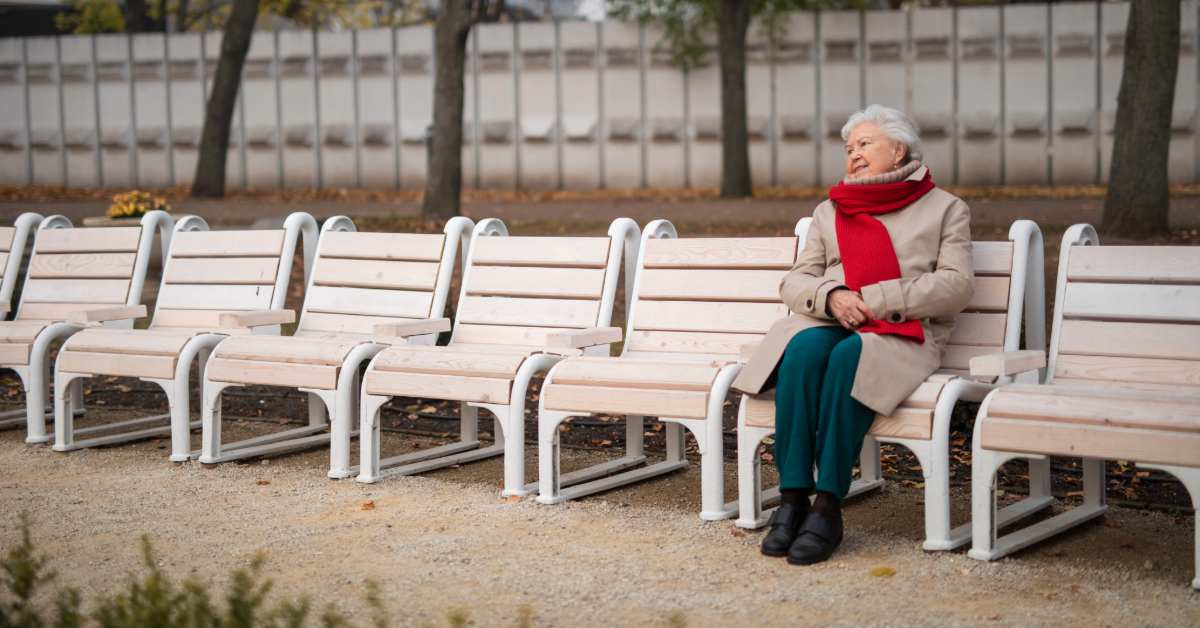
A new TV2 series showcasing Danish seniors on organised holidays has sparked a booking surge at tour operator Spies, signalling that solo travel among older Danes is rapidly shedding its stigma and creating a fast-growing market.
Within days of the broadcast, Spies reported a clear uptick in demand for its senior solo trips. The programme followed older travellers on group holidays designed for people aged 55 and up who are travelling alone but want company and structure. According to the company, shoulder season departures are seeing the strongest interest.
This is not just a television curiosity. It reflects a genuine shift in how Denmark’s growing older population thinks about travel after 65. Danes made around 9.7 million holiday trips abroad in 2023, and the 55 to 74 age bracket is one of the fastest growing segments. With roughly 880,000 residents aged 65 or older, the market has room to run.
What Makes Senior Solo Travel Tick
The format is straightforward. Package tours to Spain, Greece or the Canary Islands, scheduled outside school holidays. A Danish tour leader accompanies the group. The itinerary includes social activities designed to help single travellers connect. Many participants are widowed or divorced and want to keep exploring the world without travelling completely alone.
Spies noted that the appeal lies in combining sun with safety and social connection. For older people wary of navigating airports or hotels solo, the structure is reassuring. For tour operators, the commercial logic is equally clear. Seniors can travel when planes and hotels sit half empty, and they often book longer stays of two or three weeks.
The Expat Gap
For foreigners living in Denmark, this boom is both encouraging and frustrating. I have watched this market develop for years, and the elephant in the room is language. Most senior solo products assume Danish speaking participants. Marketing materials, booking sites and on trip communication are overwhelmingly in Danish. If you are an older expat who does not feel confident travelling independently, you face a choice. Either struggle through Danish interfaces or miss out on offers that are technically available to anyone with a Danish address.
Around six to seven percent of Denmark’s 65 plus population are foreign born or foreign citizens. That is tens of thousands of potential travellers who may not realise these trips exist or how to access them. The TV series will likely push operators to expand capacity, but there is no sign yet that English language versions are part of the plan.
Legal Rights and Practical Traps
Anyone booking a package tour from Denmark is covered by the Danish Package Travel Act and the Travel Guarantee Fund, regardless of nationality. That protection matters if an operator goes bust or a trip is cancelled. Details are available on Borger.dk and the Package Travel Complaint Board site, partly in English.
Health insurance is trickier. EU and EEA citizens with a Danish health card plus the blue European Health Insurance Card have some coverage, but repatriation and private medical costs usually require separate travel insurance. Non EU expats with private health plans must check exclusions for travel. Third country nationals also need to watch time spent abroad. Long trips can affect residence permit rules if you exceed allowed absences, and those details are on Nyidanmark.dk.
A Privileged Picture
Critics argue that glossy TV travel shows paint a one sided image of retirement. Not every Danish pensioner can afford three weeks in the sun, and for foreigners juggling pensions from multiple countries or supporting family abroad, the financial calculation is even more complex. Some senior interest groups welcome the visibility, saying it challenges ageist stereotypes. Others worry that the focus on carefree holidays ignores the isolation and tight budgets many older people face.
Consumer advocates have also flagged aggressive upselling of excursions and insurance aimed at seniors. Accessibility is another concern. Not all trips suit people with mobility issues, but marketing materials do not always make limitations clear upfront.
There is also the climate question. Denmark has binding emissions targets and aviation is under scrutiny, yet senior travel products are almost entirely air based. So far, there has been limited policy discussion on how to square grey tourism growth with climate goals.
What This Means Going Forward
The TV driven spike will likely fade, but the underlying trend will not. Denmark’s population is ageing, pensions are relatively generous, and healthier older adults want to use those years actively. If demand holds, expect more operators to jump in and more products tailored to single seniors. Whether that expansion includes English speaking options depends on whether companies see international residents as a market worth chasing.
For now, older expats interested in these trips should check whether the operator provides English support, verify coverage under Danish package travel rules, and review health insurance carefully. Off season departures and last minute offers can reduce costs. If you are uncomfortable with pure Danish groups, look for Nordic or international tours departing from Copenhagen, but verify the company is covered by a recognised guarantee scheme. The market is opening up. The question is whether it will open up for everyone living here.