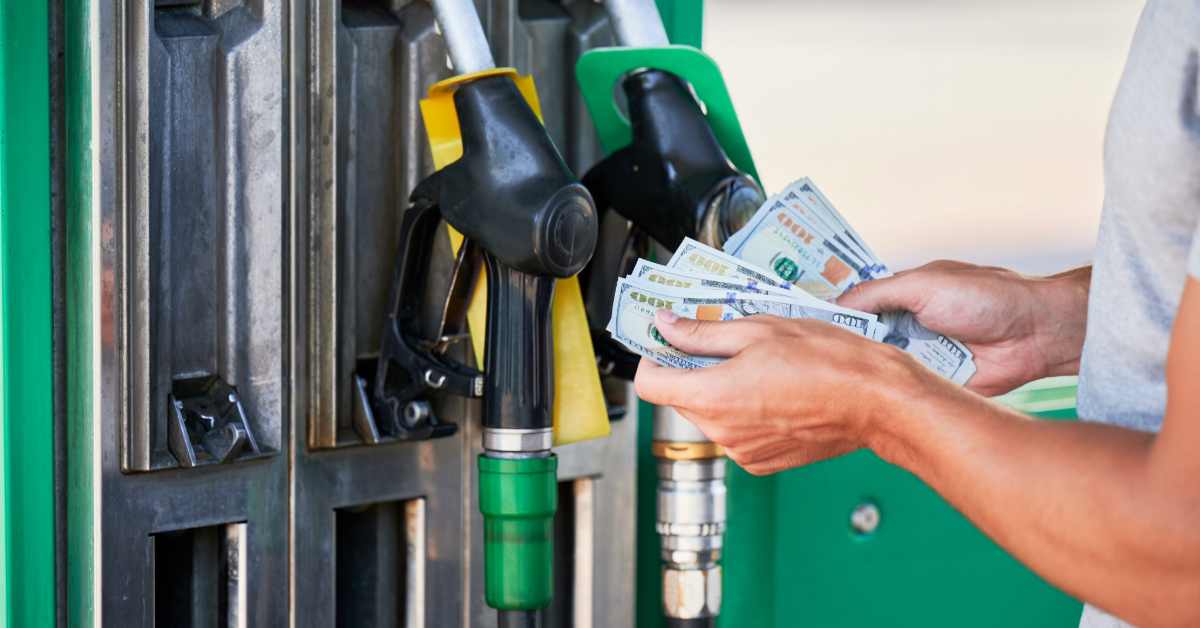
As the Danish prices on fuel is climbing, the government is introducing new initiatives aimed at increasing transparency and competition in the gasoline and diesel market—measures that could save some households up to DKK 2,000 annually.
Government Pushes for Lower Gas Prices
As fuel prices have surged since 2021—rising more than 33% in less than four years—the Danish government is stepping in to provide relief to consumers. On Thursday, Transport Minister Thomas Danielsen and Business Minister Morten Bødskov are set to announce new actions designed to make it easier for drivers to find the cheapest fuel stations and to stimulate greater price competition among providers. Hopefully it will be easier to find cheaper fuel.
The Danish prices for a liter of regular unleaded 95 octane gasoline has increased by DKK 3.80 since early 2021, marking one of the steepest climbs in recent years. Officials believe that a lack of real price competition has played a significant role in this trend. Many Danes are feeling the rising costs, showing why change is needed.
Competition Weakening Across Gas Stations
According to the Danish Competition and Consumer Authority, the country’s fuel market has become increasingly uniform since 2020, with Danish prices at different gas stations closely aligning and often changing simultaneously. This erosion of local price variation has made it harder for consumers to shop around for better deals.
The new measures aim to increase competitive pressure on fuel companies by requiring real-time transparency in pricing. The government believes that improving customer access to current fuel prices can significantly impact the market, forcing providers to compete more aggressively on price.
Specific Measures Aimed at Transparency
The government’s plan includes two central initiatives:
1. Mandatory Online Disclosure of Pump Prices
Fuel companies will be required to publish their current pump prices online. This will allow drivers to easily compare prices before heading to the nearest station, ensuring they can make cost-effective choices.
2. Ban on Publishing Guideline Prices in Advance
Oil companies will no longer be allowed to announce upcoming recommended retail prices before they go into effect. This measure is intended to prevent companies from coordinating pricing strategies, which can lead to artificially synchronized price increases.
If implemented successfully, these initiatives could lead to substantial savings for motorists. A household with one car could save up to DKK 700 annually. For families with two cars, the potential savings could reach as high as DKK 2,000.
Fuel Margins Have Doubled Since 2018
The Competition Authority also revealed that from 2018 to 2024, the gross profit margins on gasoline sales have roughly doubled. This signals that fuel companies are earning significantly more per liter, widening profit at a time when consumers are under pressure from inflation and other rising living costs.
The Danish government views this as an urgent issue affecting households across the country and is tying these new fuel reforms into broader cost-of-living measures already announced.
Part of a Larger Economic Relief Package
The push for cheaper gasoline is part of the government’s broader effort to reduce everyday expenses for Danish citizens. The SVM coalition—comprising the Social Democrats, the Liberal Party (Venstre), and the Moderates—is working on various initiatives set to be included in the 2026 national budget. These include eliminating taxes on items like coffee and chocolate, removing the VAT on books, lowering electricity fees starting January 2026, and reducing parental fees for daycare.
These policy directions reflect a wider effort to stimulate purchasing power for ordinary Danes and relieve financial pressure from economic shifts that have been underway since the COVID-19 pandemic and exacerbated by global energy crises.
Outlook and Next Steps
While consumer organizations have welcomed the proposed reforms, they also stress that effective implementation and enforcement will be crucial. The uniformity in fuel pricing across Denmark shows just how entrenched certain market behaviors have become, and reversing this trend will require ongoing oversight.
The proposed rules are expected to be discussed further in Parliament following the ministers’ press briefing. If passed into law, they could come into effect as early as next year, offering Danish drivers a financial reprieve amid ongoing inflation and high Danish prices.