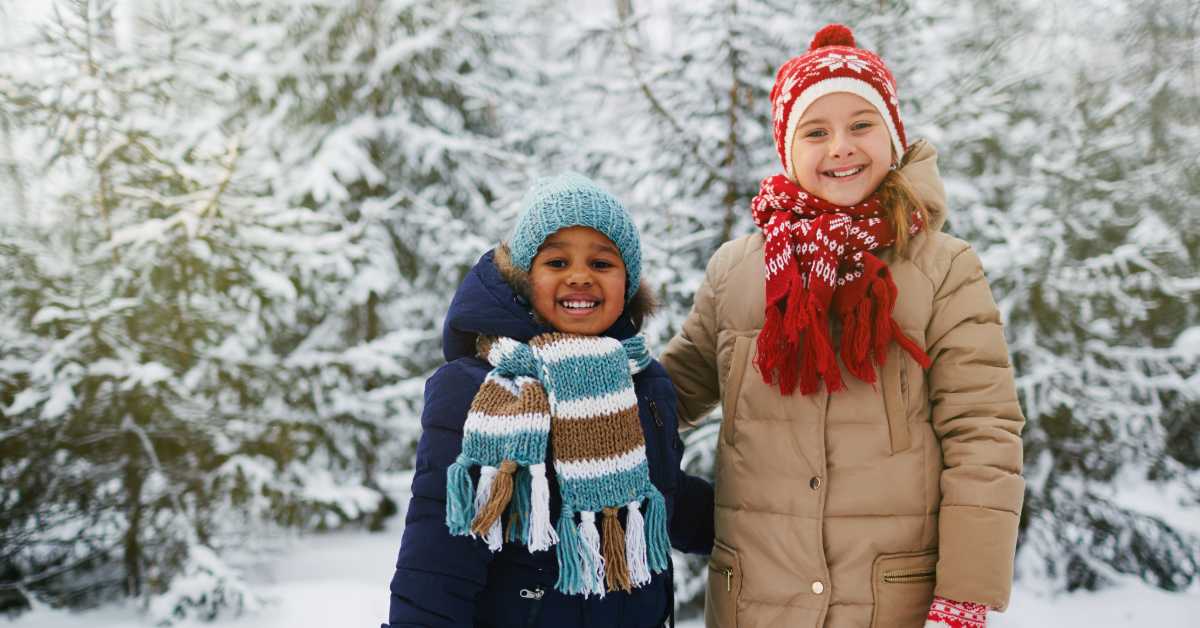
Across Denmark, new Christmas calendars are getting kids on their feet instead of glued to screens. This December, movement and play are becoming part of the holiday countdown in both preschools and primary schools.
Movement Takes Over the Christmas Countdown
Every December, children around Denmark eagerly open their Christmas calendars filled with chocolates and small gifts. But this year, several new kinds of calendars are making their way into classrooms and daycares. Instead of sweets, they’re packed with physical challenges and mini exercises designed to keep kids active through the dark winter month.
On December 1, children in countless kindergartens across the country took part in DGI’s brand-new movement calendar. It’s designed specifically for preschoolers and encourages fun daily physical activities. Thousands of kindergarten teachers have already joined, making this one of the largest playful health initiatives of the season.

Schools Join the Fun
The effort isn’t limited to preschoolers. Danish School Sports has launched its own Christmas activity calendar for elementary school classes. Each school day in December brings a new physical exercise and an instructional video. The idea is to help teachers combine festive fun with movement breaks that energize students between lessons.
At a time when Denmark continues to focus on child health and well-being, these kinds of programs fit right in with broader trends. Many Danish schools already emphasize daily activity as a regular part of education. This aligns closely with national campaigns promoting fitness, mental health, and balance for kids and teens. Related programs, such as mental health classes, show how Danish education is becoming more holistic, targeting both mind and body.
Why Physical Activity Matters in December
For many Danish families, winter brings shorter days and colder weather that can limit outdoor play. Pedagogues and teachers have long searched for creative ways to keep children active inside. The Christmas movement calendars provide an easy solution: a festive, built-in routine that sparks both joy and physical engagement.
Sometimes it’s simple things like jumping, stretching, or dancing that make the biggest difference. Kids get a fun way to release energy, while teachers see improved concentration during lessons. The daily structure also adds a sense of anticipation similar to traditional chocolate calendars, giving children something active to look forward to each morning.

Growing Awareness of Children’s Health
Denmark has seen growing concern about children’s sedentary habits, especially with the rise of screen time. Even in early childhood, many spend hours sitting still each day. To counter this, local institutions have started to pair learning goals with activity. From what I can tell, it’s becoming part of a broader health culture where movement is considered as vital as academics.
More kindergartens are integrating structured play in daily routines, and public health campaigns frequently highlight the importance of keeping active. This shift also connects well with other national initiatives such as improved child care programs mentioned in reports like best child care in Denmark for foreigners. Together, they reflect a consistent message: that physical and emotional well-being form the foundation for childhood development.
The Danish Approach to Health and Education
Interestingly, this movement-friendly Christmas tradition reflects how Denmark often merges celebration with social learning. It’s not unusual for schools and community organizations to use holidays as a time to teach values like cooperation, balance, and well-being. In this case, the magic of December becomes a framework for creating lasting healthy habits.
In the end, the blend of fun, education, and exercise might be what makes the Danish model stand out. From early education to public policy, Denmark continues to lead by example in supporting children’s growth through both active play and mental balance. If these activity calendars succeed, they could easily become a new seasonal classic in Danish classrooms and childcare centers.

Sources and References
The Danish Dream: Danish Schools Lead The Way With Mental Health Classes
The Danish Dream: Best Child Care in Denmark for Foreigners
TV2: Danskernes Sundhed