Denmark is spending 712 million kroner to add overtaking tracks near Copenhagen’s southern railway corridor, aiming to ease congestion and prepare for surging cross-border freight and passenger traffic.
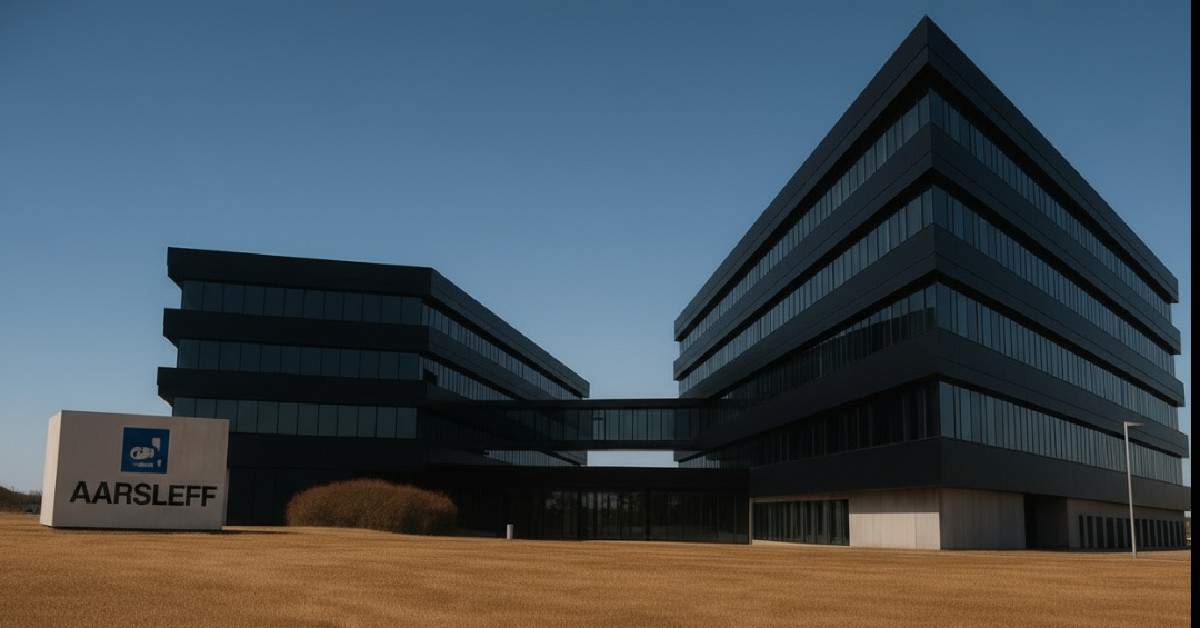
Aarsleff Rail signed a contract with Sund & Bælt this month to build new overtaking tracks at Kalvebod, just south of Copenhagen. The project is part of Infrastructure Plan 2035 and addresses a critical bottleneck on one of Denmark’s busiest rail stretches. Construction starts this spring and should wrap up by 2028.
The overtaking tracks will let faster passenger trains pass slower freight trains between København Syd and Bådhavnsgade. Right now, the southern corridor struggles with capacity limits, causing delays that ripple across the network. I have watched this problem unfold for years as a commuter and journalist. The tracks around Copenhagen H are at their limit, and every delay compounds.
Why Kalvebod Matters
The Kalvebod stretch links Roskilde, Copenhagen, and the airport. It also carries freight moving between Scandinavia and the rest of Europe. The route is designated part of the EU’s TEN-T network, which unlocked EU funding and elevated the project’s strategic importance.
According to Sund & Bælt, the project enables more trains per hour and better punctuality. It also sets the stage for direct trains from western Denmark to Copenhagen Airport, eliminating the need to change at Hovedbanegården. That could shift travelers away from cars and short-haul flights, though no specific CO2 reduction figures have been published yet.

The contract is structured as a design-and-build deal with a target price of 330 million kroner. Aarsleff Rail will handle earthworks, drainage, bridge expansion, and track construction. Hammelstrupvej bridge will expand from two to four tracks, and two pedestrian bridges will be replaced. The work happens in stages to keep trains running during construction.
A Broader Infrastructure Push
Kalvebod is one piece of a larger puzzle. Banedanmark is also planning to expand Copenhagen’s main station from nine to ten or twelve platform tracks by 2030. The station’s current layout creates conflicts between trains arriving from Ringsted, the Øresund line, and the west coast. Simplifying the track network and adding capacity should reduce these friction points.
Aarsleff Rail is also upgrading the airport station and building an underground interchange at Ny Ellebjerg, where metro and regional trains meet. These projects reinforce the southern corridor strategy: spread traffic across multiple hubs instead of funneling everything through Copenhagen H.

I have lived through enough Danish construction projects to know that timelines slip and budgets creep. But the political consensus here is solid. Infrastructure Plan 2035 passed with broad parliamentary support in 2021, and Kalvebod was baked into the deal. The Danish Traffic Authority has approved the environmental impact assessment, and there is no vocal local opposition documented in public records.
Aarsleff’s Growing Rail Footprint
Aarsleff Rail has become Denmark’s go-to contractor for major rail work. The company recently won contracts to modernize Aarhus Hovedbanegård and renew tracks between Høje Taastrup and Roskilde. It employs between 500 and 1,000 people and focuses on technical and sustainable solutions, including partnerships with Siemens Mobility.

This concentration of work raises questions about competition in the public contracting space. No Danish sources have flagged concerns about Aarsleff’s dominance, but it is worth watching as more projects roll out. The company’s track record is solid, but a healthy market needs multiple capable bidders.
What Commuters Can Expect
The short-term outlook involves construction noise, potential night closures, and occasional service changes. The long-term payoff should be more frequent trains, shorter travel times, and fewer cascading delays. For expats commuting from Roskilde or catching flights from the airport, that matters.

Freight operators stand to gain flexibility too. More overtaking capacity means goods can move by rail instead of truck, aligning with Denmark’s green transition goals. But without published data on expected train frequency increases, it is hard to quantify the actual improvement. The government and Sund & Bælt have been vague on specifics.
I remain cautiously optimistic. Denmark has a mixed record with big infrastructure projects. The ERTMS signaling program has been plagued by delays and cost overruns. Electrification projects have faced technical hiccups. But the Kalvebod work is comparatively straightforward: add tracks, expand a bridge, and improve drainage. The risk profile is lower than digital signaling systems or entirely new lines.
A Test of Danish Infrastructure Ambition
Denmark is betting that better rail capacity can support economic growth and climate goals simultaneously. The Kalvebod project will reveal whether the country can deliver on that promise without the usual delays and budget blowouts. For now, the trains keep running, and the construction crews are moving in.
Sources and References
The Danish Dream: Per Aarsleff Holding A/S
The Danish Dream: Iconic Danish Y-train takes its final ride
The Danish Dream: Teenager hit by driverless Copenhagen metro train
Ritzau: Aarsleff Rail skal udvide kapaciteten på en af Danmarks vigtigste jernbanekorridorer