Danish electricity prices have climbed sharply in September 2026, with the month’s average already above one krone per kilowatt-hour and an extreme evening peak on September 14.
DR reported on September 14 that September is shaping up to be an expensive month for households with high power use. The average price so far this month is above one krone per kilowatt-hour. If prices stay at that level, September could become the most expensive month since the energy crisis in 2022.
According to DR’s finance section, prices reached their highest level in almost two years. For September 14, electricity cost close to seven kroner per kilowatt-hour including VAT between 19:00 and 20:00. The average for that day was about 2.40 kroner per kilowatt-hour.

Advice on shifting consumption
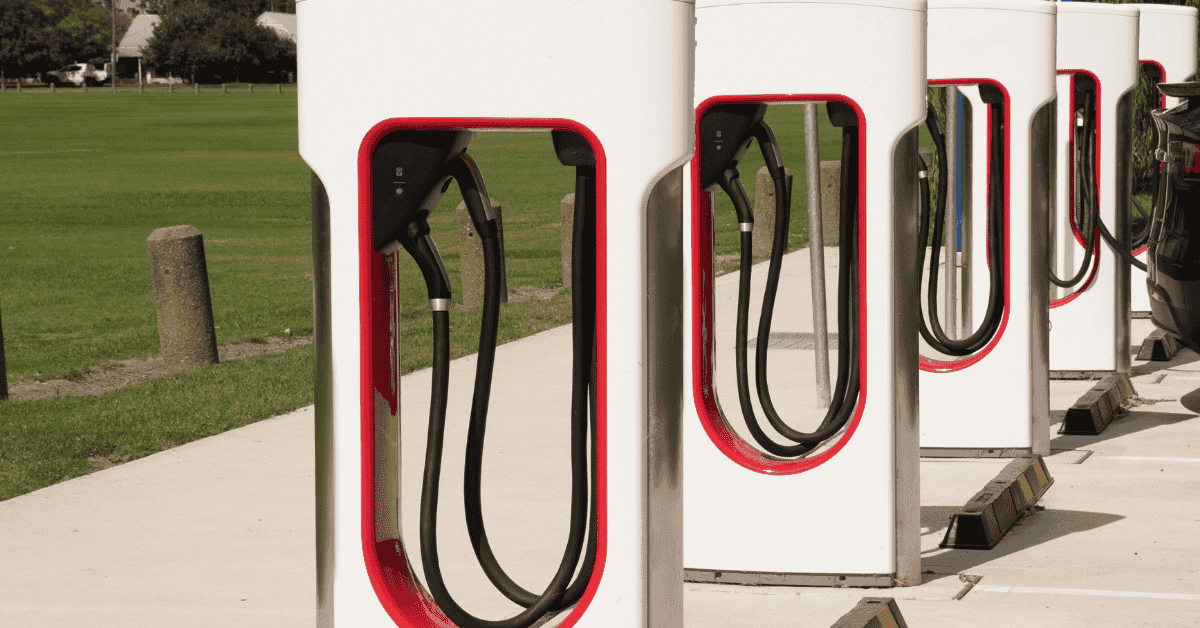
Kristian Rune Poulsen, chief consultant at the industry organization Green Power Denmark, told DR that money can be saved by moving consumption out of the most expensive hours. He pointed to electric car charging as one example. Per Poulsen, charging during the peak hour can cost 50 to 60 kroner or more per hour.
Tue Patursson, a building specialist and communicator at the housing knowledge center Bolius, works with energy as one of his subject areas. He told DR that older electronics can draw power unnoticed. As an example, he cited his own stereo system, roughly 18 years old, with a standby consumption of about 700 kroner per year.

Patursson also recommended an electricity meter for households that are unsure where their consumption comes from. According to him, a meter makes it easier to see where use can be adjusted. He noted that prices are high around dinner time, so simpler evening meals can reduce the bill on days like September 14.
Gaming computers are another significant item, according to Patursson. He said the machines use a lot of power, and suggested board games as an alternative for younger household members. The advice concerns everyday household choices rather than larger renovations.

DR spoke with Victor Laasby from Faaborg, who lives with his mother and shares the electricity bill with her. He said that both he and his brother play a lot. When electricity is more expensive, they sometimes switch off an hour or two earlier than usual, he told DR.
The price levels cited by DR are market prices before network tariffs and subscription costs are added. Electricity remains one of the more variable items in the cost of living in Denmark, since hourly prices change throughout the day. Several apps give an overview of the shifting prices, DR noted.