
Denmark Apologizes for Greenland Birth Control Scandal
Danish PM Mette Frederiksen formally apologized for the 1960s-70s Greenland birth control scandal that implanted IUDs without full consent in Greenlandic women.


Danish PM Mette Frederiksen formally apologized for the 1960s-70s Greenland birth control scandal that implanted IUDs without full consent in Greenlandic women.

During Denmark’s autumn break (Oct 14–20, 2025), the Natural History Museum of Denmark invites families to a Danish event and explore female-dominant species through interactive exhibits and quizzes, celebrate women scientists like Arctic explorer Arnarulunnguaq, and meet ‘teddy bear zoologists’ who give playful scientific names and classifications to children’s stuffed animals on October 17.

Denmark launched a 43.5 million DKK funding scheme to restore Danish marine life along its coastlines. In 2025, grants of 3–12 million DKK will back NGOs and municipalities rebuilding eelgrass meadows, stone and biogenic reefs in priority zones such as Sejerø Bay, South Funen Archipelago and the Great Belt, boosting biodiversity and water quality.

Despite 65% of Danes understanding negative Danish electricity prices, one‐third never shift consumption to these low‐cost hours. With 2025 set to break record hours of sub-zero pricing in DK1 and DK2, simple tweaks—running appliances or charging EVs when prices dip—could deliver big savings and bolster Denmark’s green energy transition.
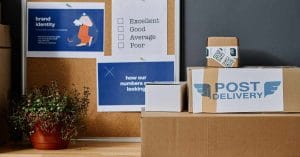
PostNord Denmark strengthens green logistics by deploying seven Mercedes-Benz eActros 600 electric trucks in Denmark to operate in the Triangle Region. This sustainable delivery initiative supports the company’s 2030 fossil-free goal, reduces CO₂ emissions, and meets growing consumer demand for eco-friendly shipping, backed by a new charging hub in Taulov.

Municipal expenses in Denmark for parental compensation surged to 2.5 billion kroner in 2023 as school refusal and child mental health issues force parents from the workforce. Budget cuts in public schools and rising absenteeism exacerbate the crisis. Municipalities like Randers invest in absence coordinators, but experts urge greater preventive support.
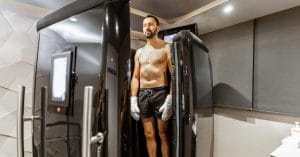
In Copenhagen, a new longevity trend sees private clinics offering cryotherapy, light therapy and infrared saunas to help healthy Danes extend their wellness and lifespan. Fueled by COVID-era science trust and affluent urban lifestyles, treatments promise proactive Danish health optimization despite limited research on their long-term benefits, reflecting a shift toward personalized self-care.

New YouGov data reveals that nearly one in five Danes have had their bank cards blocked over the past three years due to suspected fraud in Denmark. As online scams surge in Denmark, banks and payment providers increasingly use preventive card blocks—briefly inconveniencing customers—to guard against sophisticated digital fraud and protect consumer finances.

New Danish Institute for Human Rights study finds 96% of Denmark’s Jewish community experienced or witnessed antisemitism in the past year, driving 85% of Jews in Denmark to feel unsafe and adopt security measures. Many conceal their identity, avoid public religious symbols, and seek protected community events. Researchers urge government action to combat rising antisemitism in Denmark.

New studies by Aarhus University and TV 2 reveal dangerously high mercury levels in oysters, mussels and Danish fish near the former Cheminova factory at Harboøre Tange, Nissum Bredning. Despite concentrations up to 12 times above environmental limits, Danish authorities have reopened the waters for recreational fishing, prompting serious health and ecological concerns.
