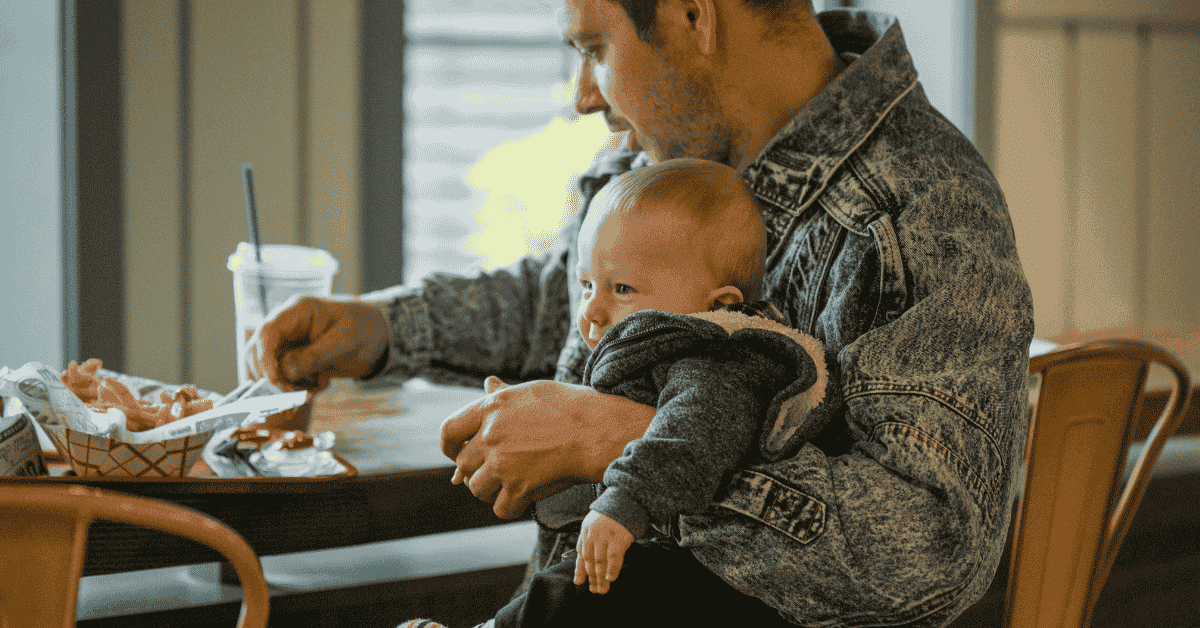
DR published a question-and-answer article on September 21, 2026, in which researchers and treatment staff answered readers’ questions about alcohol problems, addiction and life as a relative.
The Danish public broadcaster DR invited its users to submit questions to a panel with professional and personal experience of alcohol problems. DR reports that more than one in three Danes have experienced social, physical or psychological consequences of another person’s alcohol problem.
The panel included Kirsten Søndergaard Frederiksen, assistant professor at the Center for Rusmiddelforskning, and Isabella Øllgaard, adviser at the helpline Alkolinjen. Also answering were coach Jørn Aarup, Maria Sarwar of Rusmiddelcenter Aarhus and BRUS, and Janne Skott of RusmiddelCenter Vejle.

Sobriety and student life
One reader asked about loneliness among young people who do not drink because of past addiction. Per Frederiksen, abstaining young people can struggle to take part in social communities at upper secondary schools and higher education, because of the role alcohol plays in study environments and at festivals.
She noted that more youth education institutions are now creating communities where students can join social life without drinking. According to Frederiksen, more young people than before are choosing not to drink, and she expects a changed alcohol culture in Denmark.
Another question came from a parent describing rising alcohol use as a way of coping with daily life. Øllgaard pointed to frequent preoccupation with alcohol, prioritizing it above other things, and failing to do what one sets out to do as possible signs of lost control.

Relatives and relapse
Aarup, who has been sober since 2021, answered a question about why drinking can continue while relatives repeatedly point out the problem. As stated by Aarup, the drinking usually rests on mental or psychological causes from the past, and the person must reach the realization themselves.
A reader described a relative who becomes sober in periods, then convinces himself and the family that he is in control. Sarwar responded that dependence is hard to handle for both sides, and that many people need several attempts before they succeed.

On staying sober after repeated three-month breaks, Skott said many believe the difficulty is stopping, while the real challenge is remaining sober. She advised working with the needs alcohol has covered and the situations that trigger relapse, and contacting the municipal drug and alcohol center, which is free.
Part of a scheduled focus
The article was published as part of DR’s “Alcohol in the family” focus. DR announced on September 15, 2026 that the theme would launch on September 21, covering alcohol problems, relatives and access to help.

No other Danish outlet has been found covering the question-and-answer article itself. DR has previously reported on related topics, including conversations between parents and teenagers about alcohol.