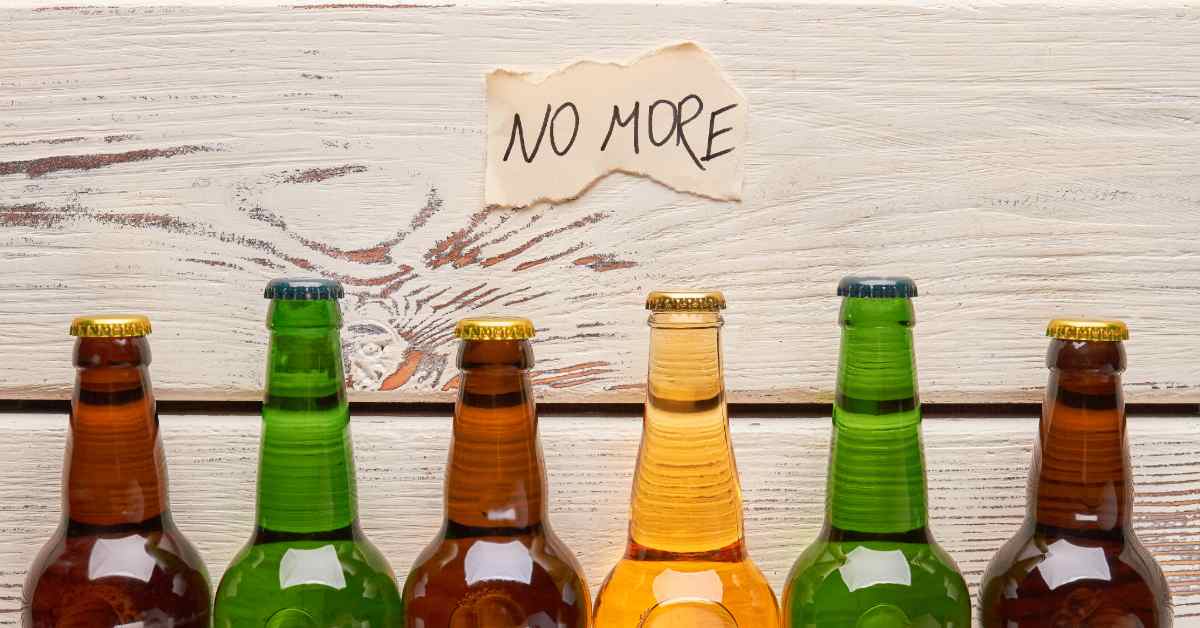
Alcohol-free in Denmark is becomine more popular, with sales of beer and wine on the rise. One of the country’s top grocery groups—Dagrofa—reporting a 17.5% year-over-year increase in non-alcoholic drink sales. Dry January has evolved into a long-term lifestyle trend.
Growing Appetite for Alcohol-Free Options
Danish consumers are embracing alcohol-free beverages at a remarkable pace, turning what used to be a one-month health cleanse into a sustained trend. According to figures released by food retail group Dagrofa, which operates popular supermarket chains like MENY, SPAR, Min Købmand, and Let-Køb, sales of non-alcoholic beer and wine have jumped 17.5% over the past year. Alcohol-free in Denmark is growing fast.
The increase reflects a broader shift in consumer behavior, with more Danes choosing to limit or avoid alcohol throughout the year. What was once known as “hvid januar” (Dry January) has extended well beyond the month of January, becoming a year-round approach for health-conscious shoppers. More Danes seem to be enjoying alcohol-free drinks any time.
High Demand Backed by High Quality
One major contributor to the rise in sales is the quality of the products now available. Alcohol-free in Denmark has come a long way from its reputation for lackluster taste. However, advances in production have significantly improved the flavor profiles of non-alcoholic beer and wine.
Breweries were the first to enhance their alcohol-free offerings, and they’ve since been joined by wine producers, who have successfully developed alcohol-free wines that meet consumer expectations in terms of aroma, taste, and mouthfeel. These improvements have boosted buyer confidence and encouraged more people to add these alternatives to their grocery carts.
Dagrofa now offers over 30 alcohol-free wines in its standard selection, along with access to nearly 100 more varieties through its central warehouse. When it comes to beer, the numbers are even higher—especially in stores like MENY and SPAR where the company emphasizes a broad selection of specialty brews, including non-alcoholic craft labels.
Sales Surge Across Store Brands
The rise in popularity is not an isolated spike. Sales of alcohol-free beer in Dagrofa’s stores alone have grown by more than 4% over the last year. Though slightly below the general trend for alcohol-free beverages, this still points to steady consumer interest and the increasing normalization of choosing alcohol-free options even during social events, after sports, and in everyday life.
This change in habits is particularly evident in Dagrofa’s stores that cater to more niche markets. Alcohol-free in Denmark is gaining ground as the line between alcoholic and non-alcoholic beer becomes harder to distinguish due to improved brewing techniques that preserve traditional taste profiles without the alcohol content.
Capturing Market Share in a Competitive Industry
Dagrofa’s alcohol-free beverage strategy is paying off. The company has gained market share in this growing segment, bolstered by a combination of a wide and diverse product assortment and staff expertise. Behind the scenes, Dagrofa relies on internal wine and beer councils—groups of passionate retailers and employees—who collaborate to select the products that end up on store shelves.
This curated approach has resonated with customers and enabled the company to remain competitive as the Danish food retail market becomes increasingly responsive to evolving consumer demands for healthier lifestyle choices.
Producers Rise to the Challenge
As consumer demand climbs, so does the need for continued innovation. Danish and European producers are responding positively to requests for more alcohol-free options—a trend that has triggered fresh product development and experimental brewing and winemaking methods.
Dagrofa has played an active role in urging suppliers to expand their alcohol-free portfolios. As a result, more variety and better-tasting options are flooding into stores, giving consumers more reasons to abandon traditional drinks in favor of healthier, sober alternatives.
Part of a Broader European Shift
The movement toward alcohol-free products is not uniquely Danish. Similar trends are gaining traction across Europe, where wine production is actually in decline. This has opened the door for non-alcoholic products to fill the gap and meet changing lifestyle demands. Denmark’s proactive stance and early adoption of alcohol-free beverages signal that the region is aligning with a broader global interest in health, wellness, and mindful drinking.
Looking ahead, alcohol-free in Denmark is likely to keep growing, changing not just how people shop but also how they socialize. With quality improving and stigma fading, alcohol-free living has never looked—or tasted—better.