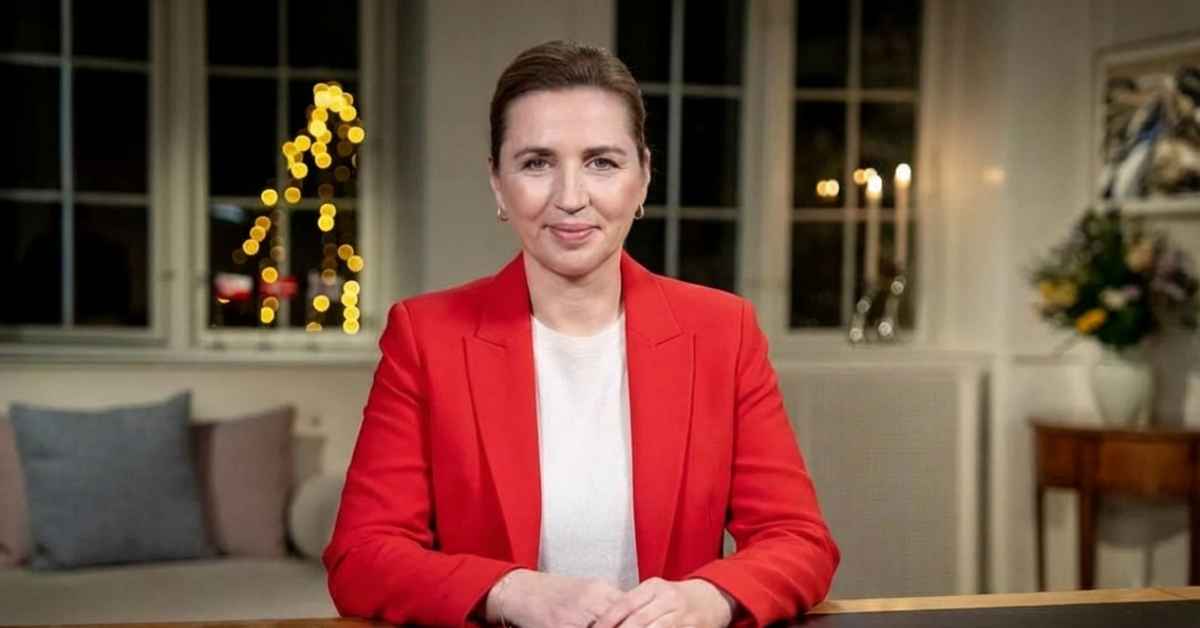
Denmark’s party leaders emerged from their first post-election debate Wednesday morning without a clear path to government, exposing deep divisions over who should lead the country and on what terms. While the clash clarified little about coalition prospects, it confirmed one crucial outcome: Prime Minister Mette Frederiksen will likely be tapped first to attempt government formation, even as her route to power remains murky.
The Publicistklubben debate, held hours after election results showed a fragmented parliament, turned into a battlefield between the far-right Dansk Folkeparti and the centrist Moderaterne. Morten Messerschmidt extended an olive branch to Lars Løkke Rasmussen, proposing a blue bloc government with both parties as parliamentary support on opposite flanks. Rasmussen slapped it down.
This was predictable. Messerschmidt and Rasmussen have spent the campaign in open warfare, and nothing about Wednesday’s debate suggested reconciliation. TV 2’s political editor Hans Redder noted the obvious: Rasmussen is unlikely to settle for a supporting role when ministerial seats are on the table. The man does not do backbenches.
Frederiksen’s Red-Center Gambit
Frederiksen made her own move, declaring that the most realistic government consists of the red bloc parties plus Moderaterne. It was a bold statement to issue before the first royal consultation round, but tactically sound. By staking her claim early, she secured backing from Enhedslisten and Alternativet, ensuring their support when King Frederik assigns a royal investigator.
According to TV 2 analyst Camilla Stampe, this maneuver unites the left but reveals the underlying weakness: they lost seats and now depend entirely on Rasmussen’s mandates. Dreams of a broad coalition spanning multiple blocs took another hit. The math gives Frederiksen 84 seats, Rasmussen 14, and Venstre’s Troels Lund Poulsen around 72 or 73.
That makes Frederiksen the frontrunner for royal investigator. It does not make her the next prime minister.
The Economic Policy Chasm
The fundamental obstacle is economic policy. Redder pointed out what everyone knows but few want to say plainly: you cannot build a government on the backs of Enhedslisten’s economic vision if Lars Løkke Rasmussen holds the deciding votes. These two politicians have been ideological enemies for three decades. Finding common language for a coalition agreement will require linguistic gymnastics worthy of a UN resolution.
Enhedslisten wants wealth redistribution, expanded welfare, and aggressive climate spending. Moderaterne built their brand on fiscal restraint and market-oriented reform. Per Redder, the question is what words could possibly appear in a governing document that satisfies both. Maybe they can agree on green policy. Maybe. But budgets and taxation will be brutal.
TV 2 analyst Morten Nielsen put it more bluntly. Before the debate, forming a government looked difficult. Now it looks nearly impossible. The party leaders will have to swallow some very large frogs if they want to deliver on campaign promises while actually governing together.
Messerschmidt’s Calculated Risk
Messerschmidt’s outreach to Rasmussen was interesting precisely because it was doomed. He knows Rasmussen will not accept second-tier status. But the offer served another purpose: it positioned Dansk Folkeparti as reasonable and willing to compromise, while making Moderaterne look rigid. In the court of public opinion, that matters.
It also keeps pressure on Frederiksen. If she cannot strike a deal with Rasmussen, and if the blue bloc remains splintered, Denmark could face weeks of stalemate. Messerschmidt benefits from chaos. His party thrives when mainstream politicians look ineffectual.
What the Debate Revealed
Hans Redder noted that while the debate did not clarify which government will emerge, it did reveal how the royal consultation rounds will unfold. Frederiksen commands the most support, followed distantly by Rasmussen and Poulsen. That sequence determines who gets first crack at coalition talks.
But initial advantage does not guarantee success. Denmark has seen royal investigators fail before, passing the baton to another party leader who assembles an unexpected alliance. The fragmented result makes every scenario plausible and none easy.
Camilla Stampe observed that the leaders were profoundly divided on fundamental questions. This was not a debate about policy details. It was about competing visions for Denmark’s direction, with no middle ground visible. When politicians cannot even agree on the framework for discussion, actual governance becomes theoretical.
I have covered Danish politics long enough to recognize when the system is stuck. This is one of those moments. The election delivered a result that satisfies no one and empowers everyone just enough to veto everyone else. Frederiksen will likely get her chance to try. Whether she can thread the needle between Enhedslisten’s demands and Moderaterne’s red lines is the question that will define the next several weeks.
Nielsen’s assessment stands. What looked difficult now looks nearly impossible. But impossible is not the same as impossible. Denmark has pulled off surprising coalitions before. Just not often, and rarely this quickly.
Sources and References
The Danish Dream: Denmark’s Leaders Clash in High-Stakes TV Debate
The Danish Dream: Mette Frederiksen’s Make or Break New Year’s Speech
The Danish Dream: Denmark’s Shocking Election Could End Political Stability
TV2: Her er eksperternes dom over den første partilederdebat efter valget