The think tank Ember says Denmark’s rapid switch to electric cars has displaced almost 2 billion kroner worth of oil imports during the first six months of the Iran war.
Since the war between Iran and the United States broke out on February 28, 2026, Danes have switched to electric cars so quickly that nearly DKK 2 billion in oil imports have been avoided. The figures come from Ember, a think tank focused on the green transition, and were reported by DR on October 18, 2026. DR links the surge to the war and the closure of the Strait of Hormuz.
The saving has mostly landed with the car owners who traded a petrol or diesel car for an electric one. That is according to Mogens Fosgerau, professor of transport economics at the University of Copenhagen, who told DR the sums are large in ordinary household budgets. He also noted that the state has lost revenue, because electric cars are not taxed in the same way as fossil-fuel cars.
Denmark tops Europe on oil displaced
According to Ember, Denmark leads on the transition. In the six months after the war began, the Danish electric-car fleet grew by an amount equal to 13 percent of the country’s 2025 oil imports, or roughly 6.4 million barrels of oil left unimported. Working from Ember’s numbers, Fosgerau found that only Norway has seen a larger per-capita effect from electric cars.
Ember’s own analysis, published October 14, 2026, covers March to August 2026. It estimates that electric-car fleets in oil-importing countries displaced 200 million barrels of crude worth 20 billion dollars over those months. Ember states that Denmark was Europe’s clear frontrunner when displacement is measured against national oil consumption.
The analysis rests on Ember’s new monthly electric-vehicle sales tracker, which covers 56 countries. As noted by The Duck Curve, the Danish figure is modeled oil displacement rather than a customs tally. The outlet puts the six-month value at about 290 million dollars and notes the calculation does not subtract fuel used to generate electricity.
DR’s figures also show wide differences inside the EU. Denmark has cut its oil dependence with seven times the per-capita effect of the EU average. The Driven places the Danish 13 percent figure in an international comparison and reports a 79.8 percent fully electric share of new car sales over the preceding 12 months.
Why Danish drivers switched so fast
Fosgerau told DR that part of the explanation is tax. Denmark taxes fossil-fuel cars relatively heavily compared with many other countries, chiefly through the registration tax known as registreringsafgift. Because electric cars have been spared that tax, the discount has been large enough to make them competitive with petrol models, per Fosgerau.
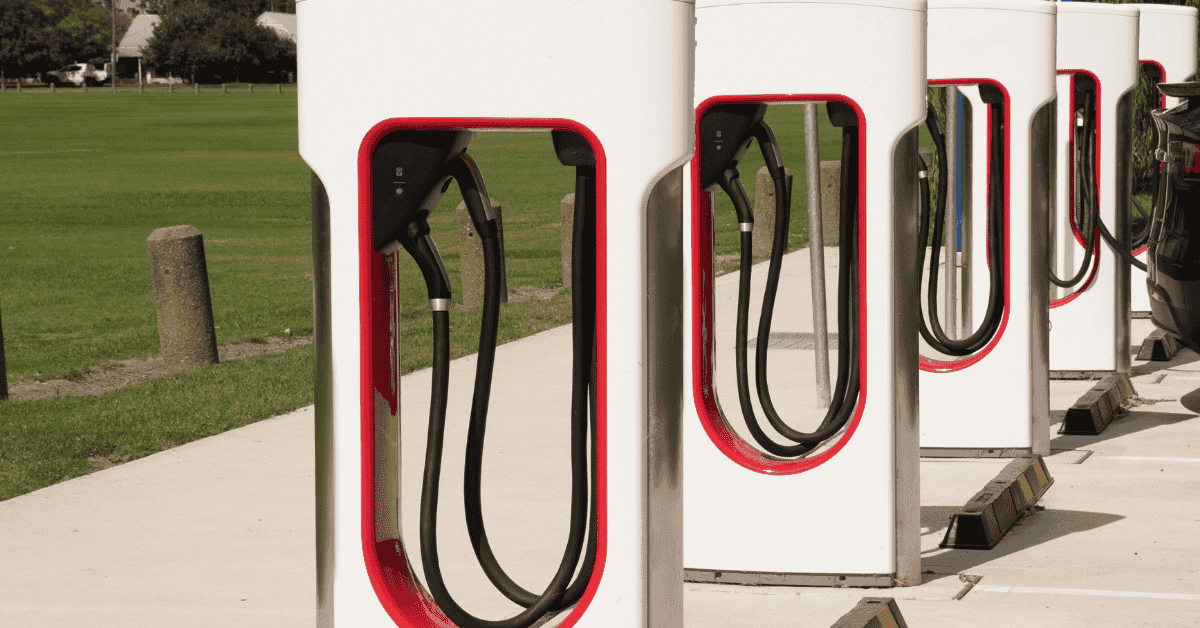
That same design is why the shift costs the state money. Fosgerau said more electric cars is not good business for the treasury, since the vehicles are not taxed like petrol and diesel cars. Charging infrastructure has also expanded, with new fast chargers rolled out across the country.
What Denmark’s car taxes mean for foreign residents
Anyone buying a car in Denmark pays registreringsafgift, a one-time registration tax applied when a vehicle is first plated here. As Fosgerau explained to DR, that tax is high on petrol and diesel cars and has been heavily reduced for electric ones, which is what changed the total cost of owning a car for many households.

For internationals weighing a first car purchase, the sourced takeaway is narrow. Ember’s numbers describe fuel costs avoided across the national fleet, not a guaranteed saving for any individual driver, and The Duck Curve stresses the estimate is modeled. Neither DR nor Ember reports any decision to change Danish car taxation in response, so what the lost state revenue means for future rates is not yet known.