Danish grid companies switch from summer to winter electricity tariffs on October 1, raising the cost of transporting power through the grid during the busiest evening hours.
The change means the time of day matters more for what households pay to get electricity delivered to their homes, DR reports. The winter tariffs take effect on October 1 and run until the end of March 2027.
Tariffs are the charge for transporting electricity through the grid, and they vary across the day. They are higher when the load on the grid is greatest, according to DR.
Green Power Denmark states in a press release that the winter half of the year naturally puts more pressure on the grid. More lights are switched on, people spend more time indoors, and heating is turned up.
The evening hours are the expensive ones
The most expensive period is generally between 17:00 and 21:00, when electricity use is highest, Politiken reports. In the tariff example cited by the newspaper, the lowest-load period from midnight to 06:00 remains at 11 øre per kWh.
According to Green Power Denmark, the purpose of the differentiated tariffs is to get consumers to move some of their consumption away from the busiest hours. That matters because the raw electricity price itself can also swing sharply from hour to hour.
September was the priciest month since 2022
Norlys states in a press release that September ended as the most expensive month for Danish electricity customers since December 2022. The raw price averaged 1.05 kroner per kWh in western Denmark and 1.07 kroner in eastern Denmark.
That average hides large hourly variation, DR notes. Norlys reports that the single most expensive hour of the month reached 5.50 kroner per kWh in western Denmark and 5.40 kroner in eastern Denmark. There were also hours when power cost close to zero.
The electricity company OK writes that on Saturday, September 19, there were around 15 consecutive hours with an electricity price of essentially zero kroner. The swings ran in both directions through the month.
What the winter tariffs mean for internationals in Denmark
A Danish electricity bill is not one single price. It combines the raw price for the power itself with tariffer, the transport charges set by the local grid company, plus taxes. The tariff rates that change on October 1 cover electricity transport, not the power you buy from your supplier.

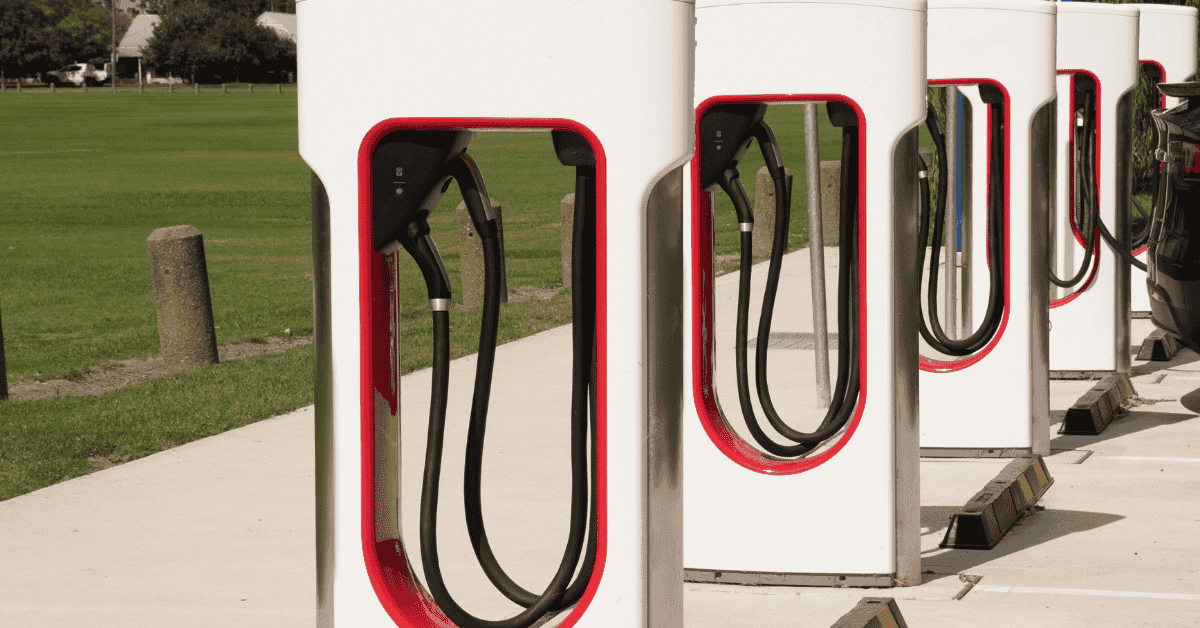
In practice, this affects routines that many new arrivals settle into quickly. DR points to the habit of starting the washing machine after work, charging an electric car after dinner, and running the dishwasher before bed. Those hours fall inside or close to the 17:00 to 21:00 window that Politiken identifies as the most expensive, and the higher winter rates stay in place until the end of March 2027.
For households budgeting through the Danish winter, the change adds a seasonal layer to the cost of living in Denmark. Green Power Denmark states that the tariff structure exists precisely to shift consumption out of peak hours, while Norlys figures show the raw price can drop to near zero in some hours. Exact tariff rates differ by grid company, and DR does not list rates for every area.