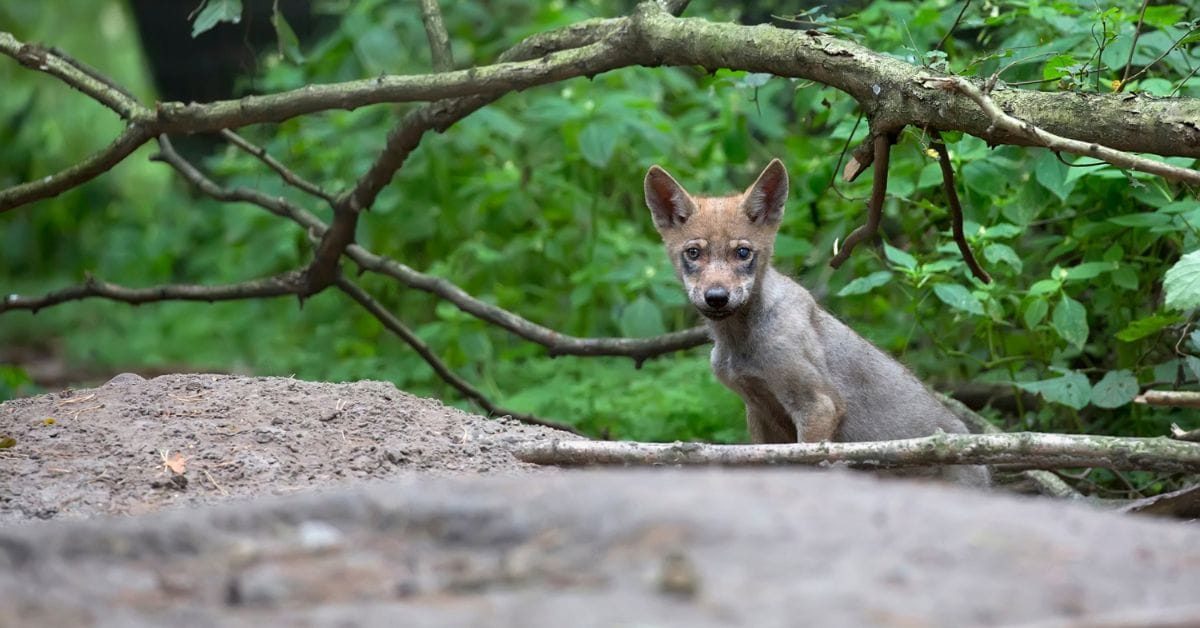
At least 61 wolf pups were born in Denmark during 2026, according to a new population assessment from the Natural History Museum Aarhus and Aarhus University.
The figures were published on September 24 and reported by DR. The assessment also shows that wolves have settled in more locations in Jutland than before.
Researchers say the real number of pups is probably higher. In some territories only two pups were recorded, and wolf families typically have more, according to Kent Olsen, senior researcher at the Natural History Museum Aarhus.

According to Politiken, the preliminary status records 11 wolf packs with pups, two wolf pairs without documented pups and two lone male wolves. As reported by Videnskab.dk, the 61 pups are spread across those 11 packs, against 45 pups in seven litters in the 2025 breeding season.
New territories named in the assessment are Estvad, Dejbjerg and Renbæk. Pups have been observed in Estvad and Dejbjerg. Berlingske reports that wolves have been documented at a minimum of 15 locations in Jutland, with further possible sites still to be investigated.

Population expected to keep growing
The researchers point to several suitable habitats that are not yet occupied by packs, including Djursland and Thy. They also note that the food base is not weakening, as red deer numbers are growing quickly in many of the areas where wolves live.
Olsen said the population is expected to grow in the coming years. According to him, that is not a cause for concern, but it requires adaptation, particularly in relation to livestock. Rising wolf numbers have been documented in Jutland in recent years.

The adult wolf population was calculated at 49 in the spring of 2026. Olsen stressed that the 61 pups cannot simply be added to that figure when the population is counted again next spring. Some wolves leave the country, some are killed in traffic, and some disappear through what the researchers call cryptic mortality, which includes illegal shooting.
On that basis, the researchers currently estimate that the spring population will reach 77 wolves. TV 2 notes that the monitoring year runs from May 1 to April 30, and that the 2026 figure may rise as more data are collected.

The assessment follows earlier reports of a peak of wolf pups in Denmark and the authorities’ wolf management plan. Wolf monitoring in Denmark is carried out by the Natural History Museum Aarhus together with Aarhus University.