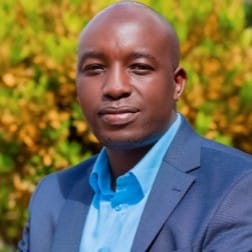
The chair of Danske Gymnasier, Maja Bødtcher-Hansen, says Danish students grind to a halt when asked to read long, difficult texts, following the country’s weakest PISA results to date.
DR reported on September 9 that Bødtcher-Hansen recognizes the conclusions of the newest PISA study. She is both chair of Danske Gymnasier and rector of Frederiksberg Gymnasium. Speaking to P1 Morgen, she said students stop when they are handed a long and difficult text.
According to Bødtcher-Hansen, young people have not become less intelligent or worse at learning. What they lack, she said, is the ability to sit with something for a longer time and concentrate when it is hard. She added that schools must insist that students can read longer texts, even when the work is tedious.

The PISA study tests 15-year-olds in mathematics, reading and science. Per DR, reading scores took the sharpest fall in the newest round. Almost 70 percent of the tested students continue into a gymnasial education after folkeskole.
TV 2 reported on September 8, 2026 that Danish school students performed historically poorly, with the lowest results ever measured in all three areas. As stated by the Ministry of Children and Education, students scored 460 points in reading, 471 in mathematics and 478 in science. All three figures are significant drops compared with 2022.

Responsibility with schools and parents
Bødtcher-Hansen places the responsibility with both the folkeskole and the gymnasium. She points in particular to parents. Time is now spent on things that were not done in the past, she said, and she considers that a challenge.
DR also reports that the group of students rated as low performing has grown in this year’s study. It is now between one in three and one in four students in Denmark who fall into that category. Asked what should be done, Bødtcher-Hansen said the answer is certainly not less teaching.

The decline is not limited to Denmark. Results also fell in many other countries, including the Nordic countries that Denmark normally compares itself with. Denmark is still the Nordic country where results dropped the most since the previous PISA study in 2022.

Bødtcher-Hansen said young people can do other things than she herself could at the same age. She described them as very knowledgeable about the wider world, quick to familiarize themselves with new material, curious and good at working together. It should not sound as though they have been lost entirely, she said.
What is missing, according to her, is getting students to sit down and concentrate for a long time on something difficult. She said the basic skills must be learned. The full interview is available in the P1 Morgen broadcast from September 9, 2026.