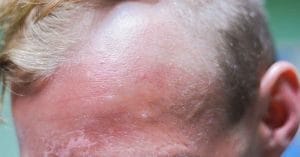
Monthly prescription cream costs for rare skin conditions can be very high, but whether a Danish municipality pays depends less on medical need than on how officials classify the product under Danish law.
In Denmark, some patients with severe chronic skin conditions rely on high-fat medical creams every day to prevent skin breakdown, bleeding, and serious infection. Yet municipalities routinely refuse to fund these treatments, classifying them as ordinary consumer goods rather than disability-related aids. The dispute exposes a structural fault line in Denmark’s welfare state, where the legal category assigned to a treatment can determine whether a patient faces catastrophic out-of-pocket costs.
The legal grey zone trapping patients
Denmark’s health system divides responsibilities between two levels of government. According to official guidance from Social- og Boligstyrelsen, regions fund hospital care and prescribed medicine, while municipalities handle long-term support and disability-related expenses. When a treatment falls between those categories, patients can be left to pay entirely out of pocket.
Danish law allows municipalities to fund extra daily living expenses under Social Services Act section 100, but only for people with significant and permanent functional impairment. According to the official guidance on Serviceloven section 100, ordinary hygiene and skincare products are normally excluded unless they are documented as indispensable to prevent major functional loss. Municipalities apply this distinction strictly. When a patient can still work or study, some authorities conclude that functional impairment is not sufficiently significant, even when hospital specialists describe treatment as clinically necessary.

According to Ankestyrelsen, Denmark’s national social appeals board, roughly 35 to 40 percent of municipal decisions appealed under section 100 were overturned or changed in favor of citizens in 2023, up from around 25 percent in 2018. As reported by Ankestyrelsen case data, disputes involving creams, bandages, and bathing aids for skin conditions rose from around 60 cases in 2018 to over 110 in 2023, an increase of approximately 80 percent.
Cost gap between pharmacy and retail
The financial stakes are substantial and also reveal procurement inefficiencies. According to hospital pharmacy pricing data, a standard 500 gram tub of prescription emollient cream compounded at a hospital pharmacy can cost as little as 90 to 120 kroner in raw ingredients and production. The same volume supplied as a branded high-fat cream via retail channels typically exceeds 300 to 350 kroner. Municipal refusal to fund what they call special cream is often a choice about procurement route rather than underlying treatment cost.
For patients with conditions requiring intensive daily application, optimal treatment can cost 4,000 to 5,000 kroner per month. According to Statistics Denmark, average household monthly spending on medicinal and therapeutic products stood at approximately 170 kroner per household in 2023, up 26 percent from 2018. That makes intensive skin treatment costs roughly 25 to 30 times the national household average for this category.

Per capita spending on disability-related benefits varied significantly across Denmark in 2023. According to municipal budget analyses, low-spending municipalities allocated about 3,500 to 4,000 kroner per inhabitant, while high-spending ones exceeded 6,000 kroner, a difference of roughly 70 percent. Where you live shapes whether chronic treatment costs are absorbed as active disability policy or pushed back onto the individual.
Harder for internationals to navigate
Foreign-born residents face additional barriers. According to health surveys cited in national research on migrants’ access to social benefits, about 24 percent of foreign-born residents in Denmark report difficulty accessing or understanding information about entitlements, compared to 14 percent among native-born Danes. Official guidance on section 100 and aids under the Social Services Act is primarily available in Danish. Patient organizations increasingly provide English-language summaries and letter templates, but the legal distinction between regional medical products and municipal aids remains difficult to navigate for non-Danish speakers.
According to Statistics Denmark, about 19 percent of recipients of section 100 extra expense benefits had non-Danish origin in 2023, slightly above their share of the population. That suggests internationals are present in the system but likely underclaim benefits or withdraw after initial refusals due to language and procedural complexity.

According to Eurostat, Denmark’s out-of-pocket spending on medical goods per capita was approximately 430 euros per year in 2023, compared to 310 euros in Sweden and 260 euros in Germany. Despite Denmark’s reputation for universal healthcare, citizens pay significantly more from their own pockets for medical products than residents in several neighboring countries.
What patients can do
Affected individuals can challenge municipal refusals through a structured appeals process. According to official guidance from Social- og Boligstyrelsen, appeals must normally be lodged within four weeks of the decision. Successful appeals often hinge on medical statements that explicitly describe functional limitations rather than symptoms alone. Dermatologists increasingly revise documentation using social law language, specifying hours spent on care and listing concrete consequences of undertreatment such as inability to perform self-care or maintain employment.

Some patients have reduced reliance on municipal support by shifting part of the cream regimen to hospital pharmacy. In documented cases for severe ichthyosis and eczema, hospitals have compounded high-fat creams and covered them as treatment under regional budgets. Legal aid organizations and migrant counseling centers in larger cities offer free assistance in English for navigating municipal decisions and appeals.
This dispute underscores that universal healthcare in Denmark still requires navigating a complex legal and administrative landscape, often primarily in Danish. Access to what a doctor calls necessary treatment can depend on how well the patient and their doctor speak the language of social law. For patients with rare skin conditions, the welfare state’s promise meets its limit at the border between medicine and moisturizer.