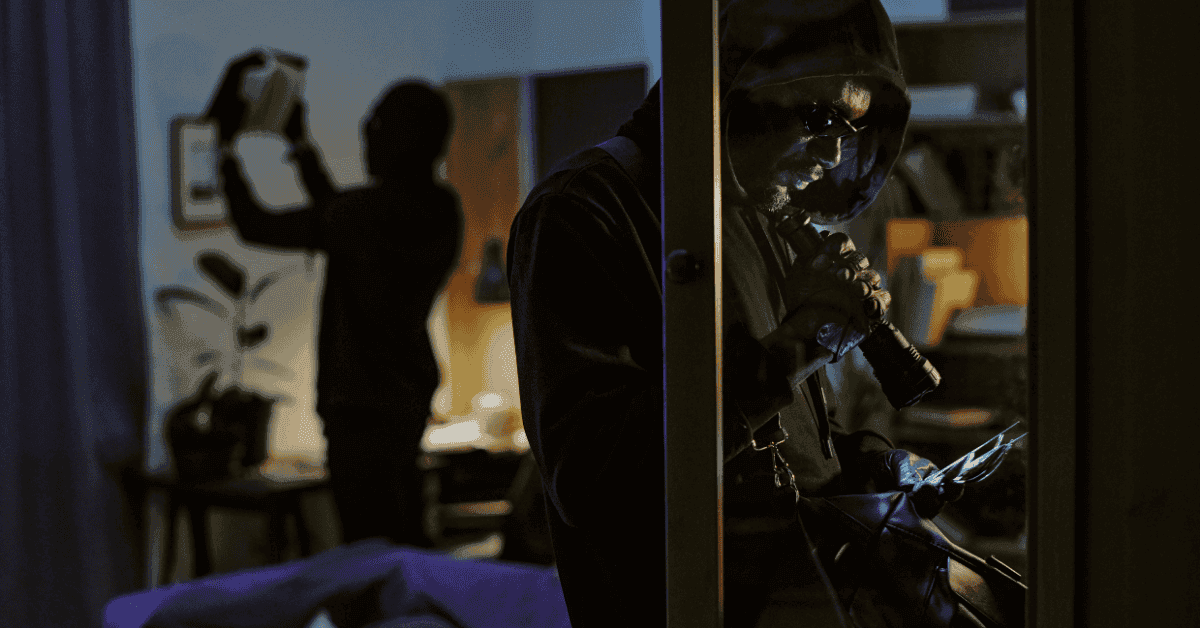
Denmark’s trust-based farm shops and honesty stalls face recurring theft and non-payment, yet incidents are largely invisible in official statistics, and the government’s 2025/2026 legislative agenda contains no specific initiatives targeting theft from rural micro-retail or honesty stalls.
Denmark presents itself as a high-trust society where unmanned farm stalls and honesty boxes thrive. The reality is more complicated. According to Social- og Boligstyrelsen’s mapping of social enterprises, trust-based rural outlets report significant unreported shrinkage that operators handle as a cost of doing business rather than a criminal matter. Meanwhile, the government’s 2025/2026 legislative agenda targets welfare fraud, illegal residents, and institutional abuse, but contains no specific, dedicated initiatives for petty theft affecting countryside businesses.
The pattern is consistent. Social- og Boligstyrelsen’s mapping of socialøkonomiske virksomheder found that trust-based social enterprises face significant unreported non-payment, rarely reported to police or insurers. These losses do not appear distinctly in Rigspolitiet crime statistics because there is no separate category for honesty stalls. As Statistics Denmark’s criminal offence data show, reported incidents are recorded only under general theft categories, so trends specific to honesty stalls cannot be tracked.

The legal gap facing honesty stall operators
Stealing from an honesty box is legally straightforward theft under Straffeloven section 276. But some rural micro-businesses may operate below the 50,000 kroner VAT registration threshold, as confirmed by SKAT guidance, which can limit formal accounting and the ability to document losses. For internationals running hobby farms or roadside stalls, the mismatch between Denmark’s reputation and the practical need for cameras, frequent cash collection, and clear signage can be jarring.
Statistics Denmark publishes data on self-employed people with foreign origin across industries, indicating a growing number of internationals active in agriculture and small retail. More internationals are therefore exposed to these risks. No official data tracks crime specifically by victim origin, and Danish authorities do not publish detailed victimization breakdowns at individual origin level.

Where policy attention goes instead
The government’s 2025/2026 programme, as set out by Statsministeriet, promises to make Denmark safer. It introduces tougher penalties for grooming, stalking, and psychological violence. It strengthens controls on foreigners without legal residence. According to Socialministeriet’s 2026 news archive, a bill sent to hearing in early 2026 targets fraud and neglect in social care facilities. None of these initiatives addresses honesty stalls.
The programme does not contain specific provisions targeting theft from trust-based or informal rural retail. General criminal law already covers petty theft, but formal sectors continue to receive bespoke protections. The contrast illustrates a clear priority: high-stakes institutional fraud attracts dedicated legislative resources, while petty theft from informal setups does not.
The trust narrative under pressure
Rural and social-economy groups warn that unaddressed theft erodes the trust Denmark markets to tourists and newcomers. According to Social- og Boligstyrelsen’s mapping, trust-based social enterprises face significant unreported shrinkage treated as an operating condition rather than a criminal matter. For thin-margin stalls, especially those run by internationals without local networks, even modest theft levels can affect survival.
According to Eurostat and OECD social capital data, Denmark consistently ranks among EU countries with the highest levels of generalised trust. Yet Danish legal and statistical systems treat all theft alike, without acknowledging honesty stalls as a distinct risk category. Denmark’s decentralized micro-retail model leaves operators relying entirely on generic legal and insurance tools.

What honesty stall operators can do
Practical options exist but require effort. Operators should document stock and payments for both tax compliance and police reports. Household insurance policies may exclude unattended outdoor cash boxes, so checking coverage and adding business or contents protection if needed is advisable. Mobile payment only setups, frequent cash collection, motion cameras, and clear signage all reduce exposure. Theft can be reported via politi.dk or in person, but without documentation, it is harder for police and insurers to act effectively on the report.
For internationals, borger.dk and skat.dk offer English-language guidance on starting businesses and tax thresholds. Local agricultural advisory services provide phone support, though mostly in Danish. Joining a business association can open access to insurance advice and collective lobbying. The gap between Denmark’s high-trust reputation and the need for basic risk management remains. Until policymakers develop specific initiatives, honesty stall operators must rely on existing generic tools and their own preparation.