In a Copenhagen neighbourhood where around two-thirds of residents are immigrants or descendants from non-Western countries, well above both the Copenhagen and national averages, Tingbjerg Skole has become an unlikely test case for whether Denmark’s most ethnically concentrated estates can break the link between postcode and life chances.
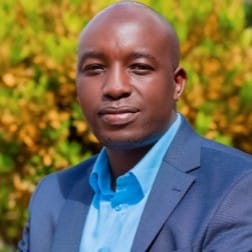
A new book by former school leader Thomas Geuken chronicles eleven years at Tingbjerg Skole in northwest Copenhagen. The timing is pointed. As Denmark expands the use of mandatory national tests across primary schools, Tingbjerg offers a counternarrative to the debate over who is to blame for struggling schools. The estate remains one of the country’s most socially burdened. Almost all of its housing has historically been non-profit social housing. Local incomes are substantially below the Copenhagen average.
Yet the school managed a turnaround under sustained leadership. Reviewers in Folkeskolen call it a role model. The question is whether the model transfers, or whether Tingbjerg enjoyed unusual advantages that other vulnerable schools lack.
A demographic outlier even by Copenhagen standards
According to official statistics, Tingbjerg parish recorded around 6,236 residents in early 2022. About 68.5% were immigrants or descendants from non-Western countries, making it one of the parishes with the very highest such share in Denmark. According to Statistics Denmark, immigrants and descendants of non-Western origin made up around 10% of the national population as of 2024, placing Tingbjerg well above both Copenhagen and national norms.

Those figures place Tingbjerg at the top tier of ethnic concentration across urban Denmark. According to the Sincrony research project at Aalborg University, Tingbjerg parish recorded the highest proportion of immigrants and descendants among all parishes in Denmark in 2020. The estate was built between the 1950s and early 1970s as modernist public housing, sitting on Copenhagen’s northwest fringe and separated from older neighbourhoods by green wedges and major roads. For decades it has appeared on official government lists of vulnerable housing areas and so-called parallel societies.
Employment rates in Tingbjerg and nearby housing estates are significantly below the city average, according to the Sincrony project. Local pupils face higher-than-average risk of not meeting the grades needed for upper secondary school.
New housing to dilute the social mix
Copenhagen and housing associations approved a large redevelopment plan in recent years. Around 1,000 new private and co-operative apartments are planned on top of roughly 2,200 existing social housing units, increasing the housing stock by approximately 40 to 50%, according to urban development studies cited by the Sincrony project.

The goal is to move from an almost entirely social housing estate toward a more mixed area where social units make up roughly two-thirds of the stock. Proponents say it avoids the demolition-heavy approach used in other districts. Critics warn that new private housing will push up rents and pressure low-income families to leave, a subtler form of displacement.
Denmark’s ghetto legislation, tightened in 2018, sets numerical thresholds for non-Western residents and low-income households. Areas exceeding these thresholds can be required to reduce their share of social housing by 2030. Tingbjerg was among the estates affected by these rules, though it has more recently been removed from some official vulnerable area lists as indicators improved.
The school as anchor
Tingbjerg Skole became the centrepiece of local regeneration efforts. According to the publisher Plenum and Skolelederforeningen, Geuken led the school from 2013 for around 11 years, an unusually long tenure. He strengthened Danish language instruction, built staff continuity, and linked the school to broader social initiatives. Folkeskolen reviewers describe the process as lifting the school from a problem site to a role model, a framing that also raises questions about replicability.

Public schools in high-immigrant areas receive more funding for Danish-as-second-language support under standard folkeskole regulations. In Tingbjerg’s catchment, a large majority of pupils are bilingual, far above the Copenhagen and national averages. That intensive language provision is a structural advantage, but it also reflects the concentration of need.
Critics note that Tingbjerg benefited from stable political backing and a high-profile spotlight. Most struggling schools lack those conditions. Educational unions warn that transformation stories risk over-personalising success and underplaying chronic issues like funding levels and staff shortages across the system.
What internationals should know
For expat families in or near Tingbjerg, the local school is the default option under Copenhagen’s catchment rules. Parents can request placements elsewhere, but priority goes to local enrolment. The municipality provides extensive Danish-as-second-language support, and the school has a track record of improving outcomes under long-term leadership.

Tenants in social housing can participate in residents’ meetings and vote on local boards that decide renovation projects and rent levels. Copenhagen runs neighbourhood secretariats in vulnerable districts where non-Danish residents can give input on development plans and public services. Engaging with these channels matters, especially as the redevelopment proceeds and the social mix shifts.
The broader context is one of housing affordability pressure. OECD and national data show substantially higher housing prices in Copenhagen than the national average. Estates like Tingbjerg offer relatively low rents within reach of the city centre. As new private housing arrives, that affordability may narrow.

Tingbjerg’s demographic composition makes it an outlier even within Denmark’s most diverse city. As the Sincrony project notes, no other Danish parish recorded a higher share of immigrants and descendants. The estate’s experience tests whether intensive school investment and physical regeneration can overcome the stigma and structural disadvantage that come with such extreme concentration. The book offers an insider account. The data show just how steep the starting conditions were.