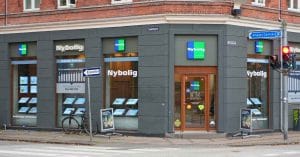
In Copenhagen, thousands of children aged 0–5 attend day-care institutions located within a short walk of secondary schools, placing them close to student truck routes and illegal fireworks every June, according to a proximity analysis combining Danmarks Statistik daycare geo-data with the municipal school address register.
Danish student celebrations have always been loud. But this June, the explosions are landing inside the fence. Parents across Copenhagen are posting videos of toddlers fleeing playgrounds as kanonslag detonate meters from nap rooms and sandboxes. Parents in Copenhagen report children crying and hiding as blasts echo off courtyard walls during afternoon rest time.
The problem is structural. According to an analysis of Danmarks Statistik data by CEPOS, around 81% of Danish children aged 0–5 are enrolled in formal childcare, one of the highest rates in Europe and the Nordic region. In dense cities like Copenhagen, many day-care institutions are located in ground-floor premises on busy streets, often near schools. When student trucks roll out each June, routes can pass close to kindergartens during opening hours, including nap times, according to parents and staff.

From Tradition to Threat
Student truck celebrations have existed for decades. What has changed is the weapon. Despite rules that restrict legal fireworks sales and use to the New Year period, police and safety authorities report illegal possession and misuse of powerful fireworks, including kanonslag, at other times of year. They are no longer just tossed at trucks by kids looking for mischief. Parents in Copenhagen report incidents where kanonslag have landed inside daycare courtyards during student celebrations, forcing staff to evacuate children indoors.
Berlingske described multiple attacks on student wagons in a single Copenhagen weekend in 2024, and B.T. framed the attacks as a troubling tradition. Local Facebook groups tell a parallel story. One post in the group NEJ TIL VANVITTIGT FYRVÆRKERI VED STUDENTERFEJRINGER demands authorities crack down on those who throw explosives into spaces filled with frightened children.
A Legal Grey Zone
Danish fireworks law prohibits use outside New Year and bans anything that endangers people or property. Student season kanonslag are almost certainly illegal. Yet police treat sporadic incidents as low priority compared to violent crime. Municipalities approve truck routes, and parents say proximity to daycare institutions is often not taken into account. Information about student truck schedules is typically communicated in Danish, leaving many non-Danish-speaking parents reliant on neighbourhood chats to understand when the noise will start.

The Day Care Act, known as Dagtilbudsloven, requires municipalities to ensure a safe physical and psychological environment for children, according to Retsinformation.dk. The law does not explicitly address external explosions or fireworks, and municipalities have not issued national-level guidance on student-season noise near institutions. There appear to be no Danish studies specifically on acute psychological effects of unexpected fireworks near daycare institutions. Advocates rely on general pediatric research, including WHO noise guidelines, showing that sudden impulses above 120 decibels can cause pain and hearing damage, especially in toddlers whose ears are more sensitive and who cannot brace for the blast.
Why This Matters for Expats
Available integration data suggest many international families rely on municipal day-care, especially in big cities, which may place their children in centrally located institutions near busy streets. Information about student truck schedules is typically in Danish, leaving non-Danish-speaking parents dependent on informal networks. There is no publicly available national rule requiring municipalities or schools to notify daycares of student truck schedules. Many parents first learn about the tradition when their child comes home upset or when staff describe having to shepherd screaming toddlers inside.

Denmark is among the Nordic countries where children start institutional childcare earliest. According to CEPOS, citing Danmarks Statistik, in 2016 enrolment of infants in formal daycare was very low in Sweden, while Denmark had a non-zero share of infants already in vuggestue. That early start means more babies are in group settings during public celebrations. For families from countries where fireworks are tightly restricted or where childcare is home-based, the Danish arrangement can feel bewildering and unsafe.
What Parents Can Do
There are levers. Student trucks require municipal route approval. Parents can demand routes avoid specific streets during daycare hours, especially nap windows between 12:00 and 14:00. Under Dagtilbudsloven, each institution must conduct regular child environment assessments. Repeated loud explosions can be documented as a risk factor and escalated to the municipal children and youth department.

Complaints can be filed through the municipal citizen portal or directly with the local police district, citing the fireworks regulation. Parent boards at institutions have formal standing under Dagtilbudsloven to write collectively to schools and authorities requesting protective measures. Large municipalities and borger.dk provide some guidance in English on daycare rights, and many offer phone support where you can ask for an English-speaking staff member or interpreter. Non-Danish speakers should ask for an interpreter if calling or attending meetings.
According to FOA and Bureau 2000 analyses, a documented shift from home-based dagpleje to larger institutions over the past decade means more children are in bigger, shared playgrounds rather than small home gardens. In cities, many new daycares are placed in ground-floor premises close to transport and schools to meet demand quickly. That same convenience puts toddlers within earshot and blast radius of celebrations that were never designed with their safety in mind. The law exists. The procedures exist. What is missing is enforcement and willingness to adjust a beloved tradition when it crosses the fence.