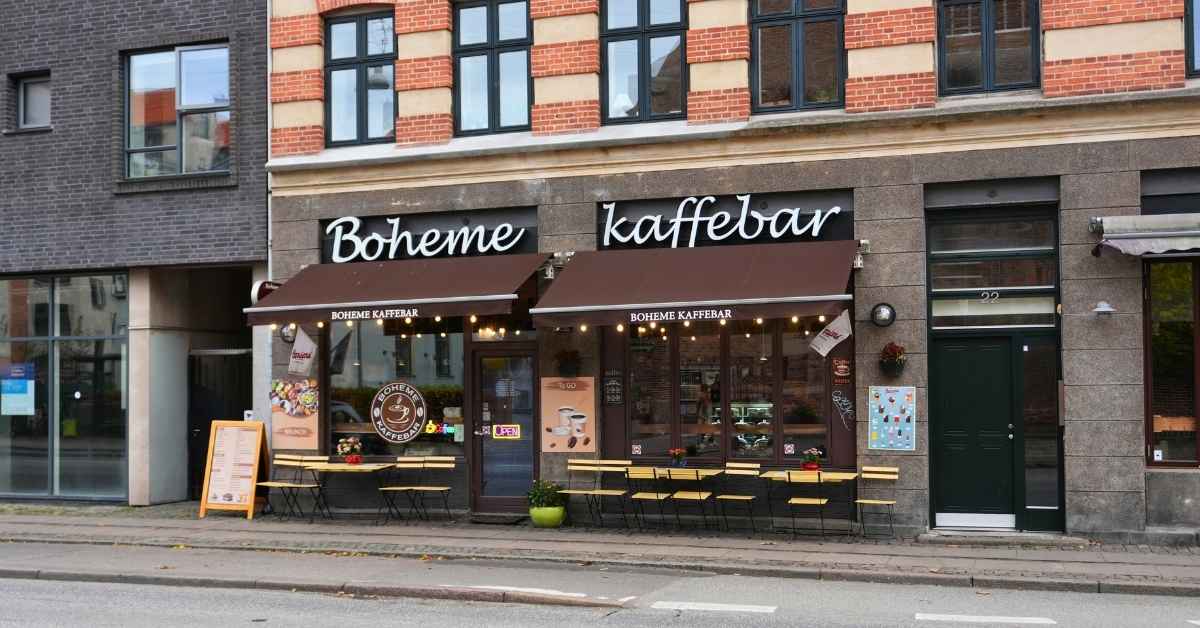
A Copenhagen café owner’s viral moment serving The Weeknd highlights a hospitality sector where foreign nationals now own or run businesses generating over DKK 5.3 billion in turnover and account for more than one in four jobs in the capital region.
The story of a Copenhagen café suddenly thrust into global attention after serving drinks to an international superstar sounds like pure luck. But the economics behind that viral moment reveal a hospitality sector increasingly dependent on international owners, workers and customers.
Copenhagen café and restaurant businesses owned by foreign nationals generated over DKK 5.3 billion in turnover in 2024. They employed more than one in four workers in the capital region’s hospitality sector according to company register and employment statistics. That structural reality rarely appears in the lifestyle coverage of celebrity sightings.
The Exposure Economy
When The Weeknd bought chai lattes in bulk from a local café during his recent stay, the owner gained instant international visibility. That kind of exposure now functions as formal tourism strategy. Wonderful Copenhagen’s official metrics show international media reach increased from about 1.2 billion potential impressions in 2018 to over 3 billion in 2023.

The shift is deliberate. City tourism authorities moved away from mass tourism toward “quality tourism” emphasising gastronomy and niche experiences. Celebrity visits and social media virality are now tracked as measurable branding tools.
International overnight stays in the Capital Region reached about 10.5 to 11 million in 2023, up from around 9.7 million in 2019. Copenhagen Airport handled roughly 28 to 30 million passengers in 2023. Those tourists need somewhere to sit and drink coffee.
Who Serves the Drinks
The workers behind the counter are overwhelmingly international. Non-Danish citizens make up roughly 35 to 40 percent of all employees in Denmark’s hotel and restaurant sector. That compares with only 12 to 13 percent of the total labour force.

In Copenhagen and Frederiksberg combined, more than 45 percent of café and restaurant staff are foreign nationals. The share is even higher in central neighbourhoods where viral moments like this one tend to happen. For many young internationals, hospitality provides one of the few entry points into the Danish labour market.
But operating margins in the sector remain thin. Statistics Denmark data show typical profit margins of 3 to 5 percent in accommodation and food service activities. That compares with 7 to 9 percent across Danish business sectors overall. A single week of celebrity driven demand can therefore be financially significant for a small owner.
The Cost of Visibility
Commercial rents in central Copenhagen average above DKK 25,000 per square metre per year. Provincial towns pay under DKK 10,000. The number of cafés and restaurants in Copenhagen municipality increased by roughly 15 to 20 percent between 2016 and 2023. Competition is intense and differentiation through specialty drinks and social media presence matters more than ever.

For internationals living here, cafés often function as informal community hubs. They are also the first businesses hit when tourism falters or discretionary spending drops. COVID proved that point. Turnover collapsed and many small venues closed permanently.
Denmark’s hospitality sector has one of the highest rates of part time and temporary contracts in the EU. Around 45 percent of workers hold non full time contracts, comparable to Spain and Italy. For foreign workers on student visas, the 20 hour per week limit becomes a hard constraint even when viral attention creates pressure to work extra shifts.
What It Means in Practice
The tax authority expects full registration of increased revenues. Previous targeted campaigns in the hotel and restaurant sector flagged failures to report card payments correctly. For café owners riding a publicity spike, bookkeeping cannot lag behind social media buzz.
Foreign employees are entitled to the same minimum conditions as Danes under collective agreements. Sector agreements typically set hourly wages and specify supplements for evening and weekend work. But trade unions point out that underpayment and undeclared work remain more common in hospitality than in most other industries.
Restaurant and café prices in Denmark sit about 40 to 50 percent above the EU average and roughly 15 to 20 percent higher than Sweden. A standard specialty drink in Copenhagen costs DKK 45 to 60. That represents around 5 to 7 percent of an hourly after tax wage for a typical café worker. The gap between those serving and those buying the drinks is structural.
The Bigger Picture
When a global artist repeatedly buys the same local drink, it validates the lifestyle brand many internationals have invested in by choosing to live here despite high costs and a challenging language environment. But it also underscores how dependent that lifestyle has become on volatile tourism flows and social media algorithms.

Hospitality turnover in Denmark rose from about DKK 39 to 40 billion in 2019 to roughly DKK 47 to 50 billion in 2023. Employment climbed from around 120,000 to 135,000 to 140,000 in the same period. The sector now accounts for roughly 4.5 percent of total Danish employment.
The viral café moment is real. So is the foreign owned, foreign staffed, tourist dependent infrastructure that makes it possible. For internationals in Copenhagen, that infrastructure is both opportunity and vulnerability wrapped in a chai latte cup.