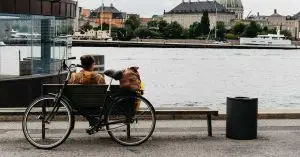
Copenhagen has been crowned the world’s happiest city in the latest Happy City Index, scoring 1,039 points ahead of Zurich and Singapore. But Danish analysts warn that sharp differences in wellbeing between neighbourhoods reveal a more complicated picture than the global headlines suggest.
The 2025/2026 edition of the Happy City Index places Copenhagen at number one globally, based on factors including safety, green spaces, social cohesion and access to services. The ranking assessed more than 250 cities worldwide and put Copenhagen in the gold category with the highest score on record. Several other Danish cities also made the top tier, including Aarhus, Aalborg, Odense and Esbjerg, reinforcing Denmark’s status as a wellbeing superpower.
For expats considering a move or already living here, the ranking confirms what many experience daily. Cycling infrastructure is excellent, violent crime is rare, and parks and waterfront are minutes away. Public transport works, childcare is subsidised, and schools are free. These are the structural advantages that push Copenhagen ahead of wealthier competitors like Zurich and Munich.

Yet the headline score masks something important. Local outlet Kobenhavnliv reported that happiness is unevenly distributed across Copenhagen’s districts. Residents in some outer or less affluent neighbourhoods report significantly lower satisfaction than those in central, wealthy areas. That divide matters, especially for newcomers who often end up in less desirable districts because housing in the centre is out of reach.
The expat reality behind the ranking
I have watched Copenhagen’s international reputation grow over the years. The city is regularly marketed as liveable, safe and family friendly. That branding works. It attracts students, highly skilled workers and trailing spouses who believe the hype about work life balance and Nordic welfare.
But the experience on the ground is more complex. Finding housing in Copenhagen is one of Europe’s toughest challenges. Rental prices have soared in recent years. Many expats spend months in temporary accommodation or accept flats far from the city centre. The Danish language barrier compounds the problem, as does navigating bureaucracy that assumes fluency in Danish.
Social integration is another pain point that happiness indexes rarely capture. Breaking into Danish social circles is notoriously difficult. Expats often describe a polite but distant culture where friendships form early in life and professional networks remain closed. The infrastructure for happiness exists, but access to it is not automatic.
What the index measures and what it misses
The Happy City Index weighs governance, mobility, environment, social infrastructure, safety and opportunities. Copenhagen scores highly on all these dimensions. Liveability rankings consistently place the city at or near the top globally. That reflects decades of investment in cycling paths, public transport, green urban planning and welfare services.
But aggregate scores can obscure inequality. Income gaps are growing despite average prosperity. Housing policy has failed to keep pace with population growth and internationalisation. Inclusion remains a work in progress, particularly for minorities and non Danish speaking residents whose experiences may not show up in surveys conducted primarily in Danish.

Municipal politicians are now debating how to sustain high wellbeing under continued growth. Housing supply, public transport investment and climate policies will determine whether Copenhagen can deliver on its reputation for the next wave of arrivals.
Making the most of Copenhagen as an expat
For foreigners already here or planning a move, the ranking confirms that baseline quality of life is strong. Safety, healthcare and education systems work well once you are inside them. The challenge is getting registered, understanding tax rules and finding affordable housing before money runs out.

Practical steps matter. Register for CPR and tax early. Use International House Copenhagen or municipal services for guidance in English. Join sports clubs, volunteer or attend language cafes to build social networks outside work. Plan carefully for high living costs and expect rent to consume a large share of your budget.
Copenhagen is genuinely a great city to live in if you can clear the initial hurdles. But the world’s happiest city ranking sells a story that does not match everyone’s experience. The infrastructure is there. Access to it is not guaranteed.