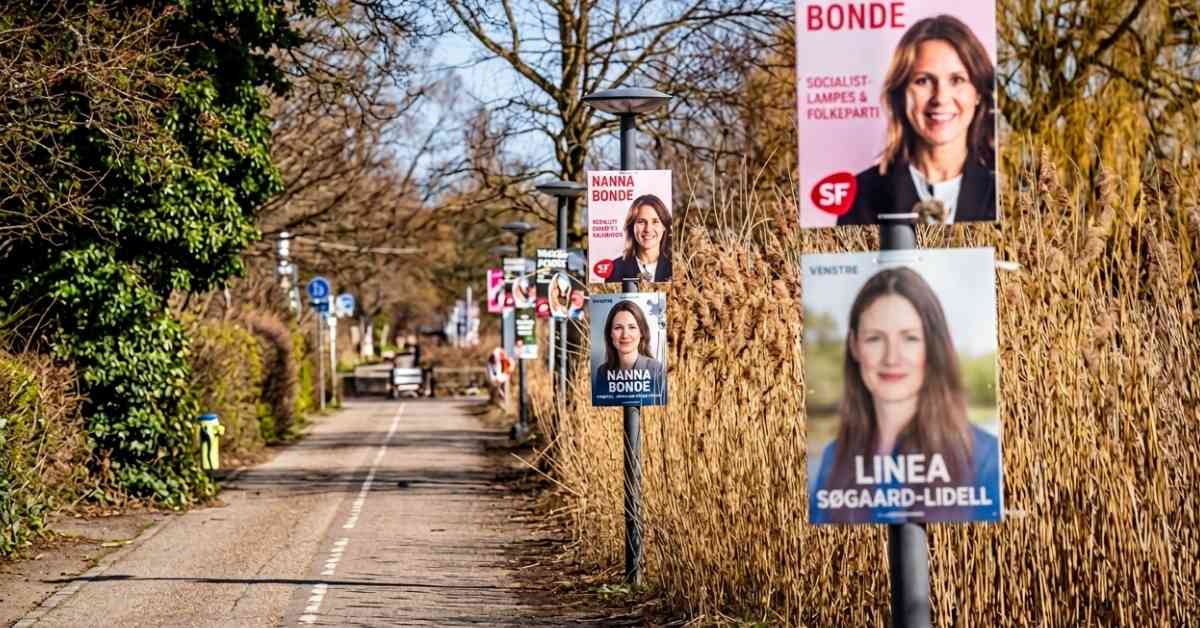
Denmark is getting a new broad coalition government in June 2026, and its policy platform will likely reshape rules on immigration, work permits, taxation and EU policy in ways that directly affect the country’s 800,000 foreign residents.
After weeks of post-election negotiations, Denmark is about to unveil a fresh government. The 2026 Folketing election left no single party or traditional bloc with the 90 seats needed to govern alone. That arithmetic forced party leaders into cross-bloc talks, and the result is a broad compromise coalition that spans the old red and blue divide.
For expats and foreign workers, this is more than a political shuffle. It means a new government agreement is coming, and that document will set the framework for residence rules, work permits, integration requirements, tax thresholds and welfare access for years to come. In Denmark, broad coalitions have a track record of locking in long-term reforms that later governments struggle to undo.

What a Broad Coalition Means in Practice
Denmark’s previous broad government, the 2022 coalition between Socialdemokratiet, Venstre and Moderaterne, used its stable majority to pass a major tax reform, increase defence spending and abolish a public holiday. The new 2026 constellation is likely to aim for similar durability. That means multi-year agreements on climate, pensions, healthcare and immigration policy.
For foreigners living here, the risk and the opportunity both lie in that bundling. Issues that would normally be fought over separately get packaged together. Business groups and universities have been pressing hard for easier recruitment of international workers and students. At the same time, Denmark’s political culture remains deeply sceptical of immigration outside the labour market, and past broad deals have produced some of Europe’s toughest rules on asylum, family reunification and permanent residence.
The Expat Angle
I have watched Denmark’s immigration policy tighten steadily over two decades, regardless of who was in power. The so-called paradigm shift, the 45-year rule, points-based family reunification and strict permanent residence criteria all came from cross-party agreements. Once these rules are in place, they stick. A new broad coalition in 2026 could do the same again, mixing selective openness for high-skilled workers with continued restrictions on refugees, family ties and pathways to citizenship.
Around 15 percent of Denmark’s population is foreign-born, and more than 300,000 foreign workers contribute to the labour market every day. Employers in IT, engineering, life sciences and healthcare need international talent to keep the welfare state running. Yet political rhetoric often treats immigration as a threat. The new government will have to navigate that tension.
What to Watch For
The written government platform, or regeringsgrundlag, will be published shortly after the cabinet is presented. Expats should look for sections on immigration, integration, tax, labour market policy and housing. Non-EU citizens need to monitor nyidanmark.dk for changes to work permit salary floors, the positive list and permanent residence conditions. EU citizens should watch for shifts in registration procedures, welfare access and the expat tax scheme.
Denmark’s 27 percent expat tax arrangement, which applies to high earners in specific fields, is always vulnerable to reform when governments talk about fairness and revenue. Any adjustment to that scheme, or to municipal tax rates, will hit take-home pay directly. Housing policy also matters, especially in Copenhagen and Aarhus, where rent levels and availability already strain foreign professionals and students.
Supporters and Sceptics
Supporters of the broad coalition argue that Denmark needs stability in a time of geopolitical uncertainty and demographic pressure. They say a strong centrist majority can deliver long-term reforms instead of short-term populism. Employer groups like Dansk Industri welcome a government that can provide predictable frameworks for recruiting foreign labour.
Critics warn that broad coalitions mute real opposition and become unaccountable. Right-wing parties fear employers will push for more foreign workers at the expense of Danish wages. Left-wing parties and NGOs point to historical patterns where big majorities locked in harsh immigration rules over the heads of those affected. Some expats worry that integration requirements will tighten again, language and work attachment rules included, without equivalent gains in security or rights.
What You Can Do
You cannot change the government formation, but you can prepare. Read the government agreement when it is published. Check nyidanmark.dk and borger.dk for official updates. Clarify your own legal status, tax situation and residence timeline. If you are on a work permit, know your salary threshold and renewal dates. If you are applying for permanent residence or citizenship, expect possible shifts in criteria.
Universities and employers usually communicate quickly if changes affect international staff or students. Your local kommune handles childcare, schooling and integration programmes. If the government reforms block grants or integration policy, municipalities will adjust how they treat foreign residents. Stay informed, stay flexible and keep your paperwork current. Denmark’s political system moves fast when it wants to, and this new government will set the tone for the next three or four years.