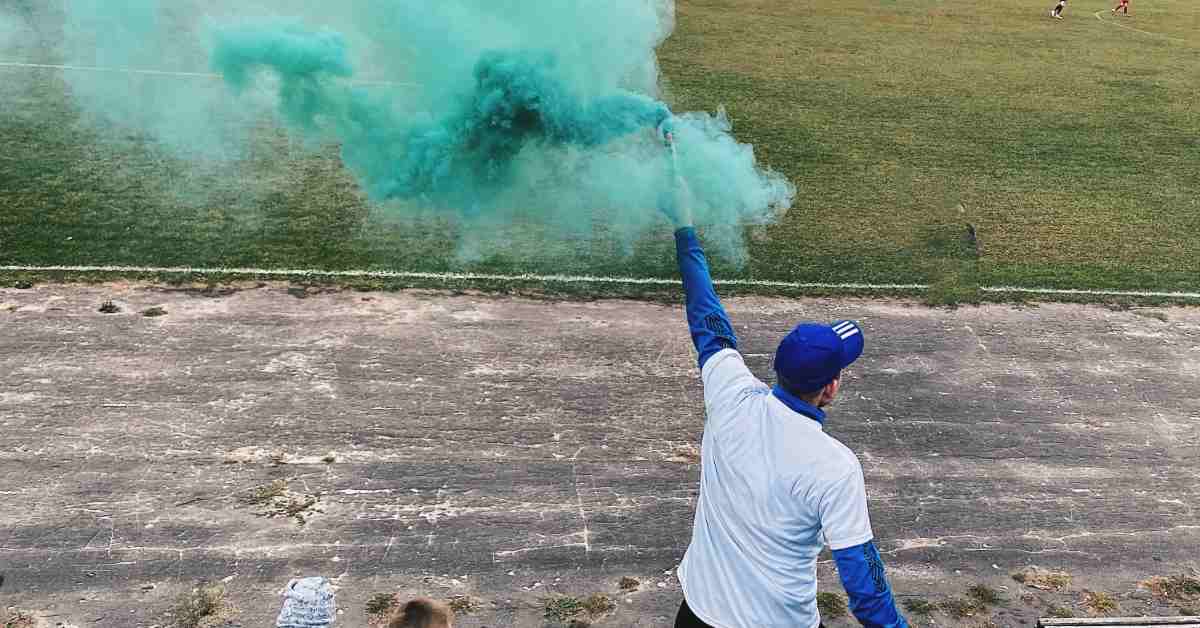
A father allegedly threatened to “beat up” a youth football referee at a U15 match in western Jutland last week, forcing the official to halt the game and call police—the latest in a troubling surge of abuse against volunteer referees across Danish grassroots football.
The incident unfolded on a Thursday evening during a youth league match between Lemvig IF and Hanstholm IF. According to reports, the referee issued a red card to a 14-year-old Hanstholm player. Moments later, the boy’s father stormed onto the pitch, shouted aggressively at the official and threatened him with physical violence. The referee suspended the match immediately and contacted police. By the time officers arrived, the father had already left the ground.
Why this matters for families in Denmark
I have watched youth football become a flashpoint for bad adult behaviour over recent seasons. The Lemvig case is not an outlier. Regional football unions across Denmark have warned of rising disciplinary cases involving threats and insults directed at referees, many of them teenagers volunteering their time. DBU, the Danish Football Association, has run “Respect the Referee” campaigns for several years precisely because officials say they simply cannot recruit and retain referees if they face abuse every weekend.
For expat families, this is more than a Danish problem. Your child joining a local club is often the fastest route to language learning and social integration. But when adults lose control on the touchline, kids of any nationality pay the price. International parents can sometimes misunderstand local norms around referees’ authority or substitution rules, and that confusion can escalate quickly if not handled calmly.
Consequences are real and personal
What has changed this spring is the willingness of police and football authorities to treat such incidents as law and order issues, not just internal club matters. Threats of violence can lead to match bans, fines and criminal charges. For non-Danish citizens, the stakes are higher still. A serious or repeated violent offence can in principle affect future residence or citizenship applications. While a single heated argument without physical contact typically remains a minor issue, anyone threatening physical harm risks a police record.
The practical advice is straightforward. Most clubs now require parents to acknowledge a written code of conduct, often available in English in larger clubs. If you disagree with a referee’s call, raise it calmly with the coach or club leadership after the match, not on the pitch during play. Danish cultural norms strongly disapprove of adults shouting at children or officials in public sporting settings. Behaviour that might be accepted in other football cultures is not tolerated here.
A Europe-wide problem with a Danish solution
Denmark is not alone in struggling with parent behaviour at youth matches. Several European countries have introduced silent sidelines or match bans for aggressive parents. Danish unions have experimented with weekends where only coaches may speak during games. The problem feeds directly into another Danish challenge: a chronic shortage of referees, especially in youth and lower leagues. Unions blame the shortage partly on abuse and poor behaviour from adults who should know better.
For expats, the culture shock can cut both ways. Some are surprised by the firm emphasis on children’s well-being and low conflict environments. Others welcome the tough stance as a contrast to more hostile football cultures elsewhere. But clubs must do better at integrating international families by offering clear information in English and explaining that, in Denmark, volunteering as a coach or referee is highly valued and fiercely protected.
The father from Hanstholm has not been publicly named, and the case is now with local authorities. But his actions have already done damage. Families across western Jutland are talking about it, and volunteer referees are once again questioning whether the abuse is worth their time. That is the real cost of Thursday’s outburst, and it is paid by every child who just wants to play.