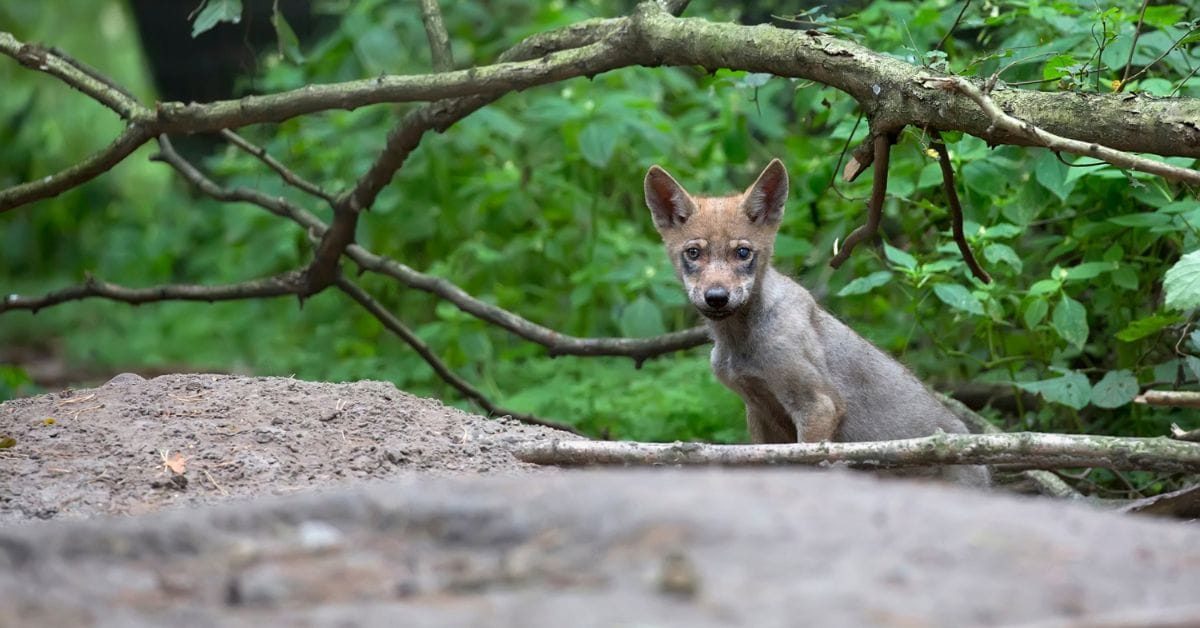
Denmark’s wolf population grew by just seven animals this year, reaching 49 individuals. Researchers say the numbers are lower than expected, but hunters argue the estimate is flawed and could be improved with better cooperation.
The latest count of Denmark’s wolf population shows slower growth than scientists anticipated. According to Danmarks Jægerforbund, the Natural History Museum in Aarhus now estimates 49 wolves live in the country. That represents an increase of only seven animals since the last official count.
Kent Olsen, scientific director at the museum, told Jyllands-Posten this week that the population is not expanding as quickly as models had predicted. The findings appear on ulveatlas.dk, Denmark’s official wolf tracking platform. But the Danish Hunters’ Association questions both the methodology and the conclusions researchers are drawing from incomplete data.
A Conservative Estimate Built on Limited Data
The current population figure relies on a simple calculation. Researchers identified seven wolf pairs that produced pups last year. They multiplied that number by seven to reach the spring estimate of 49 individuals. Danmarks Jægerforbund calls this approach markedly conservative, especially given that the population was estimated at between 60 and 80 wolves in late 2024.
The Environment Ministry’s own research center, DCE, has described this multiplication factor as not particularly accurate or useful for a population still establishing itself. Yet researchers used it anyway. As noted by the hunters’ association, making firm conclusions based on such rough estimates seems premature at best.
I have watched Denmark struggle with wolf management for years now. The debate always circles back to the same problem: nobody knows exactly how many wolves are out there. Farmers want protection for livestock. Conservationists want protected status maintained. Politicians want a management plan that satisfies everyone. But without accurate population data, every decision rests on shaky ground.
Researchers Quick to Blame Illegal Killings
Danmarks Jægerforbund expressed surprise that scientists immediately attributed the slow growth to illegal wolf removals. The association points out that Denmark’s wolf population is growing at roughly the same pace Germany experienced during its early establishment phase. The numbers also align with DCE’s own 2023 projections for population growth.
Jumping to conclusions about poaching without evidence undermines trust between researchers and the people who spend the most time in Danish forests. Hunters see wolves regularly. They document sightings with photos and videos. They know precise locations and times. Yet researchers have not systematically incorporated these observations into their estimates.
Thousands of Trail Cameras Already in Place
The hunters’ association points to an obvious solution. Thousands of wildlife cameras already sit in forests across Denmark, placed by hunters monitoring game populations. These cameras function as a vast network of digital eyes recording animal movements year round. Many hunters have extensive experience with species identification and can provide quality documentation.
Adding systematic hunter observations would give researchers far more data points than they currently have. It would help identify territories, spot new animals, and track the population surge with greater precision. Danmarks Jægerforbund is now urging its members to report every wolf sighting, particularly pups, to help build a more complete picture.
Better Data Means Better Decisions
This is not just about counting animals. Policy follows numbers. If Denmark underestimates the wolf population, livestock owners may receive less support than they need. If the country overestimates, conservation efforts may relax too soon. Either way, bad data leads to bad outcomes.
I understand why researchers hesitate to rely on citizen science. Quality control matters. But dismissing thousands of potential data sources while simultaneously admitting your current method is inadequate makes no sense. Denmark prides itself on pragmatic solutions. Collaboration between scientists and hunters on wolf monitoring should be straightforward.
The debate over wolves will only intensify as the population grows. Getting the numbers right now will save everyone a lot of conflict later. Researchers should take the hunters up on their offer.
Sources and References
Jægerforbundet: Ulvebestanden vokser mindre end forventet
The Danish Dream: Rising wolf numbers spark public concern across Denmark
The Danish Dream: Denmark unveils new wolf management plan
The Danish Dream: Peak of wolf pups in Denmark signal population surge