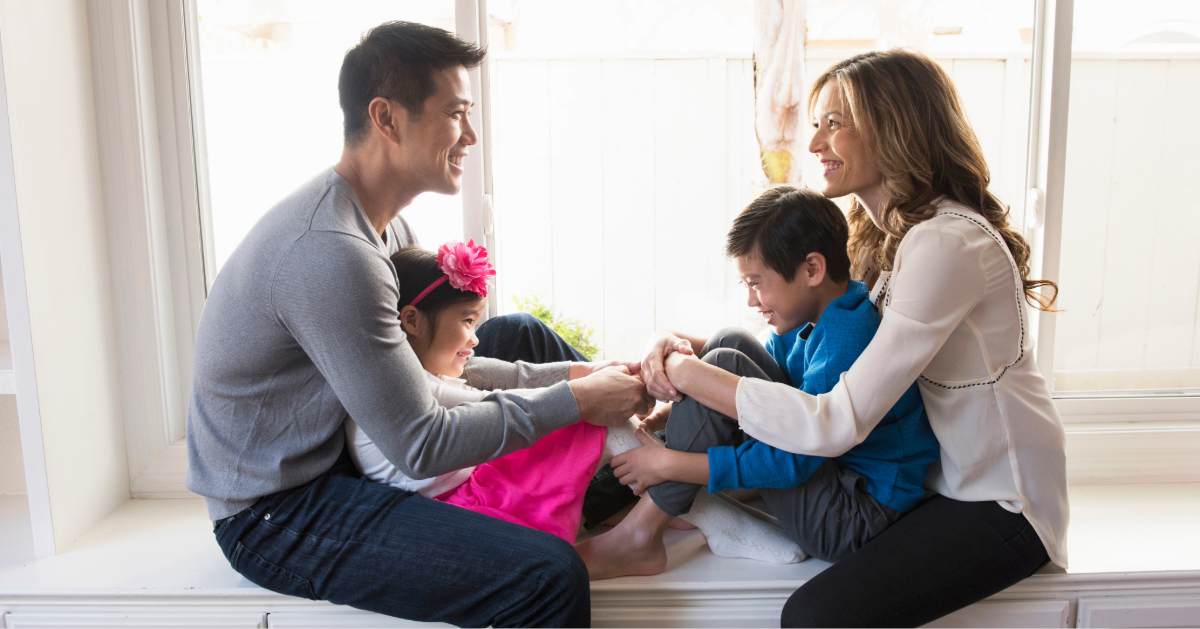
Denmark now has a free national chat service for parents and family members struggling to support young people aged 12 to 25 in distress. The service is run by volunteers who’ve been through it themselves.
It’s called headspace Family, and it went live in early June. Parents can now text, call, or video chat with people who understand what it’s like when your kid is falling apart and you don’t know what to do.
I’ve watched Denmark’s conversation about youth mental health evolve over the years I’ve lived here. Usually the focus is on the young person. This turns that around. It asks what happens to the adults trying to hold everything together.
What headspace Family Actually Does
The service offers anonymous support through chat, phone, video, and in-person meetings. It’s free. You can use it as often as you need. No referrals. No waiting lists mentioned yet.
According to headspace Denmark, the chat is staffed by trained volunteers who’ve themselves supported a young person through rough times. That peer experience is central to the model. The idea is that parents don’t need clinical advice as much as they need someone to say, I’ve been there too.
As reported by headspace, the service covers everything from everyday worries to school refusal, family conflict, and concerns about a teenager isolating themselves. The age range is broad: 12 to 25. That includes early teens still living at home and young adults who may have moved out but are still deeply connected to family.
Trine Hammershøy, director of Det Sociale Netværk and headspace Denmark, described the goal as making support more accessible and flexible. She noted that no one should face these challenges alone.
Five Pilot Cities, One National Ambition
headspace Family is technically a pilot project. It’s running in five municipalities: Aarhus, Faaborg-Midtfyn, Holbæk, Guldborgsund, and Helsingør. But the chat and phone lines are open to anyone in Denmark.
The project is funded by Nordea-fonden, which describes it as a test of whether parents and relatives can be a lever for improving youth wellbeing. If it works, the model could expand.
Poul Nyrup Rasmussen, founder and protector of Det Sociale Netværk, emphasized that when a young person struggles, the environment around them matters. He said many parents feel isolated with their fears and questions. The chat creates a confidential space for them, no matter where in the country they live.
Who This Is Really For
The service isn’t only for parents. Siblings, grandparents, and even professionals working with young people can use it. That breadth is strategic. It acknowledges that distress ripples outward and that many people need support but don’t know where to turn.
Denmark has public services for this, of course. PPR, municipal family counseling, school psychologists. But they’re often overloaded. Getting an appointment can take weeks. And sometimes parents just need to talk without triggering a file or involving the school.
The Expat Angle
If you’re an expat raising teenagers here, this might be relevant. Denmark’s youth culture around alcohol, social expectations, and school pressure can feel foreign. Add language barriers or unfamiliarity with the system, and it gets harder.
I don’t know yet if headspace Family offers support in English. That detail isn’t in their public materials. But the service is anonymous, which lowers the stakes for reaching out. And peer support often works across cultural lines better than formal systems do.
The real question is whether it scales. Volunteers are generous, but they burn out. Free services get overwhelmed. And Denmark’s ongoing debate about youth mental health hasn’t yet produced the structural changes many say are needed.
What We Don’t Know Yet
There’s no public data on how many people have used the service. No evaluation of outcomes. No waiting time transparency. Nordea-fonden describes this as a test, which means results should be measured and shared.
I hope they do that. Denmark loves piloting things. It’s less consistent about rigorously evaluating them and then acting on what the data shows. If headspace Family works, it should be funded properly and expanded. If it doesn’t, we should know why.
For now, it’s a promising experiment. And for parents sitting at home wondering if they’re doing it all wrong, boundaries might finally feel less impossible to set when someone else has walked that road before.
Sources and References
headspace: Ny chat til pårørende: Få støtte hos headspace Family
The Danish Dream: 40% of Danish parents find alcohol talks with teenagers hard