Denmark’s royal household invests heavily in contemporary Danish art, commissioning murals and paintings from artists like Tal R and John Kørner for royal palaces while maintaining an active calendar of cultural appearances that position the monarchy as a strategic cultural force, not just ceremonial decoration.
I’ve watched the Danish monarchy evolve over my years here, and one thing has become increasingly clear. This isn’t your grandmother’s royal family, at least not in how they approach art and culture.
Contemporary Art in Royal Spaces
The recent renovation of Frederik VIII’s Palace at Amalienborg tells you everything you need to know about where the royal household stands on Danish art. Contemporary murals and ceiling paintings now cover the walls, commissioned from established artists including Tal R, John Kørner, and Kathrine Ærtebjerg. These aren’t safe historical reproductions. They’re modern, sometimes abstract, and distinctly Danish.
This curatorial choice matters. The royal collection includes several thousand paintings spanning from the 1600s to today. The decision to showcase contemporary voices in an active royal residence signals deliberate engagement with current artistic production, not just backward looking preservation.
Cultural Diplomacy as Strategy
The official calendar shows King Frederik and Queen Mary maintaining a packed schedule of cultural events through 2026. The King presided over The Brain Prize presentation. The Queen opened Aalborg University Hospital and presented scholarships. These aren’t random appearances.
As noted by VisitDenmark leadership, the royal household plays a central role in placing Denmark on the world map and telling the country’s story. That’s diplomatic language for soft power. The monarchy functions as cultural ambassador, lending legitimacy and visibility to Danish creative sectors.
King Frederik’s February 2025 speech on art and culture framed the royal role expansively, honoring everything from classical to culinary works. This isn’t about maintaining dusty portraits in palace corridors. It’s strategic positioning.
The Collection and Its Complications
Here’s where it gets messy. The royal art collection operates under two legal categories. Works owned by the Løsøre Fideikommis, a trust structure limiting asset sales, and private royal family property acquired since 1849. This dual ownership affects public access, conservation funding, and cultural policy.
I’ve yet to see transparent budget figures for royal cultural spending or detailed conservation costs. The institutional descriptions look impressive. Museums, galleries, and theatres receive royal support. But selection criteria remain opaque, and public accountability is limited.
The monarchy evolved significantly since the time of Christian III, when royal patronage looked very different. Today’s model blends historical continuity with adaptive institutional behavior. A University of Copenhagen analysis notes the royal household regularly adjusts its tasks and roles to align with the times. That adaptive capacity keeps the institution relevant in modern democratic contexts.
Real Impact, Real Questions
For expats navigating Danish cultural life, the royal household’s omnipresence in arts institutions can feel strange. The monarchy is woven through Denmark’s cultural infrastructure in ways that don’t map neatly onto American or British models. Royal patronage carries weight here, opening doors and attracting funding.
The recent transition in royal household staff, with military officer Steffen Scharff replacing the Master of the Royal Stables in March 2026, hints at broader organizational changes. Whether that signals modernization or routine personnel shifts remains unclear.
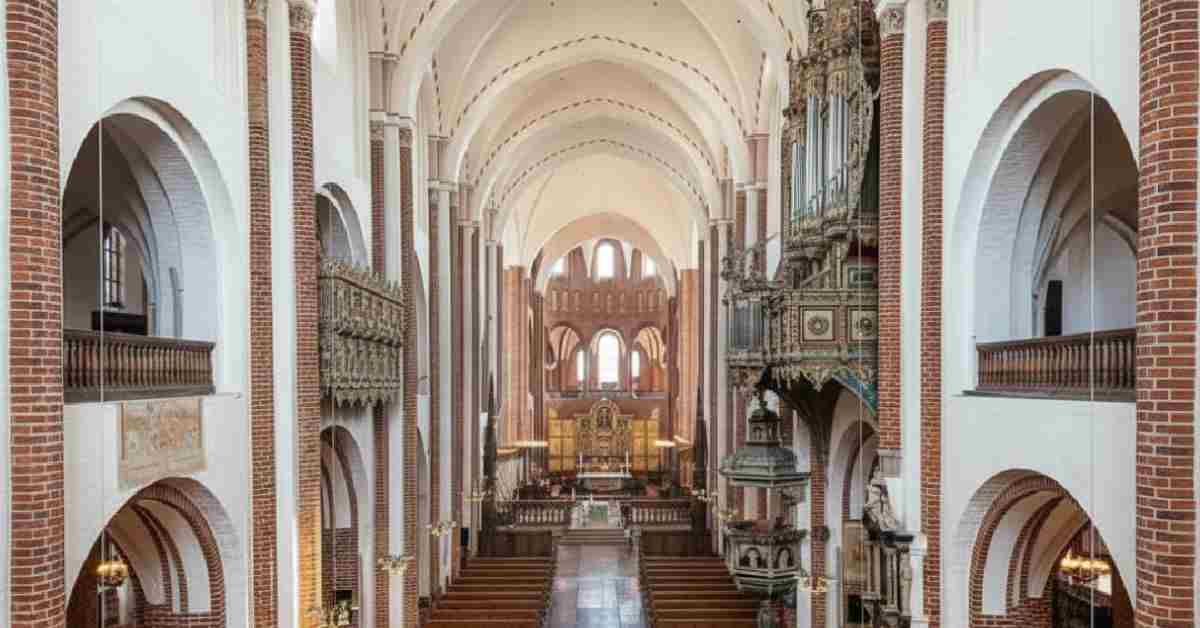
Denmark takes pride in its artistic heritage, from women artists who broke barriers to the monuments at Roskilde Cathedral. The royal family positions itself as guardian of that heritage while simultaneously championing contemporary creation.
The strategy works, at least in terms of visibility. But transparency around decision making, budgets, and access policies lags behind the polished public presentations. That gap between institutional sophistication and public accountability deserves more scrutiny than it typically receives in Danish cultural discourse.
Sources and References
Arbejderen: Kongehuset og kunsten
The Danish Dream: Christian III son of Frederick I Anna of Brandenburg
The Danish Dream: How Anna Ancher helped women in the arts
The Danish Dream: Roskilde Cathedral majestic burial ground of Danish kings