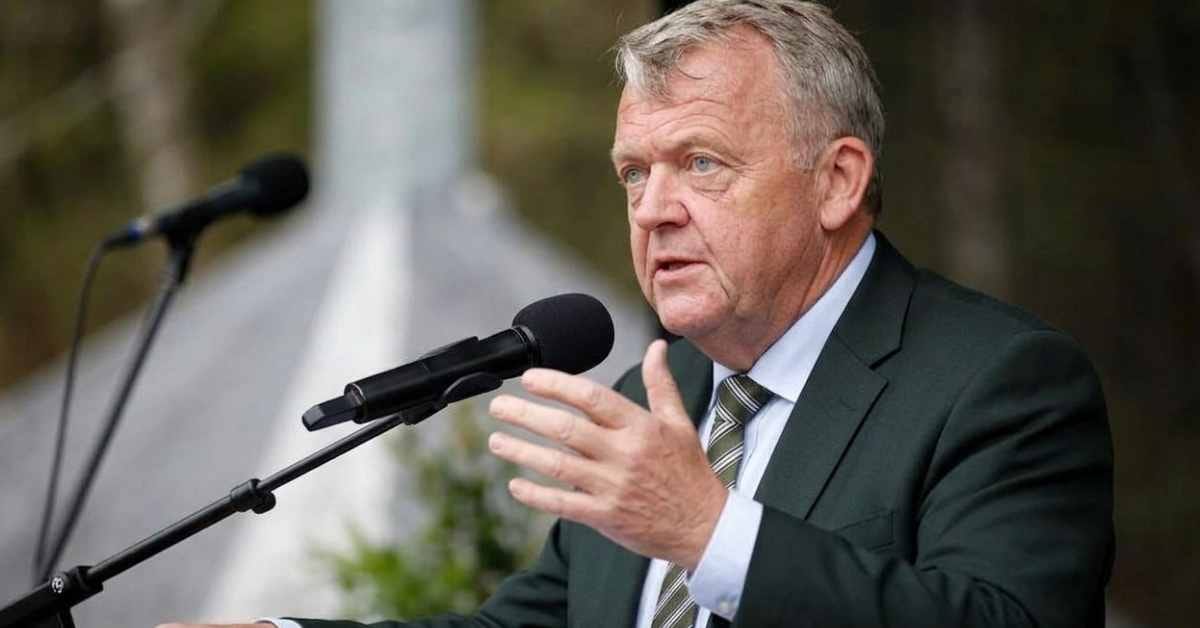
Denmark’s Foreign Minister Lars Løkke Rasmussen has reignited debate over executive overreach by criticizing Prime Minister Mette Frederiksen’s centralization of power, warning that her government’s direct interventions in civil service decisions threaten democratic neutrality rooted in Denmark’s constitutional tradition.
The criticism isn’t new. Rasmussen first sounded the alarm in April 2022. He has consistently argued that Frederiksen bypasses the embedsværk, the neutral civil service that has anchored Danish governance since 1849. His focus remains on two flashpoints: the chaotic COVID response and the disastrous mink culling order of November 4, 2021. That order lacked full parliamentary approval and triggered a no confidence vote that Frederiksen survived. But the fallout continues. Courts ruled the decision invalid in June 2024, and compensation claims now head to the Supreme Court this quarter.
As reported by DR, Rasmussen frames this as dangerous territory. He argues the prime minister’s appetite for direct control erodes the checks that keep Danish democracy functional. The embedsværk exists to provide impartial advice. When ministers ignore that and treat civil servants as political tools, the system bends. Rasmussen has experience here. He led three governments himself and knows how tempting it is to sideline bureaucrats during crises. But he insists crossing that line corrodes public trust.
The Numbers Tell Part of the Story
Trust in the embedsværk has dropped to 62 percent in 2025, down eight percentage points since 2019. A 2024 audit by the Rigsrevisionen found a 15 percent rise in direct ministerial instructions to civil servants between 2019 and 2023. Those figures suggest something shifted under Frederiksen’s watch. The government defends its record by pointing out that no civil servants were dismissed for dissent. But that misses the point. The problem isn’t firings. It’s the quiet pressure that makes neutral advice harder to give.
Frederiksen’s allies dismiss Rasmussen’s critique as partisan noise. They argue crisis leadership demands agility, not endless consultation. Her approval ratings hovered around 45 percent in 2025, and she won the 2022 election with 27.5 percent of the vote. That gives her a mandate, they say. Fair enough. But mandates don’t override constitutional principles, and Grundloven section 42 places responsibility squarely on ministers. The mink case showed what happens when that responsibility isn’t paired with legal rigor. Taxpayers are now paying 5.8 billion kroner in interim compensation for a decision the courts invalidated.
A Familiar Pattern Across Europe
Denmark isn’t alone here. Sweden conducted a civil service review in 2022 that flagged similar issues. Finland saw debates over executive power during its pandemic response. Even Poland’s pre 2023 judicial politicization offers a darker parallel. The trend across Europe tilts toward stronger executives. COVID accelerated that. Leaders discovered they could act fast and worry about checks later. Some never worried at all.
As an expat who has watched Danish politics for years, I find Rasmussen’s warnings credible. Denmark’s strength has always been institutional restraint. The embedsværk doesn’t just advise. It anchors policy in law and precedent. When that anchor loosens, decisions get made on instinct or political expediency. That might work short term, but it’s corrosive over time. The Moderates, Rasmussen’s current political home, have gained two percentage points in recent polls. That suggests voters are listening.
What Happens Next
Folketinget proposed an embedsværk independence bill in 2024, but it stalled. Constitutional lawyer Henrik Zahle has warned of creeping authoritarianism if the trend continues unchecked. Political scientist Peter Kurrild-Klitgaard sees it as typical partisan sparring. The truth likely sits somewhere between. Frederiksen isn’t dismantling democracy, but she’s testing its guardrails. Rasmussen’s critique matters because it names that test. His record at Venstre gives him credibility, even if his motives are partly political. The mink case alone justifies skepticism about executive overreach. The Supreme Court ruling later this year will clarify legal boundaries. But rebuilding trust in the embedsværk will take longer.
Sources and References
The Danish Dream: Lars Løkke Rasmussen Minister for Foreign Affairs
The Danish Dream: New book reveals Moderates tried to pay Fonseca to step down
The Danish Dream: Danish politicians from Venstre promise more affordable shopping