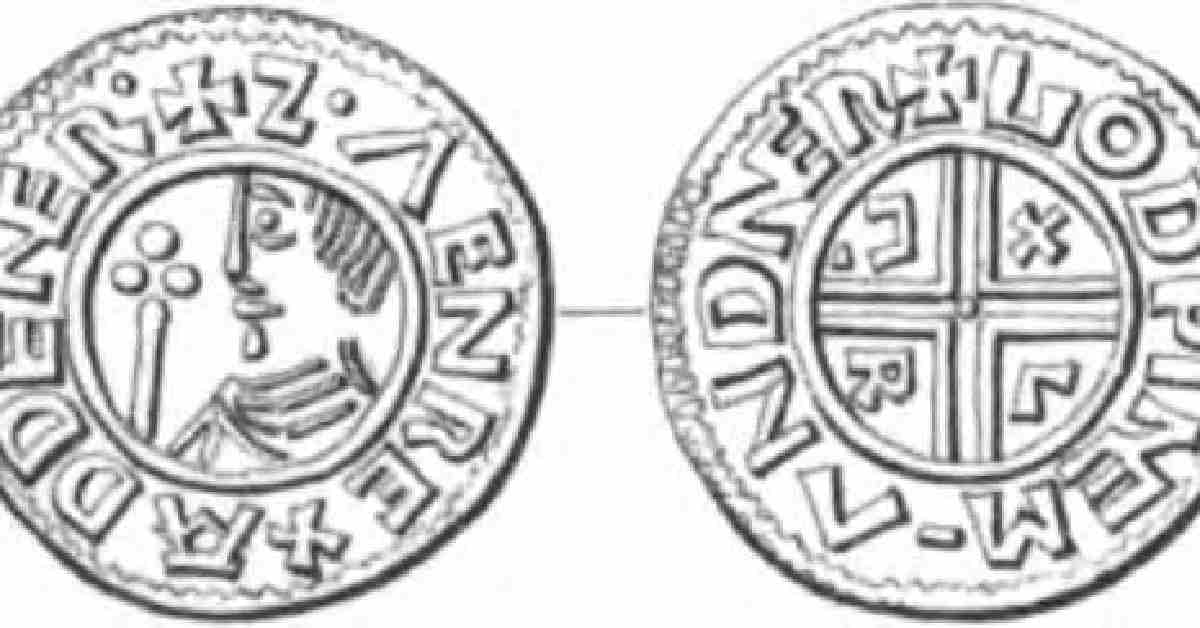
Metal detectorists have uncovered rare Viking-era coins in Denmark, adding fresh evidence to our understanding of trade networks and political power during the late 10th century. The tiny silver pieces, no bigger than a fingernail, reveal connections stretching from Scandinavia to the Byzantine Empire.
The discovery happened in a field somewhere in Denmark. The exact location remains undisclosed, a standard practice to prevent looters from descending on archaeological sites. As reported by DR, experts describe the find as wildly fascinating, noting how these small coins can contain vast amounts of historical information compressed into metal no larger than a thumbnail.
What Makes These Coins Special
Viking-era coins turn up with some regularity in Denmark, but these particular specimens stand out. They date from a period when the Vikings were transitioning from raiders to traders, from pagans to Christians, from scattered chiefdoms to something resembling organized kingdoms. The coins bear markings that connect them to broader European trade routes, evidence that Denmark sat at the crossroads of commerce flowing between the Nordic world and continental powers.
I have visited enough Danish museums to know that every coin, every fragment of pottery, every buried axe head gets catalogued with obsessive precision. This is a country that takes its Viking heritage seriously, not as theme park material but as foundational identity. The Høje Museum and the Roskilde Viking Ship Museum display similar finds with the kind of reverence other nations reserve for crown jewels.
Trade Networks and Power Politics
These coins matter because they tell stories about power. Who minted them? Who controlled the silver supply? Who decided what symbols appeared on currency that people from Norway to Byzantium might handle? The late 10th century saw Danish kings like Harald Bluetooth consolidating power, building fortresses, and yes, minting coins as statements of authority.
Silver flowed into Scandinavia from multiple directions during this period. Some came as tribute, some as trade payment, some as plunder. The fact that coins rather than raw silver turned up suggests this area participated in a monetized economy, not just a barter system. That distinction matters when trying to understand how sophisticated Viking-age Denmark actually was.
Why Expats Should Care
Living here, you learn that Danes anchor their modern identity in this Viking past with a kind of casual confidence other countries can only envy. It shapes everything from design aesthetics to political rhetoric about Danish values and independence. When politicians invoke Viking heritage, they are not just making empty appeals to nationalism. They are tapping into a historical narrative that Danes genuinely believe connects them to a seafaring, trading, exploring people who built networks across continents.
These coin discoveries feed that narrative with actual evidence. They are not mythology or saga embellishment. They are physical objects that prove Denmark was never an isolated backwater. It was a hub, a crossroads, a place where Arabic silver, German craftsmanship, and Scandinavian ambition mixed in ways that still shape this country today.
The coins will eventually end up in a museum, cleaned and catalogued and displayed under glass with explanatory text in Danish and English. Metal detector enthusiasts will keep searching Danish fields, hoping to find the next cache. And archaeologists will keep piecing together the Viking age one tiny silver coin at a time, adding detail to a picture that refuses to stay simple or safely in the past.
Sources and References
DR: Sjældne mønter fra vikingetiden er fundet i Danmark
The Danish Dream: Are Vikings from Denmark? The Truth Behind These Warriors
The Danish Dream: Høje Museum – Uncover the Mysteries of Denmark’s Viking and Iron Age Legacy
The Danish Dream: Roskilde Viking Ship Museum – Journey Into Denmark’s Legendary Maritime Past