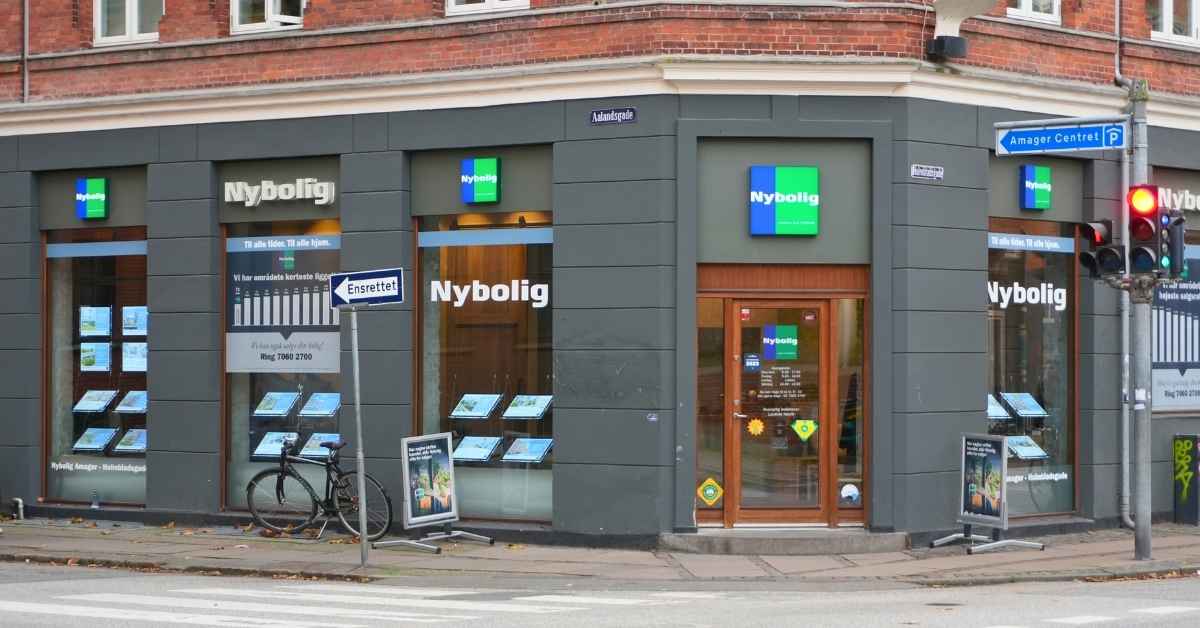
A couple in Denmark just sold their home in under a week, shocking even their realtor who called it highly unusual for the current market. Despite predictions of continued price growth in 2026, experts say lightning-fast sales like this are rare right now, signaling a complex housing market where demand remains high but activity has cooled from last year’s frenzy.
The Danish housing market has a way of keeping you on your toes. I have watched prices climb year after year, neighborhoods transform, and bidding wars become the norm in Copenhagen. But even in this climate, what happened to one couple stands out. Their home sold in days, not weeks or months, and it caught everyone by surprise.
When Fast Becomes Unusual
As reported by TV2, the couple’s quick sale prompted a housing expert to describe it as highly unusual for the current moment. That raises a question. If prices are rising and demand supposedly strong, why would a fast sale be remarkable? The answer lies in what has changed beneath the surface this year.
January 2026 data showed home prices rose 1.3 percent compared to the previous month. That sounds healthy. But viewings and actual transactions fell during the same period. Fewer people are looking, fewer are buying, yet prices keep climbing. The numbers tell a story of a market that has shifted gears from the breakneck pace of 2025 into something more cautious. Villa and row house prices stood 8.7 percent higher than a year earlier, condos up 6.5 percent, and summer homes jumped 10.9 percent. But the volume is down.
This creates an odd dynamic. Sellers list their properties expecting the boom to continue. Buyers hesitate, spooked by high prices or waiting for a correction that might not come. When a home does sell quickly now, it stands out because it bucks the trend. Supply is low in many areas, especially cities, but transactions are not matching the frenzy of months past.
What Drives the Market Now
I have learned that cost of living in Denmark shapes every financial decision, and housing sits at the center. Wage increases and tax cuts have put more money in people’s pockets. That should fuel home buying. It has, but not evenly. Copenhagen condos hit a record average of 49,088 kroner per square meter in March, up 14 percent in a year. That is not sustainable for most people, especially expats or young Danes trying to break into the market.
Regional differences matter more than ever. Nykredit predicts Copenhagen condo prices will rise 17.4 percent this year. Aarhus gets a more modest 5.5 percent. Aalborg might see weaker growth because new construction keeps supply up there. If you are shopping in the capital, you are playing a different game than someone in Jutland. I have seen this firsthand when friends in Copenhagen pay double what others do for half the space elsewhere.
The broader forecasts for 2026 sit between 4 and 6.5 percent growth nationwide. Danske Bank and Realkredit Danmark agree on around 6 percent. That is solid but slower than 2025, when some areas saw prices jump 24 percent. The experts expect continued growth but warn against expecting last year’s pace. Political factors like sustainability requirements for new builds could slow construction, tightening supply further. But for now, the market is not overheating the way it did before.
The Expat Angle
For those of us who moved here and stayed, the housing market feels like a test of commitment. You watch locals navigate family loans and generational wealth advantages while you scrape together a down payment alone. Living in Denmark means accepting that housing will consume a huge chunk of your income. The Danish system rewards stability, long employment history, and local credit ratings. Expats often start behind.
When a home sells in a week, it reminds you how competitive this remains. The couple’s experience might be unusual now, but it reflects what happens when the right property hits the market at the right price. Low supply in desirable areas means good homes still move. But the days when anything sold overnight are mostly gone. You need patience now, and probably more money than you think.
What This Means Going Forward
Half of realtors surveyed expect more home sales this year. A third predict more condo transactions. That optimism sits alongside January’s drop in activity. It tells me the market is holding its breath, waiting to see if growth continues or stalls. Interest rates remain a wildcard. If they rise, demand could weaken fast. If they stay low, prices might keep climbing into uncomfortable territory.
I have covered enough parental leave and social policy stories to know Denmark prioritizes long term stability over short term gains. The housing market does not always follow that principle. Right now it is caught between strong fundamentals like wage growth and shaky sentiment after a wild 2025. The couple who sold fast got lucky or priced perfectly. For everyone else, expect a slower, more strategic game this year. The market has not crashed, but it has definitely changed rhythm.
Sources and References
The Danish Dream: Cost of Living in Denmark
The Danish Dream: Top 20 Things About Living in Denmark
The Danish Dream: A Simple Guide to Parental Leave in Denmark
TV2: Hurtigt salg overrasker par meget usædvanligt lige nu