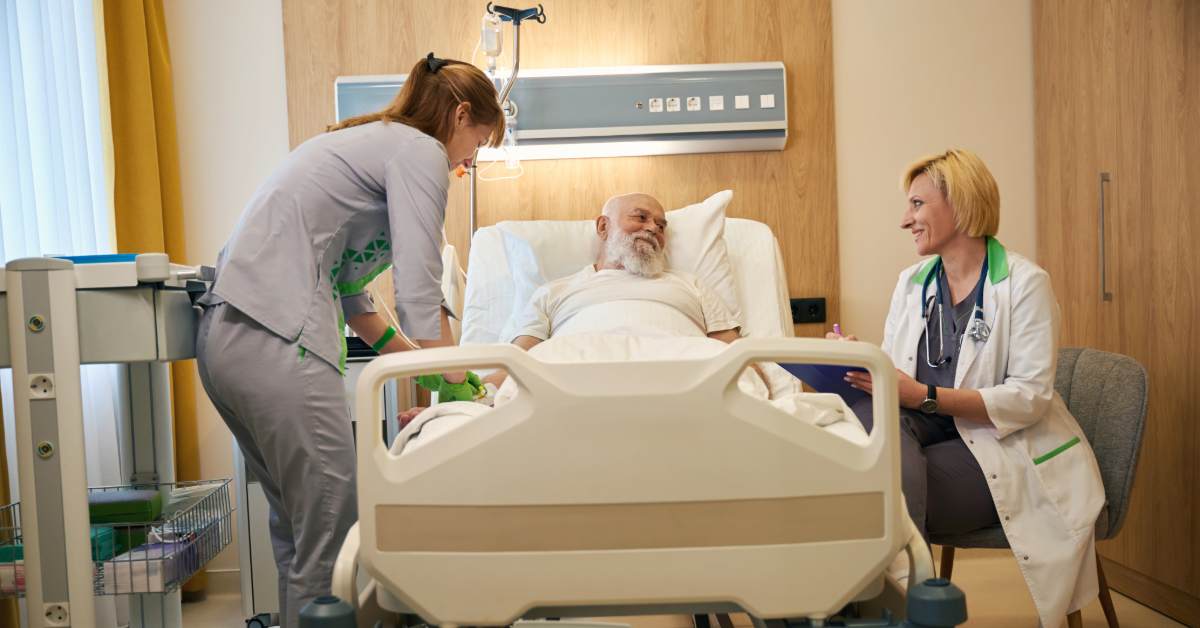
A Danish woman’s public plea for a kidney donor for her husband has sparked an overwhelming response, shining a spotlight on the challenges facing patients waiting for organ transplants in Denmark’s healthcare system. The case raises questions about private appeals in a country that relies heavily on its structured public health framework.
When you need a kidney in Denmark, you join a waiting list. You trust the system. You wait. But what happens when waiting feels like watching someone you love slip away? One Danish woman decided she couldn’t just sit and wait anymore. She turned to strangers for help.
As reported by TV2, the woman made a public appeal asking strangers to consider donating a kidney to her husband. The response was overwhelming. People reached out. People offered to help. It’s the kind of story that sounds heartwarming on the surface, but it exposes something deeper about how organ donation works here, and how it doesn’t.
When the System Feels Too Slow
Denmark has a functional healthcare system. I’ve lived here long enough to appreciate that. But functional doesn’t mean fast, and it doesn’t mean flexible. For kidney patients, the wait can stretch for months or even years. The official channels run through hospitals, registries, and compatibility testing. It’s organized. It’s fair. But it’s also impersonal when you’re the one counting days.
The woman’s husband needed a kidney, and the clock was ticking. She went public. That’s not the Danish way, traditionally. Danes tend to trust institutions, not crowdsourcing. But desperation has its own logic. And in 2026, social media makes it possible to bypass the queue, at least emotionally.
I’ve seen this tension before. Denmark prides itself on a system where everyone gets the same care, regardless of who you know or how loud you shout. But when that system moves too slowly, people look for workarounds. This case is a workaround with a human face.
The Complications of Public Appeals
Public appeals for organs aren’t straightforward. They raise ethical questions that don’t have easy answers. Should someone with a compelling story or a social media following get priority over someone who waits quietly? The health system here is built on equity, not emotion.
The woman’s appeal worked in the sense that people responded. But what happens to the patients who don’t have someone willing to go public for them? What happens to those without networks, without the language skills to write a viral post, or without the confidence to ask strangers for something so intimate?
Living here as an expat, I’ve learned that Denmark values fairness above almost everything else. The idea that someone could jump the line, even for a good reason, makes people uncomfortable. But I also understand why she did it. When you’re watching someone you love suffer, fairness becomes abstract. Survival becomes concrete.
Organ Donation in Denmark
Denmark has an opt-in organ donation system. You have to actively register as a donor. That’s different from countries with opt-out systems, where everyone is presumed to be a donor unless they say otherwise. The result is that Denmark doesn’t have as many registered donors as it could.
Living kidney donation is possible here, but it’s relatively rare. It requires a willing donor, compatibility testing, and approval from medical teams at specialized centers like Rigshospitalet. The process is thorough, which is necessary. But thorough takes time.
The overwhelming response to this woman’s appeal suggests that people do want to help. They just need a reason to step forward. The question is whether individual appeals are the right way to mobilize that willingness, or whether they create a two-tier system where only the most visible cases get attention.
What This Case Reveals
This story isn’t just about one couple. It’s about the gap between how a system is supposed to work and how it feels when you’re inside it. Denmark’s healthcare is excellent by global standards, but it’s not immune to the frustrations that come with scarcity. There aren’t enough kidneys for everyone who needs one. That’s true everywhere, not just here.
The woman’s decision to go public worked for her husband. But it also highlights a problem the system hasn’t solved. Should patients have to beg? Should families have to campaign? Or should the infrastructure be strong enough that no one feels they have to? I don’t have the answer. But I know the question matters.
Sources and References
TV2: Hun bad fremmede om en nyre til sin mand og reaktionerne var overvældende
The Danish Dream: Rigshospitalet offers inclusive care for LGBTQ families in Denmark
The Danish Dream: Danish healthcare explained for tourists & expats
The Danish Dream: Health insurance in Denmark