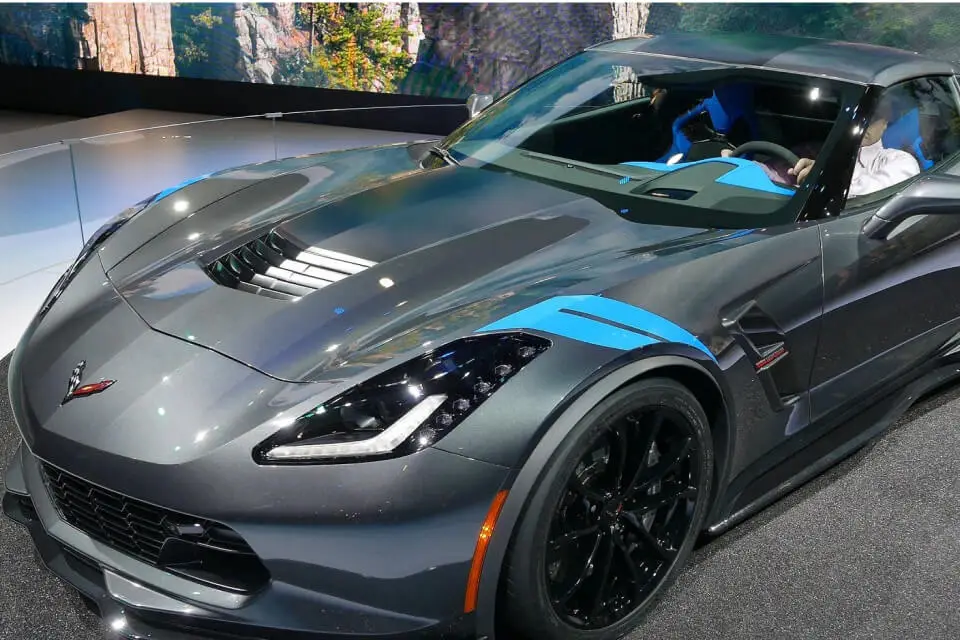
A community of wild car enthusiasts in Denmark has built an unexpected social network around their shared passion, according to a new report. The phenomenon highlights how niche interests can forge deep connections in a country often criticized for its difficulty in forming friendships outside established circles.
Moving to Denmark, you learn quickly that making friends here operates on a different timeline than most places. Danes have their childhood networks locked in by age seven, and breaking into those circles as an adult feels like trying to join a members-only club without knowing the password. But TV2 reports on a phenomenon that cuts against this social isolation: wild car enthusiasts who have created their own tight-knit community.
Building Bonds Through Horsepower
The wild car scene has developed into more than just a hobby for its participants. According to TV2, these car enthusiasts have formed lasting friendships and support networks through their shared interest in modified vehicles and automotive culture. The community spans ages and backgrounds, united by a passion that transcends the typical Danish social barriers.
For anyone who has tried navigating car ownership in Denmark as a foreigner, the country’s relationship with automobiles feels complicated at best. Registration taxes make buying a vehicle an expensive proposition, and the bureaucracy can be daunting. But for this subset of enthusiasts, the investment goes beyond transportation. The cars become conversation starters, project collaborators, and social glue.
When Shared Passion Breaks Social Ice
Denmark consistently ranks high in happiness surveys, but that aggregate data masks a persistent loneliness problem, especially among immigrants and younger demographics. The wild car community offers a counter-narrative. When people gather around a shared obsession, the usual Danish reserve seems to melt away. You are not an outsider trying to penetrate an established friend group. You are a fellow enthusiast with something to contribute.
The scene also exists in a legal gray area that adds complexity. Modified vehicles must still comply with Danish traffic regulations, and insurance requirements become more complicated when you start altering factory specifications. Some modifications push boundaries that authorities monitor closely. Yet this shared navigation of rules and restrictions seems to strengthen rather than weaken community bonds.
The Economics of Enthusiasm
Denmark’s automotive taxation system was designed to discourage car ownership in favor of bicycles and public transport. It has succeeded in making cars expensive but has not eliminated car culture. Instead, it has created a situation where those who do invest in vehicles often develop deeper attachments to them. You do not spend that much money on something without caring about it.
The wild car community has also adapted to Denmark’s shifting automotive landscape. As electric vehicles gain market share and government policy increasingly favors zero-emission transport, traditional combustion engine enthusiasts find themselves in a shrinking space. That external pressure may actually intensify internal community cohesion, creating an us-against-the-world mentality that bonds people together.
Social Engineering Through Shared Interest
Living here for years, I have watched Danes struggle to articulate how foreigners should integrate while simultaneously maintaining social structures that make integration difficult. The wild car scene accidentally solves this problem. It creates space where participation matters more than background, where technical knowledge and genuine enthusiasm carry more weight than how long your family has lived in Randers.
The community also challenges assumptions about Danish social life. Critics often paint Denmark as a place where people retreat into private bubbles, interacting only within predetermined social contexts. But niche communities like this one demonstrate that Danes will open up and form new connections when the right catalyst exists. The catalyst just needs to be specific and genuine enough to overcome default reserve.
This is not a solution to Denmark’s broader integration challenges or its ongoing debate about social cohesion. But it offers evidence that shared passion can create the kinds of bonds that formal integration programs often fail to generate. Sometimes the answer to loneliness is not another government initiative but simply finding your people, even if your people happen to be obsessed with turbocharged engines and custom paint jobs.
Sources and References
The Danish Dream: Buying a Car in Denmark as a Foreigner
The Danish Dream: Cheapest Car Insurance in Denmark
The Danish Dream: Denmark’s Electric Car Divide Shocks the Nation
TV2: Vilde biler har skabt stærkt sammenhold