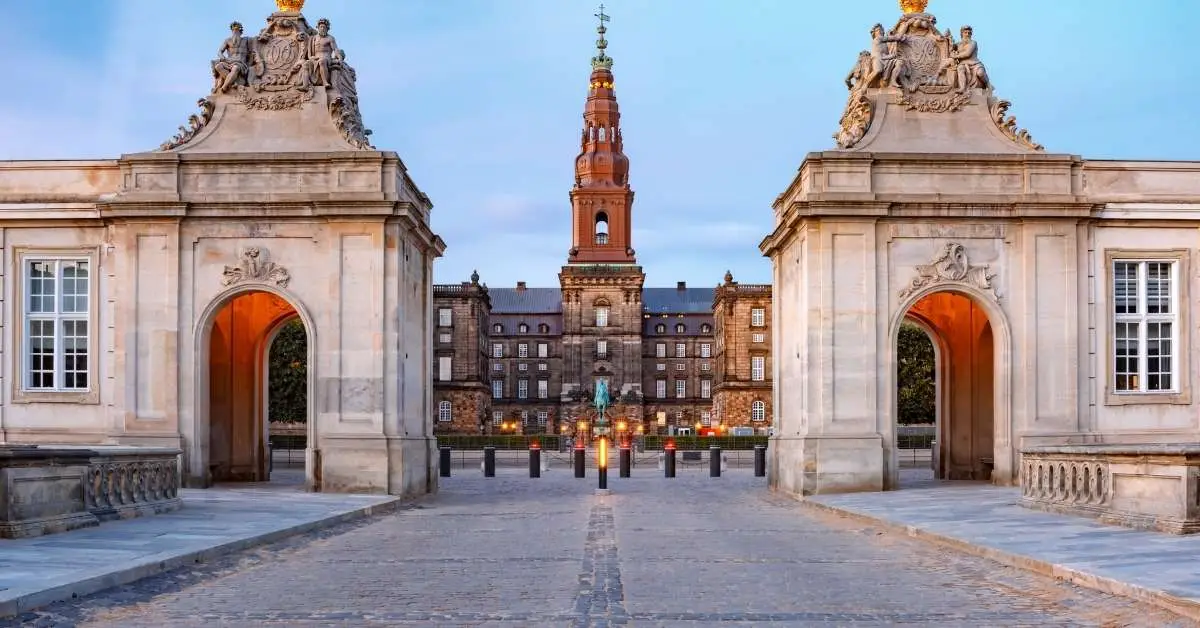
Denmark’s government negotiations have stretched past two and a half weeks, an unusually long stalemate by Danish standards. Red bloc parties, the Moderates, and now Venstre and the Conservatives are being shuffled through meetings at Statsministeriet as royal investigator Mette Frederiksen searches for a coalition that can actually govern.
The talks resumed on April 10 and show no signs of wrapping up quickly. SF, the Radical Left, the Unity List, Alternative, and the Moderates have been meeting regularly. Venstre and the Conservatives, initially brought in for opening rounds, are now being invited back for separate negotiations. As reported by TV2, this shuffle marks a new phase in the process, one that deliberately avoids the old bloc politics that used to define coalition building here.
I have watched Danish governments form before, and this is different. The March 20 election delivered no clear majority to either red or blue. That forces everyone into a holding pattern. Lars Løkke Rasmussen and his Moderates are positioning themselves as kingmakers again, shuttling between meetings and playing the center against both sides. It is the same role they performed when the SVM government formed back in 2022, and it worked then. Whether it works now depends on how much patience the other parties have left.
What Happens When Politics Goes on Pause
Professor Helene Helboe Pedersen warned that these extended negotiations are putting political life on hold, and she is right. Families waiting for inflation relief measures are stuck in limbo. Policy decisions that would normally move through committees are frozen. The longer this drags on, the more ordinary Danes pay the price for what amounts to an extended backroom poker game.
Living here, you notice when government stalls. I have seen it before during past coalition crises, but this feels more uncertain. The old certainties of red versus blue are gone. The SVM government since 2022 has struck 163 political agreements, with 148 of them crossing traditional bloc lines. That is a radical departure from how Danish politics used to work, and it has created a new reality where any party can potentially work with any other.
The Stakes Behind Closed Doors
The real negotiations are not about policy details yet. According to former Løkke adviser Jacob Bruun, the current talks focus on who gets to sit in government and what political risks each party is willing to accept. That means the serious horse trading happens in back channels before anyone walks into Statsministeriet. These meetings are theater. The substance is elsewhere.
For expats like me who have lived through several Danish government formations, this phase always feels opaque. You can follow the comings and goings, but the actual decisions are made in conversations nobody reports. What we know is that Frederiksen is trying to assemble something workable without handing too much power to any single party. The Moderates want influence. The red parties want policy wins. The blue parties want back in after being sidelined.
Why This Matters for Everyone in Denmark
This is not just a political process story. When government formation drags out, real policy gets delayed. Inflation is hitting Danish households hard, and the measures to address it require a functioning government to pass. Reforms on employment, education, and green transition that were promised during the campaign are sitting in folders somewhere while negotiators argue about ministerial posts.
The previous SVM government managed to push through ambitious reforms despite its unusual composition. It raised unemployment benefits to 23,000 kroner per month for some programs and cut 3.5 billion kroner in business subsidies. It worked with DF, SF, the Radical Left, and the Christian Democrats on different packages. That model proved you could govern without bloc politics, but it required precision. Every agreement had to be airtight or parties would interpret terms differently later.
Frederiksen is trying to replicate that model now, but the math is harder this time. She needs enough parties to reach 90 seats in Folketinget, and every addition brings new demands. Moderates want centrist policies. SF and the Unity List want left wing wins. Venstre and the Conservatives want reassurance they will not be shut out permanently. Squaring that circle takes time, but time has costs.
What Comes Next
Nobody knows when these talks will conclude. Danish government formations usually resolve faster than this. The fact that we are still discussing options in late April, more than a month after the election, signals genuine difficulty in finding common ground. Frederiksen has invited parties back in rounds, testing combinations and measuring flexibility. Eventually someone will blink or compromise enough to unlock a deal.
Until then, Denmark operates in a strange limbo. The old government is gone. The new one has not formed. Bureaucrats keep basic functions running, but major decisions wait. For those of us who have made Denmark home, it is a reminder that even stable, well functioning democracies can get stuck. The system works, but sometimes it works slowly. Right now, it is working very slowly indeed.
Sources and References
The Danish Dream: Top 20 Things About Living in Denmark
The Danish Dream: Article 27443
TV2: Hokus pokus: Et politisk trylleshow skaber ny dynamik i regeringsforhandlingerne