Danish experts quoted by TV2 suggest Donald Trump’s return to power may be keeping the world from sliding into a third world war, a claim rooted in his transactional approach to diplomacy. But scratch beneath the surface and the optimism starts to look selective, especially when you consider Denmark’s own frantic rearmament and the lack of serious debate about what that means.
The assertion that Trump is somehow a bulwark against global catastrophe comes from TV2, which interviewed experts who believe his deal-making instincts could defuse tensions in Ukraine and the Middle East. The argument goes that where Biden escalated rhetoric and military support, Trump prefers negotiation and unpredictability. Trump himself has accused Biden of bringing the world closer to a new world war, and some analysts see merit in the claim that a different approach might lower temperatures.
I have lived in Denmark long enough to recognize when optimism about American leadership feels more like wishful thinking than analysis. The experts TV2 spoke with are not alone in their cautious hope. Three specialists told Berlingske earlier this year that we are not on the brink of a third world war because current conflicts remain regional rather than global. They point out that neither Ukraine nor Gaza has triggered the kind of alliance cascade that defined 1914 or 1939. Fair enough. But that does not mean Trump deserves credit for preventing something that was never quite as imminent as the headlines suggested.
Why the War Fears Persist
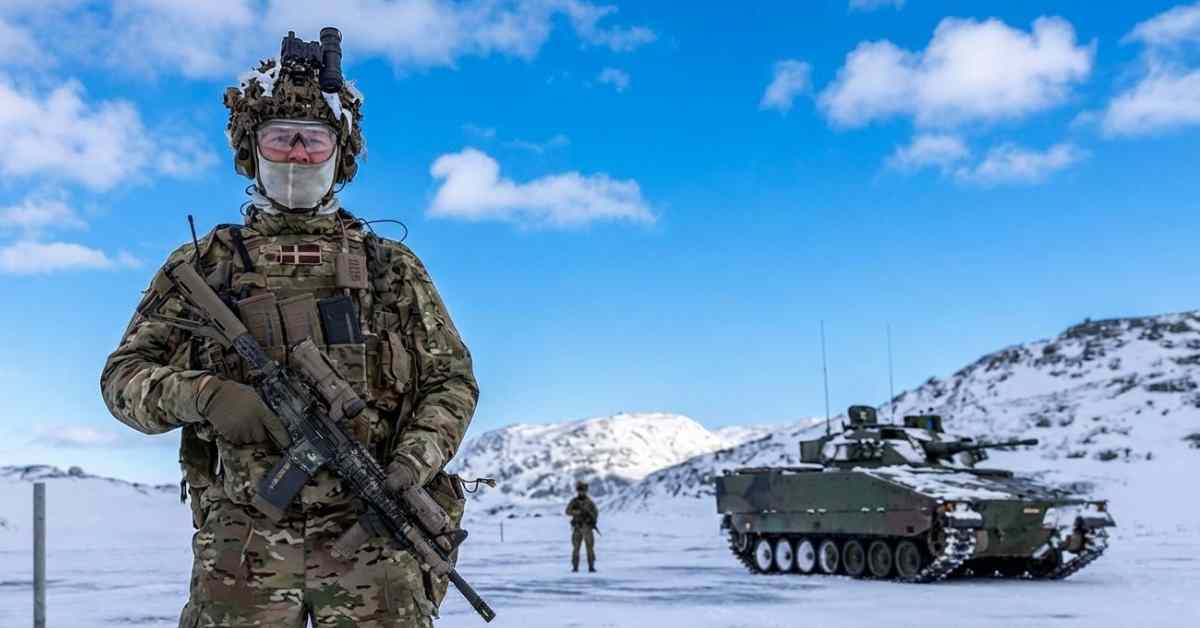
The fear of a third world war stems from real flashpoints. Russia’s invasion of Ukraine in 2022 remains unresolved, with NATO support for Kyiv stoking fears in Moscow. The Middle East is a tangle of proxy conflicts. Taiwan sits under constant threat from Beijing. Denmark, like the rest of Europe, has responded with a massive defense buildup. The government plans to spend hundreds of billions of kroner on rearmament, a figure that should provoke more debate than it has.
Peter Viggo Jakobsen, Denmark’s most quoted defense researcher, has criticized Danish politicians for avoiding critical discussion of this spending spree. As noted by Euroman, Jakobsen argues that while Denmark arms itself for a potential confrontation with Russia, there is almost no public reckoning with what this means or whether it is the right path. That silence is troubling. It suggests that fear, not strategy, is driving policy.
The historical parallels are uncomfortable. During NATO’s 1999 bombing campaign in Yugoslavia, Danish media became part of the war toolkit, framing the conflict in ways that justified military action. According to journalism analysts at the time, diplomacy was sidelined in favor of rhetoric that painted bombing as the only option. Sound familiar? Today’s coverage of Ukraine often follows a similar pattern, with DR noted as more neutral than TV2 in its war reporting.
The Trump Wildcard
So does Trump actually help? The optimistic case is that his transactional instincts could force negotiations that Biden’s more ideological approach would not. Trump does not care about democratic norms in Ukraine or human rights in Gaza. He cares about deals. That amorality might, paradoxically, create openings for ceasefires. If he can pressure Zelensky and Putin into a compromise, or twist Netanyahu’s arm to back off in Gaza, maybe the experts are right.
But the pessimistic case is just as plausible. Trump is unpredictable. His criticism of NATO and his willingness to abandon allies could destabilize Europe further. His previous term showed that he views foreign policy as a real estate transaction, with little regard for long term stability. Denmark and the rest of Europe have spent the last two years preparing for a world where American security guarantees are unreliable. That preparation includes the defense spending Jakobsen warns about.
I am skeptical that Trump is the reason we are not at war. The conflicts in Ukraine and Gaza have not escalated into a world war because no major power wants one. Nuclear deterrence still works. China is cautious. Russia is overstretched. The risk was always overstated, and crediting Trump for not triggering something that was unlikely anyway feels like revisionist history.
What It Means for Denmark
For expats like me, the more pressing question is what Denmark’s rearmament means for the country’s political culture. This is a nation that prides itself on consensus and debate, yet it is spending staggering sums on defense without much public scrutiny. The experts TV2 quoted may be right that Trump is a stabilizing force, but that does not address the deeper issue. Denmark is militarizing at a pace that would have been unthinkable five years ago, and the conversation about why is being avoided.
The Trump angle makes for a compelling headline, but it distracts from the harder questions about European security and Danish policy. If the world is not on the brink of war, why the spending? And if it is, why are we banking on the whims of an unpredictable American president to save us? Neither answer is reassuring.
Sources and References
TV2: Trump bidrager til, at vi ikke er på vej mod tredje verdenskrig, mener eksperter
The Danish Dream: How to Move to Denmark from USA Without Stress
The Danish Dream: Trump’s Greenland Remarks Spark Danish Outrage
The Danish Dream: Why Does Trump Want Greenland? What You Need to Know