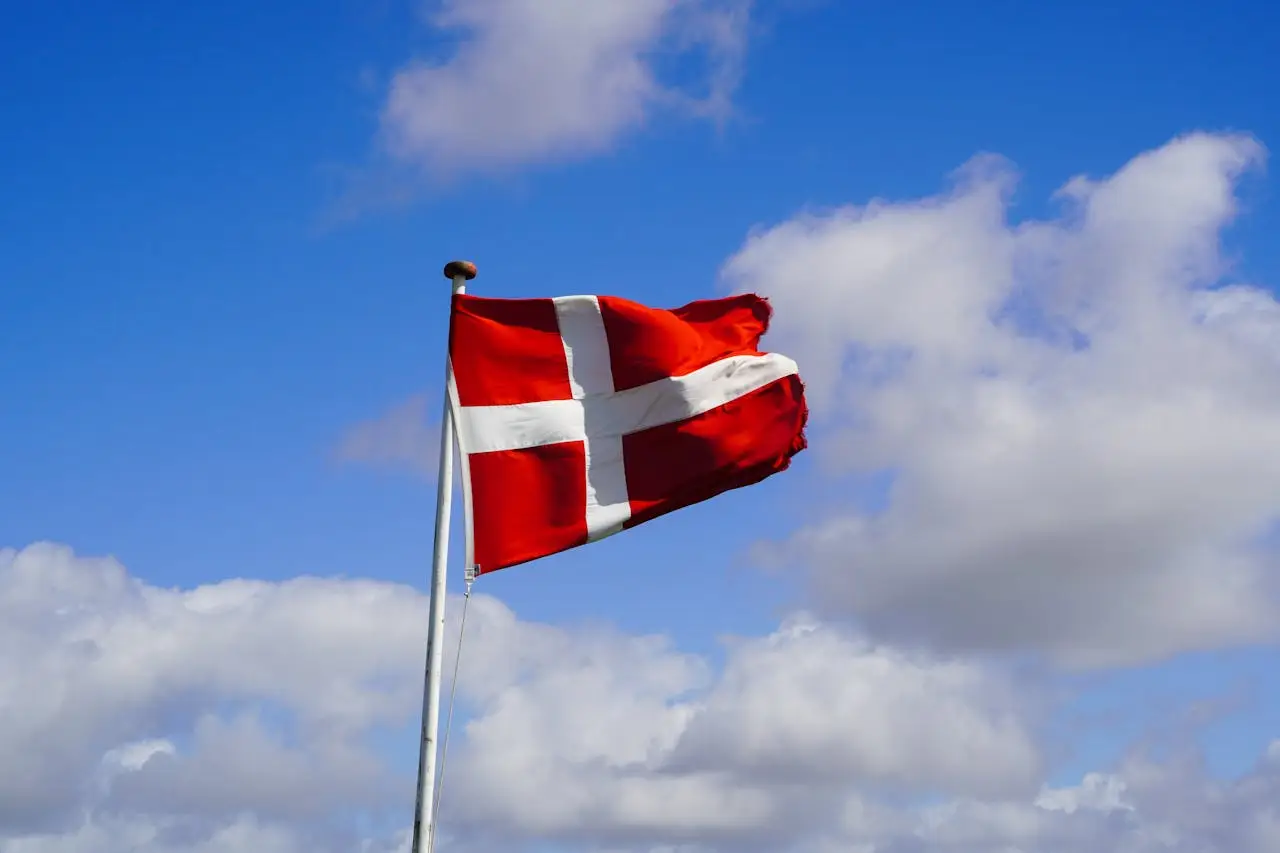
A boy has died at a Danish school, prompting flags to fly at half-mast on April 22, 2026, as administrators give students and staff space to grieve. The cause of death remains unconfirmed, but the response reflects Denmark’s child-centered approach to school tragedies. What it doesn’t reflect is how often Danish schools face this kind of loss, or whether current crisis systems do enough.
The flags went down yesterday. School leadership made it official, telling students and parents they needed time to cry. That’s the phrase they used, according to TV2. The opportunity to cry. It’s a very Danish way to handle something unbearable: acknowledge the grief, give it space, lower the flag.
I’ve lived here long enough to recognize this protocol. Danish schools treat student deaths as community events, not just family tragedies. The flag at half-mast is visible, communal, a gesture that says we see this. Counselors get activated. Classes pause. Parents get notified. It’s efficient, empathetic, and follows guidelines updated as recently as 2025 to include mental health responses.
But here’s what we don’t know. We don’t know how the boy died. We don’t know his age, his name, whether this was an accident or something else. Danish privacy law shields minors even in death, which is defensible but leaves questions hanging. Was this preventable? Is there an investigation? Will parents at other schools hear about systemic changes, or just another flag at half-mast?
How Often This Happens
Denmark loses roughly 50 to 60 children aged 10 to 17 each year to unnatural deaths. About 20 to 30 percent of those deaths involve students, meaning schools handle this scenario a dozen or more times annually. The numbers come from Sundhedsstyrelsen, Denmark’s health authority, based on averages from 2023 to 2025. Leading causes split between accidents at 40 percent, suicides at 30 percent, and sudden illnesses at 20 percent.
Those numbers don’t make headlines unless a single incident breaks through. This one did because someone at the school decided visibility mattered. The flags matter. But so does what comes after. Danish schools must notify local authorities within hours, activate crisis teams, and offer 48 to 72 hours of professional counseling. A 2025 audit found 80 percent of schools compliant with those protocols.
That leaves 20 percent that aren’t. I’d like to know where this school falls on that spectrum, but we’re not getting those details yet. What we do know is that psychologists warn rituals like half-mast flags help only if paired with structured support. Without follow-up, PTSD risk among exposed students hits 15 percent.
What the System Promises
Denmark updated its school crisis regulations in 2022, following parliamentary debates about early intervention gaps. The current framework, governed by a 2020 law with 2025 amendments, requires every school to maintain a crisis plan with access to external psychologists. Schools that fail face fines up to 50,000 Danish kroner. The system emphasizes “hygge”-style communal healing, which sounds soft but translates to something practical: group processing, ritual, shared space for emotion.
It’s different from what I knew growing up in the U.S., where school deaths often got handled privately or became media spectacles depending on the cause. Here, there’s a middle path. Public acknowledgment without exploitation. It works when schools follow through. It doesn’t when they treat the flag as the solution instead of the start.
The Social Democrats lost seats in the March 2026 election, and the new government is eyeing welfare boosts that could indirectly fund more tele-counseling through digital strategies. But that’s future tense. Right now, a boy is dead and a school is grieving, and the broader policy conversation feels distant from the kids who showed up yesterday to see those flags.
What Comes Next
This story will likely fade unless the cause of death turns political. If it’s suicide, expect renewed calls for mental health funding. If it’s an accident, maybe safety audits. If it’s illness, silence. That’s how these stories move in Denmark. The response is humane in the moment, but systemic follow-through depends on how loud the issue becomes.
For expats watching this, especially those with kids in Danish schools, the takeaway is both reassuring and unsettling. Danish schools take grief seriously. They have protocols. They offer support. But like much of Danish society, the system works best when it’s not tested too often. And it gets tested more than you might think, given those 50 to 60 deaths a year.
I hope this school’s crisis team is strong. I hope the counselors stay beyond the required 48 hours. I hope the kids who need to cry get more than a symbolic flag. Because that’s what separates real support from performance: whether anyone is still there when the flag goes back up.
Sources and References
TV2: Skole flager på halv efter drengs dødsfald: De skal have mulighed for at græde
The Danish Dream: Free Danish language education to continue at Studieskolen
The Danish Dream: Somali re-education camps target Danish children
The Danish Dream: Grandkids surprise visits leave grandparents in tears