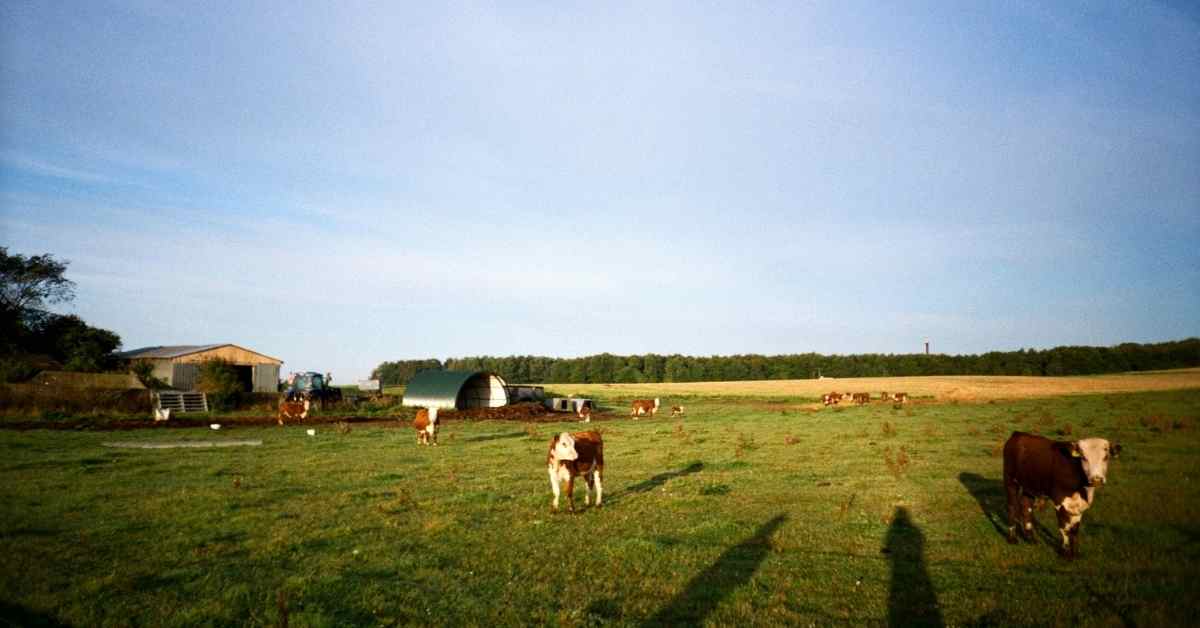
A homeowner in rural Denmark faces a potential loss of 500,000 kroner on her property, reflecting a broader crisis in the country’s rural housing market. In Norddjurs Kommune, one in five homes has been sold at a loss since 2020, with average profits on home sales the lowest in East Jutland.
Grete Carstensen built her dream home in the village of Ålsrode 15 years ago. She and her husband invested approximately 2.7 million kroner in their property. Today, the most recent valuation puts the home at just 2.3 million kroner. That represents a potential loss of around 500,000 kroner if they were forced to sell.
The 68-year-old homeowner does not regret leaving suburban life in Højbjerg for the countryside. However, the fear of being trapped by an unsellable property weighs heavily on her and her neighbors. Meanwhile, across rural Denmark, similar stories are emerging as housing prices stagnate or decline in areas outside major cities.
Rural Housing Market in Crisis
The situation in Ålsrode reflects a troubling pattern across Norddjurs Kommune and similar rural areas. Data shows that since 2020, approximately 20 percent of all homes sold in the municipality have resulted in financial losses for sellers. This rate is among the highest in the region.
Lowest Profits in East Jutland
Norddjurs Kommune records the lowest average profit on home sales in all of East Jutland. The typical homeowner in the area sees a return of only 140,000 kroner when selling their property. By comparison, other rural municipalities like Randers, Syddjurs, Favrskov, and Odder also struggle with high loss rates. However, even these areas manage higher average returns than Norddjurs.
The numbers paint a stark picture of regional inequality in Denmark’s housing market. While urban areas continue to see steady appreciation, rural communities face declining property values and limited buyer interest. This creates a two-tier system where geography determines financial security.
Banking Challenges Add to Burden
Real estate agent Mikkel Thingvad Kristensen, who works in both Nord and Syddjurs municipalities, identifies another obstacle. Banks increasingly view rural properties as high-risk investments. Some potential buyers receive approval for homes in towns like Hornslet but face rejection when seeking loans for properties further north.
This lending discrimination compounds the problem for existing homeowners. Fewer qualified buyers means longer selling periods and lower final prices. Kristensen argues that political intervention is necessary to prevent the emergence of ghost towns as residents abandon struggling rural areas.
What Makes Rural Properties Hard to Sell
Multiple factors contribute to the declining attractiveness of rural Danish homes. Infrastructure gaps, school closures, and limited public transportation all discourage potential buyers from considering countryside properties.
Lack of Essential Services
Grete Carstensen identifies missing infrastructure as a critical problem. Rural areas lack the schools, public transit connections, and community amenities that families need. Additionally, the threat of large-scale energy projects, such as solar panel installations, creates uncertainty about the future character of these communities.
For seven years, Carstensen and her neighbors fought against a proposed 240-hectare solar panel project that threatened to dominate the landscape around Ålsrode. The project was finally cancelled in December 2025. However, the prolonged uncertainty likely depressed property values during that period.
Political Neglect of Rural Areas
Residents feel abandoned by policymakers who focus resources on urban development. Lene Lyder Andersen, Carstensen’s neighbor, expresses frustration at the uphill battle to maintain village life. She notes that residents work hard to preserve their communities but lack the political support necessary for success.
The upcoming election on March 24, 2026, matters deeply to these rural homeowners. Both women say they will prioritize candidates who demonstrate genuine concern for countryside residents and commit to reversing the urban-rural divide. Without intervention, they fear their villages will simply fade away.
The Human Cost of Property Devaluation
Beyond the financial numbers, the rural housing crisis carries significant personal consequences. Families find themselves trapped in homes they cannot sell, unable to relocate for work opportunities or life changes.
When Investment Becomes Trap
Carstensen acknowledges that her bank advisor warned about the risks of rural property investment. Nevertheless, she and her husband felt the quality of life justified the financial gamble. Fortunately, their situation allows them to stay in the home even with its diminished value.
Other families face harsher realities. Some residents desperately need to sell but cannot find buyers at any reasonable price. These households become stuck, unable to move forward with their lives because their largest asset has become a liability. The situation creates real hardship that extends beyond mere numbers on a balance sheet.
The Appeal That Remains
Despite the challenges, rural advocates argue that countryside living offers undeniable benefits. The close-knit community, natural surroundings, and affordable entry prices could attract buyers seeking alternatives to stressful urban life. Carstensen believes that city dwellers would embrace rural areas if they simply experienced the tranquility firsthand.
The challenge lies in overcoming practical barriers like transportation and services. Real estate professionals suggest that active local communities and improved public transit could help reverse negative trends. However, these solutions require sustained investment and political will that has so far proven elusive.
A Personal Take
I find myself torn on this issue because both sides present valid concerns. On one hand, rural homeowners like Grete Carstensen made legitimate life choices based on personal values and reasonable expectations. They invested significant money into properties and communities, expecting at minimum to preserve their capital. The fact that government policies on infrastructure, schools, and energy projects can essentially trap people in unsellable homes feels fundamentally unfair. These are not speculators but families seeking quality of life.
The Limits of Government Intervention
On the other hand, I recognize that not every community can be sustained indefinitely through public subsidy. Denmark faces real fiscal constraints, and concentrating services in population centers creates efficiencies that benefit the broader society. Rural residents did choose to move away from established infrastructure, accepting certain trade-offs. The question becomes how much taxpayers should invest to support lifestyle preferences that may not align with demographic and economic realities.
Finding a Middle Ground
Ultimately, I believe targeted assistance makes sense, particularly for those facing immediate hardship. Programs that help trapped families relocate or that incentivize sustainable rural development could bridge the gap. However, I remain skeptical that wholesale reversal of urban-rural trends is either feasible or wise given Denmark’s limited resources and aging population patterns.
Sources and References
The Danish Dream: Danish Housing Prices Expected to Rise in 2025
The Danish Dream: Young Danes Struggle to Enter Housing Market
The Danish Dream: Denmark Slaps Homeowners with Shocking 100,000 Kroner Fine
The Danish Dream: Buying Property in Denmark for Foreigners
TV2: Husejer står til at miste 500,000 kroner og hun er ikke alene
INA: Greenlandic Government Information
Nalunaarutitit: Greenlandic Legal Database