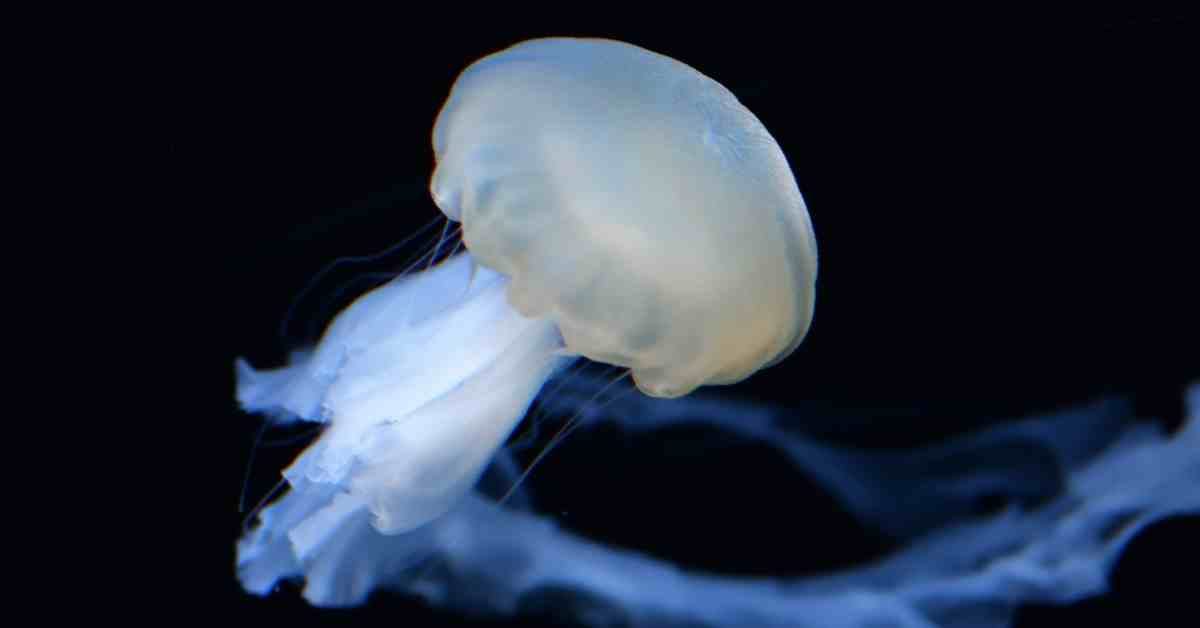
Cold winter weather has dramatically reduced the population of invasive comb jellies in Danish waters, offering temporary relief to the Baltic Sea ecosystem. Scientists say the drop mirrors a similar decline seen during the harsh winter of 2011 to 2012.
Unexpected Benefits of a Cold Winter
Denmark’s unusually cold winter temperatures in early 2026 have brought an unexpected environmental benefit. The invasive American comb jelly, commonly known as the killer jellyfish, has seen its numbers plummet in the Baltic Sea. Scientists from the Technical University of Denmark discovered the sharp decline during their annual research expedition aboard the Dana research vessel.
Research Findings Show Dramatic Drop
Marie Storr-Paulsen, the expedition leader, confirmed that the invasive species has experienced a massive population crash. After years of steady increases, the current numbers represent a significant reversal. The cold winter conditions proved fatal to large numbers of these invasive organisms.
The last time scientists observed such a dramatic decline was during the cold winter of 2011 to 2012. During that period, researchers caught almost none of the jellies during their surveys. The pattern appears to be repeating itself this year.
Impact on Baltic Sea Ecosystem
The comb jelly has been a growing problem in the Baltic Sea for nearly two decades. These creatures consume cod eggs, directly threatening fish populations that local fisheries depend on. Their rapid multiplication has disrupted the marine food chain in Danish waters.
The species arrived in European waters through ballast water from ships traveling from the eastern coast of the United States. Unlike in their native habitat, these jellies have no natural predators in the Baltic Sea. This allows their populations to explode under favorable conditions.
Understanding the Invasive Species
The American comb jelly represents one of the most aggressive invasive species in Danish marine environments. Its biological characteristics make it particularly difficult to control once established. Scientists have been tracking its spread since 2007.
Rapid Reproduction Capabilities
The comb jelly possesses remarkable reproductive abilities that contribute to its invasive success. As a hermaphrodite, each individual contains both male and female reproductive organs. This means a single organism can fertilize itself without needing a mate.
The speed of reproduction is staggering. Under optimal conditions, the population can grow from one individual to 10,000 individuals in just four weeks. This explosive growth rate explains why mild winters have led to such dramatic population increases in recent years.
Historical Presence in Danish Waters
DTU researchers first encountered the killer jellyfish in the Baltic Sea in 2007. Since then, the species has become increasingly prevalent. In 2023, scientists documented the highest numbers ever recorded in the region.
The recent mild winters created ideal conditions for population growth. Warmer water temperatures allowed more individuals to survive through the winter months. Each surviving jelly could then trigger exponential population growth come spring.
Broader Marine Ecosystem Challenges
The comb jelly problem represents just one of several marine challenges facing Danish waters. The Baltic Sea ecosystem faces multiple stressors that compound the impact of invasive species. Understanding these interconnected issues provides important context.
Related Marine Health Issues
Danish waters face several environmental pressures beyond invasive species. Oxygen levels in some areas have reached concerning lows in recent years. These conditions affect all marine life, from fish to bottom-dwelling organisms.
Additionally, marine mammals face their own set of challenges. Population pressures from multiple sources create a complex environmental picture. The interaction between invasive species and native populations adds another layer of complexity.
Climate Variability Effects
The recent population crash demonstrates how climate variability can produce unexpected outcomes. While cold winters temporarily suppress the comb jelly population, long-term warming trends favor their expansion. Scientists expect the species to rebound quickly once water temperatures rise again.
The pattern creates a cyclical problem. Mild winters allow exponential population growth. Cold winters provide temporary relief. However, the overall trend toward warmer temperatures suggests the invasive species will remain a persistent challenge.
A Personal Take
I find it fascinating how nature can deliver unexpected solutions to environmental problems. The cold winter acting as a natural control mechanism for the comb jelly population shows the complex ways climate affects ecosystems. However, I worry that celebrating this temporary reprieve might distract from the larger issue. The fundamental problem remains that these invasive species will bounce back as soon as conditions improve.
Considering Long Term Solutions
I believe we need to move beyond hoping for harsh winters to control invasive species. While this natural population crash provides breathing room for cod populations and the broader ecosystem, it does not address the root causes. Denmark and other Baltic Sea nations should invest in research on biological controls or other management strategies that do not depend on unpredictable weather patterns.
Balancing Environmental Realities
At the same time, I recognize the value in acknowledging positive environmental news, even when temporary. Understanding what conditions suppress these invasive populations helps scientists develop better predictive models. Perhaps this knowledge can inform future management strategies that artificially recreate some of the conditions that made this winter so effective at reducing comb jelly numbers.
Sources and References
The Danish Dream: Found in Danish Waters: Toxic Pacific Jellyfish
The Danish Dream: Seals in Denmark Face Alarming Decline
The Danish Dream: Denmark Faces Worst Ocean Oxygen Crisis in Decades
The Danish Dream: Physical Health in Denmark for Foreigners
DR: Vinterkulden har gjort det onde ved dræbergoplen
DR: DR