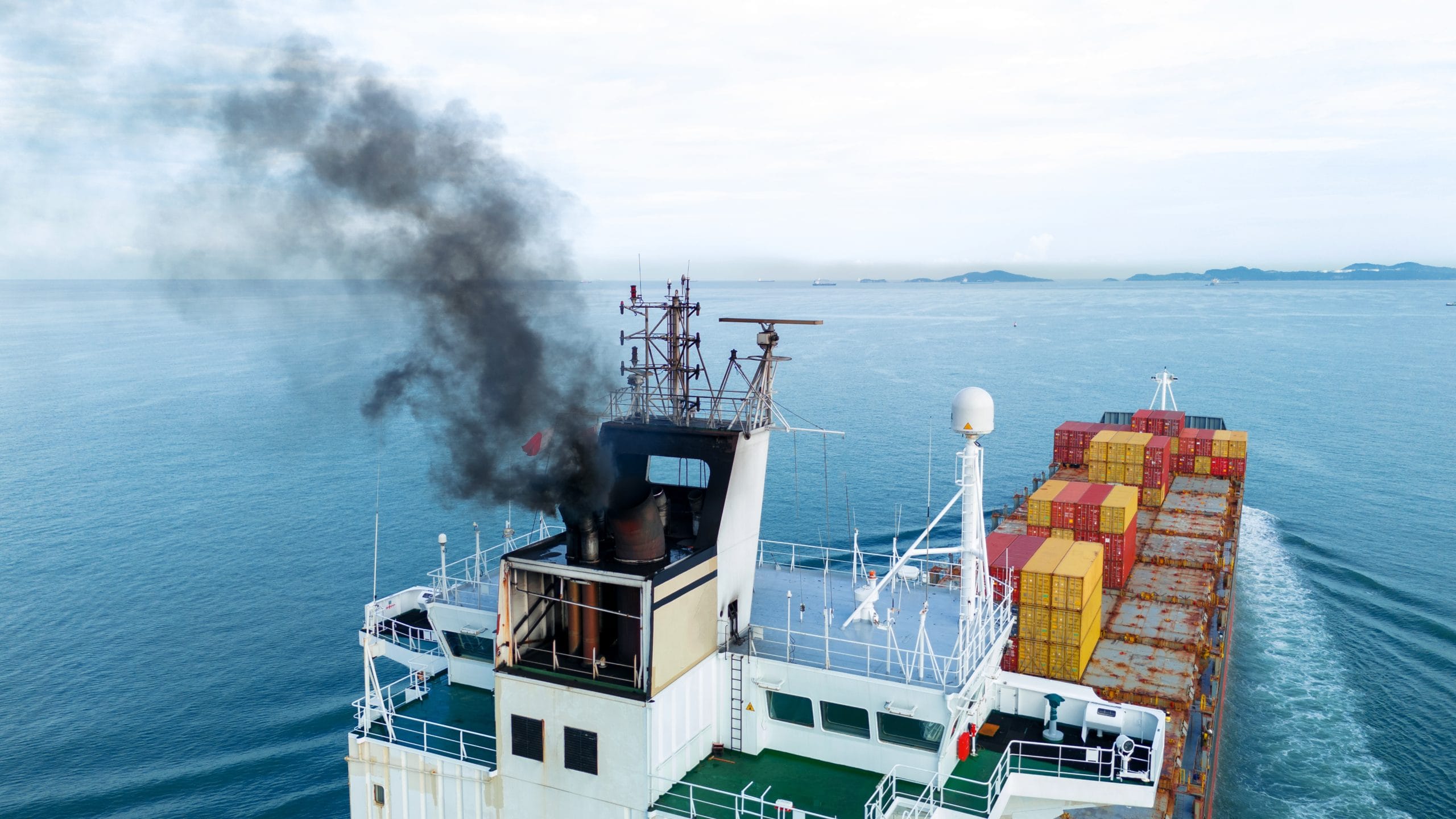
Sweden has detained the Russian captain of an oil tanker suspected of operating under false documents as part of Moscow’s shadow fleet, marking the second such seizure in a week. The move highlights growing Nordic efforts to crack down on vessels evading sanctions that fund Russia’s war in Ukraine.
Swedish Authorities Take Action Against Shadow Fleet
Swedish prosecutors confirmed that a 55-year-old Russian captain remains in custody following his arrest on Friday. The detention typically lasts 14 days while authorities conduct further questioning. The captain appeared in a court in Ystad after Swedish coast guard members boarded his vessel using helicopters while it sailed through Swedish territorial waters.
The Sea Owl One Interception
The Sea Owl One, a 228-meter tanker, was sailing under what authorities believed to be a fraudulent Comoran flag. Coast guard officers intercepted the vessel south of Trelleborg on Thursday evening as it traveled from Santos, Brazil, to Primorsk on Russia’s Baltic coast. The ship appears on the EU’s sanctions list and has a documented history of transporting oil between Russia and Brazil in recent years.
Swedish authorities raised suspicions when they discovered the vessel was not properly registered in the Comoros ship registry. This represents a breach of international maritime law. Officers’ concerns intensified when the captain presented documents that appeared inauthentic during the boarding inspection.
International Crew and Diplomatic Response
The Russian embassy in Sweden confirmed that 10 of the 24 sailors aboard were Russian nationals, including the captain. The remaining 14 crew members came from Indonesia. Embassy officials stated they are monitoring the situation carefully and providing consular support to the detained captain. Meanwhile, they emphasized that the vessel was not flying Russia’s national flag.
Pattern of Shadow Fleet Seizures Across Europe
The detention comes just days after Swedish coast guard took control of another suspected shadow fleet vessel. This marks an escalating pattern of enforcement across Nordic and European waters.
The Caffa Cargo Ship Case
On March 6, authorities seized the Caffa, a Guinean-flagged cargo ship traveling from Casablanca, Morocco, to St Petersburg. Swedish officials suspected the vessel of carrying stolen Ukrainian grain. The ship now sits anchored off the Trelleborg coast alongside other detained vessels. Authorities continue investigating both the grain cargo and the ship’s registration documents.
French Enforcement Actions
France has also intensified its crackdown on suspected shadow fleet tankers. In January, authorities seized the Grinch in the Mediterranean Sea. Several months earlier, in October, French officials took control of the Boracay in the Atlantic Ocean. These seizures demonstrate coordinated European efforts to disrupt Russia’s sanction-busting maritime network.
Understanding Russia’s Shadow Fleet Operations
Moscow has developed an extensive network of tankers to circumvent Western sanctions imposed after the 2022 invasion of Ukraine. These vessels represent a crucial revenue stream financing ongoing military operations.
How Shadow Fleet Vessels Operate
The ships typically feature obscure ownership structures and questionable insurance arrangements. Many sail under flags of convenience from countries with limited oversight capabilities. This makes tracking and enforcement challenging for Western authorities. Vessels often change names, flags, and registration details to avoid detection.
Beyond simple sanctions evasion, these ships have been accused of more sophisticated operations. Authorities believe some vessels engage in location spoofing, deliberately misrepresenting their positions to maritime tracking systems. Reports also suggest involvement in undersea cable sabotage and drone launch operations throughout European waters.
Economic Impact of Oil Export Sanctions
Western nations targeted Russia’s oil exports beginning in 2022 as a primary weapon against Moscow’s war funding. These sanctions aim to cut revenue flowing to the Kremlin’s military budget. However, the shadow fleet allows Russia to continue selling oil to willing buyers, particularly in Asia and other non-aligned markets. The effectiveness of sanctions depends heavily on enforcement actions like Sweden’s recent detentions.
Nordic Security Concerns and Baltic Sea Tensions
Sweden’s aggressive enforcement reflects broader security anxieties in the Baltic region. The country joined NATO recently, heightening its security posture toward Russian activities.
Strategic Importance of Baltic Shipping Routes
The Baltic Sea serves as a critical maritime corridor for both legitimate commerce and potentially illicit activities. Russian vessels regularly transit these waters, creating friction with Nordic states. Sweden’s geographic position gives it control over key waterways leading to Russian ports. This strategic advantage enables authorities to monitor and intercept suspicious vessels effectively.
Coordination Among Baltic Nations
Nordic countries increasingly share intelligence and coordinate enforcement operations. Denmark, Finland, and the Baltic states work closely with Sweden to track shadow fleet movements. This cooperation extends to broader infrastructure protection efforts following suspected sabotage incidents in the region. The collective approach strengthens deterrence against sanction violations and other hostile maritime activities.
Legal Framework and International Law
The detention raises complex questions about maritime law enforcement and jurisdictional authority. Sweden bases its actions on international conventions and domestic legislation.
Ship Registration Requirements
International maritime law requires vessels to maintain legitimate registration with a recognized flag state. The Comoros, like several small nations, operates a flag of convenience registry. However, authorities can challenge registrations they believe are fraudulent or improperly maintained. Swedish prosecutors argue the Sea Owl One failed to meet these basic legal requirements.
Document Forgery Charges
The captain faces specific charges related to using forged documents. This represents a criminal offense under Swedish law regardless of the vessel’s flag status. Prosecutors must prove the documents were intentionally falsified rather than merely outdated or improperly filed. The case could set precedents for how European nations prosecute shadow fleet operators.
Implications for Russian Maritime Operations
These seizures may signal a shift in how aggressively Western nations enforce sanctions. Russia faces growing difficulties maintaining its shadow fleet operations.
Potential Impact on Oil Revenue
If more vessels are detained or European enforcement intensifies, Russia could see reduced oil export capacity. This would directly impact revenue available for military spending. However, Moscow has proven adaptable, continuously recruiting new vessels and finding alternative routes. The long-term effectiveness depends on sustained international cooperation.
Crew and Operational Challenges
Detaining captains and crews creates recruitment problems for shadow fleet operators. Sailors may hesitate to serve on vessels facing potential seizure. Insurance costs also rise as risks increase. These practical challenges could prove more effective than sanctions themselves in disrupting operations.
A Personal Take
I find Sweden’s aggressive stance both necessary and potentially precedent-setting for European security policy. The shadow fleet represents more than simple sanctions evasion; it funds a war that threatens continental stability while potentially enabling sabotage operations against critical infrastructure. Detaining captains rather than just seizing ships sends a powerful message about personal accountability. However, I worry about the broader maritime law implications and whether these actions could be used to justify future overreach.
Balancing Enforcement and International Norms
The challenge lies in maintaining international shipping norms while adapting to hybrid warfare realities. If every nation begins aggressively boarding vessels in territorial waters based on document suspicions, legitimate commerce could suffer. Yet doing nothing allows Russia to operate with impunity. I believe Sweden has struck a reasonable balance by focusing on clear violations like forged documents and false registrations, but continuous legal scrutiny remains essential to prevent abuse.
Sources and References
BBC: Sweden detains captain of Russian shadow fleet ship
The Danish Dream: Russia-linked hackers hit Denmark’s infrastructure hard
The Danish Dream: Denmark and Greenland confront U.S. together at summit
The Danish Dream: Denmark boosts Arctic defenses amid U.S. tensions