A local waterworks chairman in Denmark is calling for immediate national pesticide bans to protect drinking water, as new analysis shows the government’s landmark nature agreement will shield just six percent of vulnerable groundwater areas in his municipality. Meanwhile, budget cuts have eliminated pesticide monitoring for 2026 despite nearly half of tested groundwater exceeding safety limits.
Bent Lollesgaard stands at the edge of a farmland field in Brobyværk, pointing toward small squares on a map. These tiny patches represent the only areas that will gain protection under the Green Tripartite Agreement, Denmark’s historic 2024 nature deal. For the chairman of Brobyværk Andelsvandværk, a local waterworks cooperative on Fyn, the picture is deeply troubling.
The Green Tripartite is supposed to safeguard Denmark’s drinking water reserves. Yet in Faaborg-Midtfyn Kommune, where Brobyværk is located, the agreement will eliminate pesticide use on barely six percent of the areas where groundwater is most vulnerable. That leaves vast stretches of agricultural land above critical water sources unprotected.
A Growing Crisis Beneath the Surface
Across Denmark, pesticide contamination has become an unavoidable reality. More than half of all tested boreholes now contain traces of pesticides. Recent government reports reveal that 87 percent of borehole samples taken in 2024 were contaminated, and nearly 90 percent of water heading toward drinking water reserves is affected.
Decades of Failure
A report from Miljøministeriet in early 2026 declared groundwater protection a complete failure. Voluntary agreements with the agricultural sector have proven ineffective at stopping pesticides from leaching into aquifers. For 27 years, Denmark has worked to protect vulnerable areas. In that time, just 1.5 percent of the total area designated for protection has actually been safeguarded.
The report recommends national spray bans in vulnerable recharge and extraction zones. Such bans would cost far less than installing water purification systems, which carry significantly higher price tags than the economic losses farmers would face from restrictions.
Monitoring Cut Amid Contamination
Despite escalating contamination levels, Denmark is eliminating pesticide monitoring in 2026 due to budget constraints. The decision by Styrelsen for Grøn Arealomstilling og Vandmiljø announced on February 11 shifts monitoring from every two years to every six years. This means no testing will occur in 2026, with a planned resumption in 2027 pending budget availability.
Environmental groups have reacted with outrage. Walter Brüsch from Danmarks Naturfredningsforening called the cut extremely surprising and deeply irresponsible. He argues it risks violating the EU Water Framework Directive, which requires ongoing assessment of water body status. By skipping tests, authorities can avoid finding problems and therefore avoid political pressure to act, Brüsch noted.
Political Debate and Local Desperation
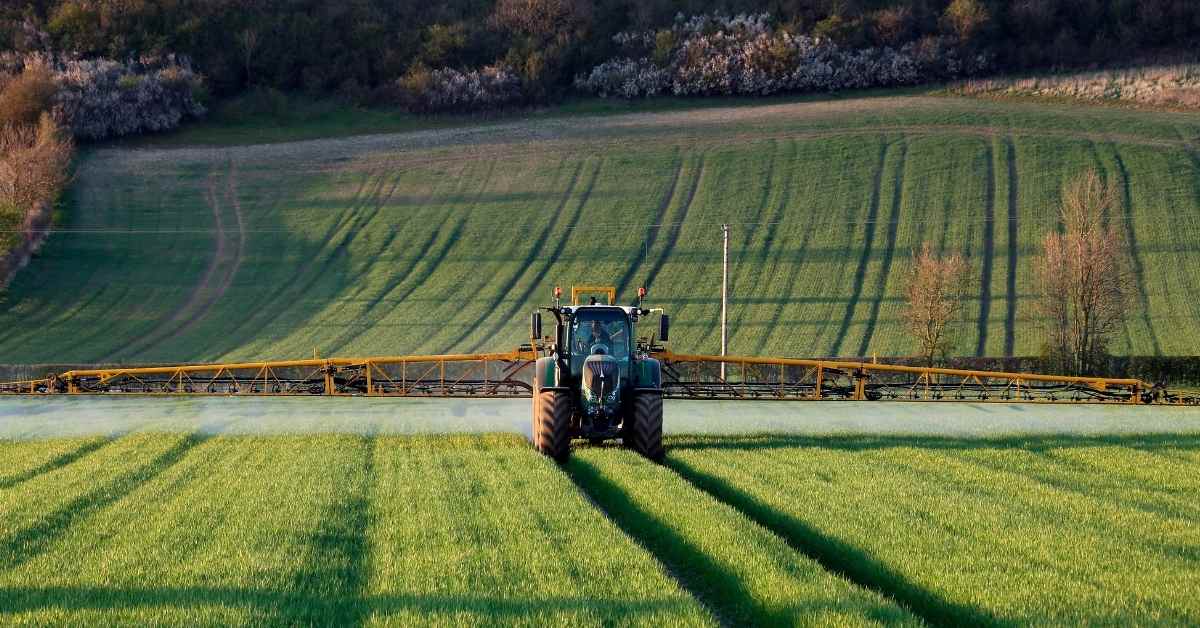
For Lollesgaard, the stakes are immediate and personal. He wants politicians to implement a national spray ban covering 160,000 hectares, roughly four percent of Denmark’s total area. Standing near agricultural fields that sit directly above local drinking water sources, he points out land stretching a kilometer in each direction that urgently needs protection.
Time Is Running Out
Every day of delay allows pesticides to sink deeper into the soil, Lollesgaard warns. Farmers continue to apply chemicals legally on fields above vulnerable aquifers. The contamination grows worse with each passing season. For him, action is needed today, not tomorrow.
His frustration reflects a broader pattern across Denmark. Waterworks operators see the Green Tripartite as insufficient on its own. While the agreement protects some areas, it leaves enormous gaps. Local spray bans, which Venstre proposes as an alternative to national restrictions, must be issued by individual municipalities. This decentralized approach could drag out protection efforts for years.
Venstre’s Position
Venstre has ruled out supporting a national pesticide ban. Instead, the party emphasizes combining the Green Tripartite with local spray bans enacted at the municipal level. Stephanie Lose, Venstre’s deputy leader and economy minister, acknowledges the tripartite alone cannot protect all drinking water. She argues local bans offer a more targeted approach.
However, waterworks leaders worry this strategy will take too long. Municipalities must navigate local politics, landowner negotiations, and bureaucratic processes. Meanwhile, pesticides continue seeping downward.
Industry Pushes for Action
Facing mounting contamination, Danske Vandværker and Danva have proposed reducing pesticide impact on drinking water by 20 percent over the next decade. This concrete target represents an industry-led effort to set benchmarks while advocating for preventive measures upstream.
New Testing Requirements
Miljøstyrelsen is adding 1,2,4-triazol to mandatory testing lists, expanding the range of substances utilities must monitor. The agency has also convened a drikkevandspanel meeting with waterworks representatives to address recent pesticide findings. Vicedirektør Mads Leth Petersen confirmed the meeting as part of efforts to tackle the crisis.
These steps show recognition of the problem’s severity. Yet without consistent monitoring in 2026, tracking progress toward the 20 percent reduction goal becomes nearly impossible. Utilities are left investing in expensive treatment systems while calling for policy changes that would reduce contamination at the source.
Protected Zones Gain Support
Environmental organizations and some political parties back the creation of grundvandsparker, protected groundwater zones where pesticide spraying would be banned outright. Socialdemokratiet, SF, and Radikale Venstre support this approach. These parks would shield the most vulnerable recharge areas, preventing contamination before it starts.
Brüsch argues that such zones align with EU requirements and protect citizens’ fundamental right to clean water. He frames the issue as one of generational responsibility, noting that decisions made today will determine water quality for decades.

Brobyværk’s Stark Reality
Analysis from Danske Vandværker challenges the narrative that the Green Tripartite will solve Denmark’s water problems. The numbers tell a sobering story. In Faaborg-Midtfyn Kommune, six percent protection leaves 94 percent of vulnerable areas exposed.
A Nationwide Pattern
Brobyværk is not unique. Similar patterns appear across Denmark wherever intensive agriculture overlaps with critical groundwater zones. The tripartite’s limited geographic scope reflects compromises struck during negotiations. Agricultural interests, economic considerations, and political feasibility shaped the final agreement.
For residents relying on local waterworks, these compromises feel inadequate. They watch fields being sprayed above their aquifers while politicians debate frameworks and timelines. The disconnect between policy discussions and ground-level reality grows wider.
Budget Constraints Versus Health
Miljøminister Magnus Heunicke has stated that his ministry is working across government to find solutions. However, budget constraints forced the monitoring cuts. This creates a paradox where authorities acknowledge a crisis but reduce their ability to measure it.
Critics view this as deliberate obscuring of inconvenient data. If testing reveals no new contamination, pressure to act diminishes. Meanwhile, the contamination continues undetected and unaddressed.
A Personal Take
I understand the waterworks’ desperation for immediate national action. When nearly 90 percent of water flowing toward reserves is contaminated, and monitoring is being cut, the case for swift, comprehensive bans seems strong. Perhaps the real failure is waiting 27 years to protect just 1.5 percent of vulnerable areas, forcing this crisis point where neither gradual nor radical solutions feel adequate. It shouldn’t have come to this in the first place.
Sources and References
The Danish Dream: Denmark Bans PFAS Pesticides to Protect Groundwater
The Danish Dream: Denmark Faces Water Crisis Opposition Revolts Against Government
The Danish Dream: Experts Silenced as Denmark Drafts Nature Law
The Danish Dream: Energy Electricity in Denmark for Foreigners
DR: Vandværksformand har ét stort ønske til politikerne hver dag vi venter trækker pesticiderne
DN: Trods høje pesticidfund overvågningen spares væk
Altinget: Vandværker vil mindske belastningen fra pesticider med 20 procent
Avisen: Miljøstyrelsen kalder vandværker til møde om pesticider