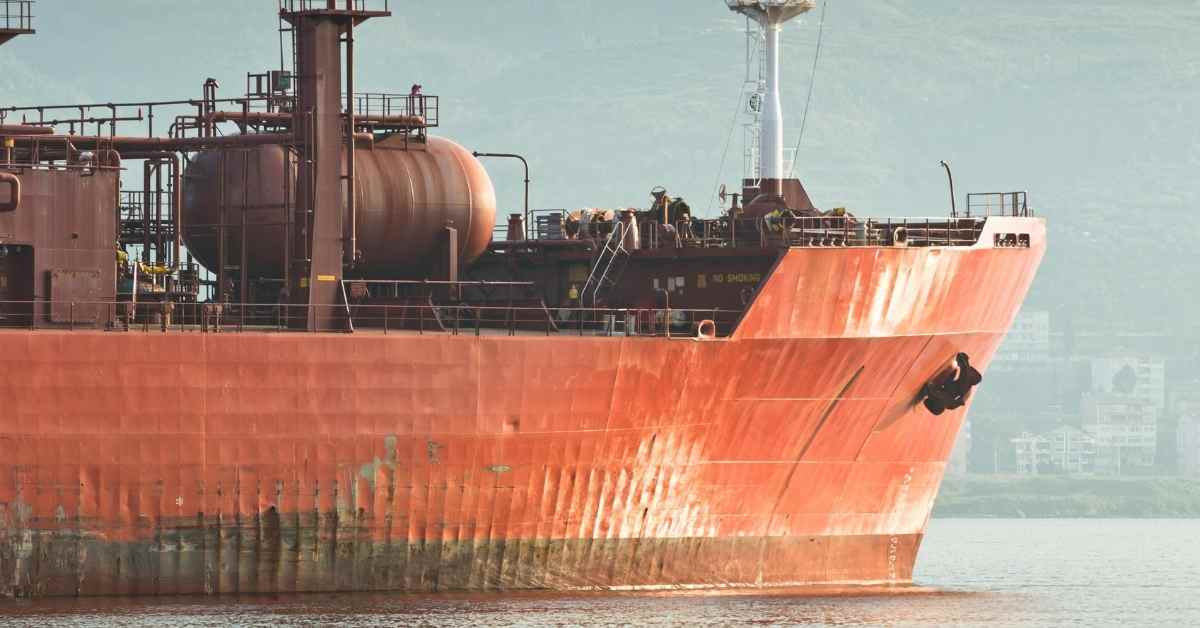
Oil prices have surged past 90 dollars per barrel as Iran’s blockade of the Strait of Hormuz chokes off one fifth of the world’s oil supply. The escalating conflict between Iran and Israel and the United States is driving fears of prolonged supply disruptions, with insurers refusing to cover ships attempting the passage and more than 150 vessels now anchored in safe waters.
Oil Price Surge Reflects Deepening Crisis
The price of Brent crude oil has climbed sharply in recent days, crossing the 90 dollar mark after Iran effectively sealed the Strait of Hormuz to shipping traffic. The narrow waterway between Iran and the United Arab Emirates normally handles around 20 percent of global oil exports and roughly 10 percent of liquefied natural gas shipments. Since Friday, oil prices have jumped approximately 20 percent, while gas prices have spiked more than 60 percent.
Rapid Escalation Following Military Strikes
The surge follows coordinated attacks by Israel and the United States on Iranian targets late last month. According to Mikael Olai Milhøi, chief strategist at Sterna Capital Partners, the blockade has created immediate pressure on global energy markets. Oil briefly touched 87 dollars per barrel on Friday, the highest level since the conflict began, and has continued climbing as uncertainty about the duration of the crisis grows.
Qatar’s energy minister warned the Financial Times that prices could reach 150 dollars per barrel within weeks if tanker traffic remains blocked. Meanwhile, European natural gas futures have risen around 62 percent in a single week, reaching approximately 51.7 euros per megawatt hour. Gas prices are proving more sensitive than oil because transporting gas is more complex and expensive than moving crude.
Insurance Markets Freeze Shipping
The immediate threat to vessels passing through the strait has made securing insurance coverage nearly impossible. Iran’s Revolutionary Guard has threatened to set fire to any ship attempting the passage, using fast attack boats, drones, and missiles. The combination of expensive ships, valuable cargoes, and long construction times for replacement vessels has left shipping companies unwilling to take the risk without proper coverage.
Even though the United States has sunk several Iranian naval vessels, the threat remains credible enough to keep tankers anchored. According to recent reports, more than 150 large vessels, mostly oil tankers, are now waiting in safe waters away from the strait. The physical bottleneck is already creating logistical challenges that could quickly evolve into genuine supply shortages.
Strategic Chokepoint and Regional Consequences
The Strait of Hormuz has long been recognized as one of the world’s most critical energy chokepoints. Its closure disrupts not only Iranian exports but also shipments from Saudi Arabia, the UAE, Kuwait, and Iraq. The blockade represents Iran’s attempt to impose maximum economic pain on the United States and Israel by strangling global oil supplies.
Iran Seeks Leverage Through Energy Disruption
Milhøi notes that Iran has every incentive to make the conflict as costly as possible for its adversaries. The country has also attempted attacks on oil facilities in other nations, aiming to cripple production across the region. Iran’s own oil output, estimated at around 3.3 million barrels per day, is expected to fall in the short term due to the ongoing military operations.
The strategic calculus for Iran centers on using energy as a weapon. By threatening the flow of oil and gas through Hormuz, Tehran hopes to pressure Washington and Jerusalem into halting their campaign. However, the tactic carries risks for Iran itself, as prolonged closure could destabilize global markets in ways that complicate any future negotiations.
Storage Capacity Becoming Critical Concern
If the blockade continues for several weeks, Arab oil producing states will face a severe storage problem. Without the ability to ship crude to international markets, these countries will run out of space to store newly extracted oil. Once storage capacity is exhausted, producers will be forced to shut down wells, a process that takes considerable time to reverse.
Milhøi emphasizes that restarting production after a forced shutdown is far from instantaneous. The longer the blockade lasts, the more difficult it becomes to restore normal output levels. This dynamic adds further upward pressure on prices and increases the risk of a sustained supply crunch even after shipping routes reopen.
Limited Spare Capacity Among Producers
OPEC plus countries have announced plans to increase production by approximately 206,000 barrels per day starting in April. The move is intended to reassure markets and prevent prices from spiraling out of control. However, the additional volume falls short of fully offsetting the disruption caused by the Hormuz closure and reduced Iranian output.
Historically, blockades at Hormuz have been brief, but the current conflict is unprecedented in scale. The combined military campaign by Israel and the United States, including strikes on Iranian nuclear facilities and leadership targets, has created a level of uncertainty that makes predicting the crisis timeline nearly impossible.
Broader Economic and Financial Impacts
The conflict is reverberating through global financial markets, reducing investor appetite for risk and driving capital toward safer assets. Asian stock markets fell between one and 1.5 percent in the immediate aftermath of the blockade, while European and American equity futures also weakened. At the same time, the US dollar has strengthened as uncertainty grows.
Energy and Defense Sectors Expected to Benefit
Analysts at Carnegie Investment Bank note that the energy sector is positioned to gain from rising oil and gas prices. Companies involved in extraction, refining, and transportation stand to see improved earnings as long as prices remain elevated. Similarly, defense and weapons manufacturers are likely to benefit from increased geopolitical tensions and rising military expenditures.
In contrast, energy intensive industries and consumer facing businesses may suffer. Higher fuel costs translate directly into increased expenses for transportation, manufacturing, and logistics. For households, the pain will be felt at the pump, with gasoline prices expected to climb if the blockade extends beyond a few weeks.
Precious Metals Show Mixed Response
Contrary to historical patterns, traditional safe haven assets like gold and silver have not rallied strongly during this crisis. Gold prices have actually declined nearly four percent this week, even as oil surged almost 20 percent. The unusual divergence suggests that investors are responding to a complex mix of factors, including dollar strength and interest rate expectations, rather than following a simple flight to safety playbook.
Silver has also come under pressure despite the geopolitical turmoil. Market analysts point out that the relationship between energy shocks and precious metals is not always straightforward. In this case, expectations about central bank policy and currency movements appear to be outweighing the instinct to seek refuge in gold.
Danish Pension Funds Monitor Developments Closely
Danish asset managers and pension funds are watching the situation carefully due to their significant exposure to global equity and energy markets. Firms like Sydinvest and Formuepleje have communicated with clients, advising them to stay steady and keep a close eye on oil prices and the energy sector. For Danish savers, the crisis presents both risks in the form of short term volatility and potential opportunities in energy related investments.
The direct impact on Danish consumers will depend largely on how long prices remain elevated. Denmark imports most of its oil and gas, making the country vulnerable to global price swings. However, the country’s progress in renewable energy and electric vehicle adoption may provide some buffer against the most extreme scenarios.
European Vulnerability and Energy Security
The blockade has rekindled concerns across Europe about dependence on fossil fuel imports from unstable regions. The crisis echoes the energy shock that followed Russia’s invasion of Ukraine, when natural gas supplies were disrupted and prices soared. European leaders, including representatives from the EU and the United Nations, have called for de escalation and diplomatic solutions.
Memories of Recent Energy Crisis Return
For Europe, the Hormuz blockade is a stark reminder of how quickly energy security can deteriorate. Even though oil and gas prices had fallen from the peaks seen after the Ukraine invasion, the new crisis demonstrates that the transition away from fossil fuels remains incomplete. European countries still rely heavily on imported oil and gas, leaving them exposed to supply shocks originating thousands of kilometers away.
The European natural gas market has been particularly hard hit, with prices surging approximately 60 percent in a matter of days. Much of Qatar’s LNG exports to Europe pass through the Strait of Hormuz, meaning the blockade directly threatens European gas supplies. The spike in gas prices adds inflationary pressure and complicates the European Central Bank’s efforts to manage monetary policy.
Calls for Accelerated Green Transition
The crisis has reignited debate over the pace of Europe’s shift to renewable energy. Advocates argue that conflicts like the current one highlight the urgent need to reduce reliance on oil and gas by investing in wind, solar, and other clean energy sources. Denmark, already a leader in offshore wind power, is positioned to play a key role in this transition.
Critics counter that even ambitious green energy plans cannot eliminate the need for oil in the near term. Transportation and heavy industry remain heavily dependent on fossil fuels, and the infrastructure for alternatives is still being built. The disagreement centers on the timeline for achieving energy independence and whether current policies are moving fast enough to prevent future shocks.
Political Uncertainty and Conflict Duration
The length and intensity of the conflict remain highly uncertain, shaped by complex political calculations in Washington, Jerusalem, and Tehran. US President Donald Trump has indicated that bombardments could continue for four to five weeks, and he has expressed interest in influencing the selection of Iran’s next leader. These statements suggest that regime change may be a key objective, adding another layer of unpredictability.
Regime Change as Strategic Goal
Danish financial analysts point out that a change in Iran’s government could eventually lead to greater integration with the global economy and higher oil exports. In the longer term, such an outcome might increase supply and put downward pressure on prices. However, the near term picture is dominated by instability, leadership struggles, and the risk of further escalation.
The death of Ayatollah Ali Khamenei and other senior Iranian officials has created a political vacuum in Tehran. The resulting power struggle adds to market nervousness and makes it difficult to predict how Iran will respond to continued attacks. Whether the United States and Israel are prepared to commit ground forces or limit themselves to air strikes remains an open question.
Market Struggle to Price Unknowns
Investors and analysts face enormous challenges in assessing the crisis because so many variables remain unresolved. What are the true objectives of the Israeli and American campaign? How long can Iran sustain its blockade? Will other major oil producers be drawn into the conflict? These questions have no clear answers, and the resulting uncertainty is reflected in volatile trading and wide ranging forecasts.
Some experts believe the most extreme scenarios, such as oil reaching 150 dollars per barrel for an extended period, are unlikely. They argue that OPEC plus has spare capacity and that the global economy is currently strong enough to absorb temporary shocks. Others warn that if the blockade continues for weeks and storage capacity runs out, the consequences could be severe.
Outlook and Scenarios
For now, the crisis remains manageable, but the risk of escalation looms large. If shipping resumes relatively quickly, oil prices could fall almost as fast as they rose. However, if the blockade drags on, the impact on prices, inflation, and economic growth will become more pronounced.
Short Term Volatility Expected
Milhøi acknowledges that no one can predict with confidence how long the blockade will last. Historical precedents suggest that closures of the Strait of Hormuz are typically brief, but this conflict is different in scope and intensity. The involvement of the United States and Israel, combined with Iran’s determination to resist, creates a situation without clear historical parallels.
In the short term, markets are likely to remain volatile as traders react to daily developments. Each new military action, diplomatic statement, or change in shipping patterns will move prices. For consumers and businesses, this volatility translates into uncertainty about costs and planning difficulties.
Risk of Longer Term Supply Disruption
If the conflict extends beyond a few weeks, the risk of a more serious supply disruption increases significantly. Arab producers will face storage constraints, forcing them to curtail output. Restarting those wells will take time, meaning that even a resolution of the blockade would not immediately restore normal supply levels.
Additionally, damage to oil infrastructure from military strikes or sabotage could have lasting effects. Rebuilding refineries, pipelines, and export terminals is a slow and expensive process. The longer the fighting continues, the greater the likelihood of such damage occurring.
Global Economic Consequences
Danish financial institutions assess the risk of a severe global economic shock as relatively low, but not negligible. Nykredit estimates that oil prices would need to rise by roughly 50 percent and stay elevated for an extended period to trigger a major downturn. While that scenario is possible, it is not considered the most likely outcome.
Nonetheless, even more modest price increases can have measurable effects. Higher fuel costs reduce consumer purchasing power, increase business expenses, and contribute to inflation. For Denmark and Europe, already sensitive to energy price swings, the current crisis adds unwelcome pressure at a time when economic growth is fragile.
Sources and References
The Danish Dream: Oil Prices Explode as Hormuz Shipping Halts
The Danish Dream: Iran Linked Teen Terrorists Attack Embassy in Denmark
The Danish Dream: Europe Unites to Harness 100 Gigawatts of Wind
The Danish Dream: Energy Electricity in Denmark for Foreigners
DR: Krigen i Mellemøsten får olieprisen til at stige nærmer sig 90 dollar en tønde
Nykredit: Krig i Mellemøsten Olieprisen ryger i vejret
Carnegie: Krig i Mellemøsten presser oliepriserne op og investor appetit på risiko ned
Energiwatch: Olie og Gas article