A Copenhagen doctor has stopped issuing medical certificates for disability parking permits after a 21 percent surge in new applications in one year. The doctor says people without real disabilities are seeking the permits, including a growing group of patients with psychological conditions citing parking stress as justification.
Explosive Growth in Disability Parking Permits
Denmark issued 27,415 new disability parking permits in 2025, compared to 22,584 in 2024. The increase represents a 21 percent jump in just 12 months. The country now has 140,000 active permits in circulation.
The blue disability parking card allows holders to park close to entrances, park for free in major cities, and extend parking time limits. To obtain the card, applicants need a medical certificate from a doctor confirming they suffer from conditions like multiple sclerosis, COPD, or other illnesses that make parking or walking long distances difficult.
New Patient Groups Seeking Permits
General practitioner Steffen Peter Bjerring runs a clinic in Copenhagen’s Nordvest neighborhood. He reports a surge in patients requesting the permits, including many he believes do not have genuine disabilities. Some patients seek permits for temporary conditions like knee injuries that will heal within weeks.
A completely new category has emerged recently. Patients with psychological conditions now make up a growing share of applications. These include people diagnosed with ADHD or anxiety disorders.
Stress as Medical Justification
Patients with psychological diagnoses describe the stress involved in driving around searching for available parking spaces. However, doctors do not make the final decision on permit eligibility. Applicants must submit their request to Danish Disability Organizations, which evaluates both the medical certificate and the patient’s description of their parking needs.
The approval process involves individual case assessment. Approximately 10 percent of applications get rejected, according to the organization.
Broader Context of Disability Support
In November 2025, the Danish government launched a new disability policy action plan. The plan aims to get 15,000 more people with disabilities into employment by 2030, representing a 2.5 percent increase over five years. The initiative includes expanded job placement programs and additional study support for students receiving disability benefits.
The surge in parking permits fits within a wider pattern of increased demand for disability related services. In 2024, Danish municipalities received 2,030 applications for financial support to purchase disability vehicles. This marked a five percent increase from 2023 and the first rise since 2020.
Social and Housing Minister Sophie Hæstorp Andersen described the target as sensible. The plan allocates 26 million kroner for 2025 through 2028, plus an additional 3.4 million kroner for 2026 through 2029. Despite broad political support, critics argue the goal lacks ambition.
Criticism of Resource Allocation
Disability advocacy groups have expressed frustration with government spending priorities. In August 2025, Lev’s national chairperson Anni Sørensen called the 2026 budget proposal shameful. She noted that while the disability sector received no new funding, money was allocated for reduced taxes on candy and electricity.
One in five young people aged 16 to 29 with disabilities are neither in education nor employment. This compares to eight percent among those without disabilities. The gap persists despite record high overall employment rates in Danish healthcare and social systems.
Who Qualifies for Disability Parking
Danish Disability Organizations evaluates permit applications based on specific criteria. The website states permits are intended for people with severely reduced walking distance or disabilities that make normal parking conditions difficult. Applicants may also qualify if they need extra space to enter or exit vehicles.
Psychological Conditions as Grounds
Director Katrine Mandrup Tang of Danish Disability Organizations explains that psychological disabilities can sometimes justify parking permits. Walking long distances across public parking facilities may prove extremely difficult for certain individuals with mental health conditions. The permit system exists to help people with disabilities live normal lives, including shopping and collecting children.
However, no diagnosis automatically guarantees approval. Each application undergoes individual review. Tang notes that diagnosis alone does not trigger permit issuance.
Increased Urban Parking Pressure
Tang identifies demographic changes and urban parking scarcity as key factors behind rising permit numbers. Denmark has more elderly residents and more people with reduced mobility. Meanwhile, parking availability in major cities has tightened considerably.
People who previously managed without permits now face difficulties due to increased competition for spaces. This creates pressure even on those with legitimate but less severe mobility challenges.
Impact on Wheelchair Users
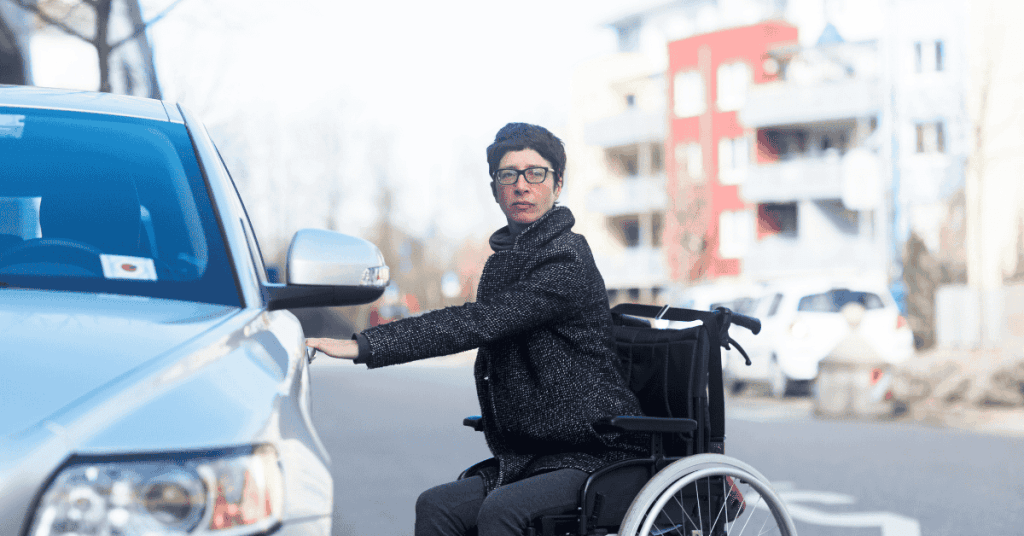
Helene Axelsen lives in Tingbjerg on the outskirts of Copenhagen. She uses a wheelchair and depends on disability parking spaces for her large adapted vehicle, which she enters through a side door. She received her permit decades ago when only people with disability vehicles qualified.
Axelsen now rarely drives into Copenhagen because she cannot find parking. She knows in advance that spaces will be unavailable. The expansion of eligibility criteria frustrates her deeply.
She questions whether the number of disabled people has actually increased or whether permits have simply become more common. Axelsen knows several people who obtained permits before knee replacement surgeries. Meanwhile, the number of designated parking spaces in major cities has grown only minimally.
Limited Space Availability
The mismatch between permit holders and available spaces creates real barriers. Axelsen describes feeling blocked from accessing the city center. What was once possible has become nearly impossible as competition for spaces intensifies.
Her situation illustrates the tension between expanding eligibility and maintaining adequate access for those with the most severe mobility limitations. The system appears to be straining under demand that has outpaced infrastructure development.
Doctor Takes Drastic Action
Steffen Peter Bjerring initially tried raising the fee for medical certificates from 500 to 1,500 kroner. The price increase had no effect. One patient directly told him that compared to regular parking fees in Copenhagen, the certificate cost was negligible.
Clinic Stops Issuing Certificates
The doctor eventually decided to stop issuing disability parking certificates entirely. A notice now appears on a screen in the waiting room informing patients of the policy. Bjerring does not consider this poor patient service. He argues the opposite is true.
Many applicants are not genuinely ill. Processing their requests consumes time he could spend with patients who have serious medical needs. By refusing certificate requests, he can better serve those with real health problems.
Criticism of Approval Process
Bjerring believes the evaluation process at Danish Disability Organizations lacks sufficient rigor. Some people receive permits without real disabilities and without genuine need. The doctor points to the approval system as the source of the problem rather than individual doctors writing certificates.
Transport Minister Thomas Danielsen responded to the concerns in writing. He stated he trusts Danish Disability Organizations to properly assess who needs permits. The minister declined to suggest changes to the current system or eligibility criteria.
Sources and References
The Danish Dream: Danish Healthcare Explained for Tourists & Expats
The Danish Dream: Health Insurance in Denmark for Foreigners
TV2: Eksplosiv stigning i handicapkort – nu har læge fået nok
Ministeriet for Social, Bolig og Ældre: Ny handicappolitisk handlingsplan
DK Nyt: To procent flere personer med handicap skal i beskæftigelse
Viden om Handicap: Ny handicappolitisk handlingsplan
LEV: Beskæmmende at handicapområdet ikke prioriteres
NB Social: Første stigning i fem år
Danmarks Statistik: Handicapområdet
Danske Handicaporganisationer: Handlingsplan 2026-29
Folketinget: Bilag om handicappolitik